Tyres and wheels for BMW M5, wheel size on БМВ М5
Подбор шин и дисков по автомобилю БМВ М5

Другие модели BMW
BMW 1 (E81, E82, E87, E88), BMW 1 (F20, F21), BMW 1 Series, BMW 2 (F22), BMW 2 Series, BMW 2 Series Active Tourer, BMW 2 Series Gran Coupe, BMW 2 Series Gran Tourer, BMW 2 Series Tourer, BMW 3 (E46), BMW 3 (E90, E91, E92, E93), BMW 3 (F30, F31), BMW 3 GT (F34), BMW 3 Series, BMW 3 Series Gran Turismo, BMW 4 (F32, F33), BMW 4 Series, BMW 4 Series Gran Coupe, BMW 5 (E39), BMW 5 (E60, E61), BMW 5 (F10, F11), BMW 5 GT (F07), BMW 5 Series, BMW 5 Series Gran Turismo, BMW 6 (E63, E64), BMW 6 (F12, F13), BMW 6 Gran Coupe (F06), BMW 6 Series, BMW 6 Series Gran Turismo, BMW 7 (E38), BMW 7 (E65, E66), BMW 7 (F01, F02, F03, F04), BMW 7 Series, BMW 8 (E31), BMW 8-series, BMW E9, BMW i3, BMW i4, BMW i5, BMW i7, BMW i8, BMW iX, BMW iX1, BMW iX2, BMW iX3, BMW L7, BMW M, BMW M Coupe, BMW M Roadster, BMW M1, BMW M2, BMW M3, BMW M4, BMW M5, BMW M6, BMW M8, BMW X1, BMW X1 (E84), BMW X2, BMW X3, BMW X3 (E83), BMW X3 (F25), BMW X3 M, BMW X4, BMW X4 (F26), BMW X4 M, BMW X5, BMW X5 (E53), BMW X5 (E70), BMW X5 (F15), BMW X5 M, BMW X6, BMW X6 (E71, E72), BMW X6 M, BMW X7, BMW XM, BMW Z3, BMW Z3 (E36), BMW Z4, BMW Z4 (E85), BMW Z4 (E89), BMW Z4 Roadster, BMW Z8, BMW Z8 (E52),Параметры дисков на БМВ М5
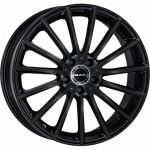
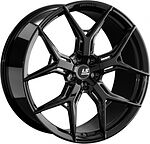
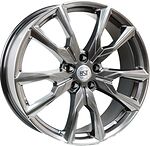
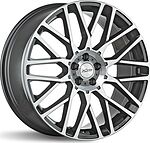
- PCD 5x112 диаметром от 19 до 20, шириной от 9.5 до 10.5 и профилем от ET26 до ET28
- PCD 5x120 диаметром от 17 до 19, шириной от 8 до 10 и профилем от ET12 до ET34как у BMW Alpina B10

Tires on BMW M5
- Tyre size from R16 to R21, width from 225 to 295 and profile from 30 to 50V.
- Minimum tyre size: 225/40 R19, maximum: 295/35 R21
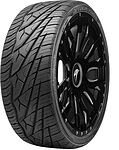






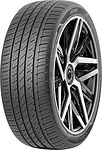

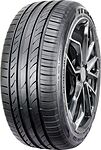
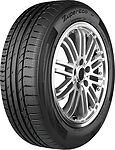
Tires on BMW M5 (БМВ)
The BMW M5 is a high-performance variant of the popular 5 Series sedan and wagon line. It has been in production since 1984, becoming one of the iconic passenger cars of the German brand and the industry as a whole.Model E28
The history of the model began in the fall of 1984, when the production of the E28 sedan started. The car was based on the 535i, with several mechanical components replaced. First and foremost, this was the engine - a modified inline six-cylinder gasoline engine M88 with a volume of 3.5 liters, producing 286 horsepower and 340 Nm of torque. Initially, all cars were assembled manually at BMW Motorsport in Munich. Due to high demand, production continued until the fall of 1988. At that time, it had been almost 10 months since the last standard E28 sedan was produced.Model E34
In 1988, a new generation of the sedan debuted. It differed from its predecessor in the body of the current 5 Series and the engine. This was again an inline six-cylinder gasoline engine, representing a modified version of the previous one, with a lower compression ratio, increased displacement, a two-row timing chain, and the same layout with an aluminum "head" and six separate throttle valves. The engine produced 311 horsepower and 360 Nm of torque. The engine was most effective in the "medium" speed range, maintaining it up to 6,900 rpm. In late 1991, the car underwent significant mechanical updates. In particular, a new version of the engine with a displacement increased to 3.8 liters appeared, with a 2-mass flywheel, a modified fuel injection system with individual ignition coils. This allowed increasing the power to 340 horsepower. Additionally, the chassis featured electronically controlled hydraulic shock absorbers with variable stiffness.Model E39
The next generation of the model was introduced in 1998. It differed from its predecessor in the power unit. For the first time in the car's history, a V8 engine with a 90-degree cylinder angle was used. This was a 4-liter engine with an aluminum-silicon alloy "head", which significantly facilitated its major repairs. Another feature of this engine was the use of separate throttle valves on each cylinder, as well as a "double" VANOS phase control system. This power unit produced 400 horsepower and 500 Nm of torque. The chassis was modified accordingly, with aluminum arms used at the front and a "multi-link" at the rear for the first time in the brand's history.Model E60/E61
In 2004, the German brand introduced an updated model. This time, it was a line of versions, including a sedan, wagon, coupe, and convertible. As with the previous model, the car again changed its power unit. This was a 5-liter V10 gasoline engine, which was the first time in the industry's history that such an engine was used in a mass-produced sedan. The distinguishing feature of this power unit was that it was not technically related to the standard engines of the brand from passenger cars. The engine "came" from road racing, which negatively affected both its reliability and maintainability. Another unique feature of the car was the use of an automated sequential transmission, which shifted between 7 gears in 65-250 milliseconds.Model F10
The next iteration of the car debuted in the fall of 2011. The difference from the predecessor was the engine - a 4.4-liter V8 gasoline engine with two turbochargers, which was taken from the high-performance version of the X5 crossover. The transmission also changed. Most versions were equipped with a 7-speed "robot" from Getrag. Despite the 560 horsepower, the car retained the classic layout with a front-mounted engine and rear-wheel drive. An active differential was now used, which extremely flexibly changed the torque distribution to each wheel.Model F90
The difficulties in handling due to rear-wheel drive were corrected in the next generation model, introduced in 2017. The car first received an all-wheel-drive system in its history. However, despite this, it retained the "signature" handling features, as most of the torque was still delivered to the rear axle. When the stability control system was turned off, it was possible to completely disconnect the front wheels from the engine. The power unit remained the same but underwent significant modernization, becoming more powerful - 600 horsepower. It worked in "pair" with an 8-speed automatic transmission with a hydrotransformer.Model G90
In 2024, the German brand introduced a sedan and wagon of a new generation. With an appearance almost identical to the current 5 Series, the car is technically close to the XM crossover, using the same engine and transmission, as well as wheels and tires. This specialized product can be found in the "Mosavtoshina" online store.Advantages of selecting tires for the BMW M5 on our website:
- our assortment offers a wide range of special tires designed for use in high-performance mid-size passenger cars of German brands;- the possibility of purchasing wheel disks from the standard equipment of this car, as well as their analogs from leading world manufacturers;
- automated selection using the built-in search system, which requires a minimum of technical parameters to work fully;
- our managers will help you find and choose the most suitable wheels and tires for your BMW sports sedan of any model year.