Tyres and wheels for BMW M3, wheel size on БМВ М3
Подбор шин и дисков по автомобилю БМВ М3

Другие модели BMW
BMW 1 (E81, E82, E87, E88), BMW 1 (F20, F21), BMW 1 Series, BMW 2 (F22), BMW 2 Series, BMW 2 Series Active Tourer, BMW 2 Series Gran Coupe, BMW 2 Series Gran Tourer, BMW 2 Series Tourer, BMW 3 (E46), BMW 3 (E90, E91, E92, E93), BMW 3 (F30, F31), BMW 3 GT (F34), BMW 3 Series, BMW 3 Series Gran Turismo, BMW 4 (F32, F33), BMW 4 Series, BMW 4 Series Gran Coupe, BMW 5 (E39), BMW 5 (E60, E61), BMW 5 (F10, F11), BMW 5 GT (F07), BMW 5 Series, BMW 5 Series Gran Turismo, BMW 6 (E63, E64), BMW 6 (F12, F13), BMW 6 Gran Coupe (F06), BMW 6 Series, BMW 6 Series Gran Turismo, BMW 7 (E38), BMW 7 (E65, E66), BMW 7 (F01, F02, F03, F04), BMW 7 Series, BMW 8 (E31), BMW 8-series, BMW E9, BMW i3, BMW i4, BMW i5, BMW i7, BMW i8, BMW iX, BMW iX1, BMW iX2, BMW iX3, BMW L7, BMW M, BMW M Coupe, BMW M Roadster, BMW M1, BMW M2, BMW M3, BMW M4, BMW M5, BMW M6, BMW M8, BMW X1, BMW X1 (E84), BMW X2, BMW X3, BMW X3 (E83), BMW X3 (F25), BMW X3 M, BMW X4, BMW X4 (F26), BMW X4 M, BMW X5, BMW X5 (E53), BMW X5 (E70), BMW X5 (F15), BMW X5 M, BMW X6, BMW X6 (E71, E72), BMW X6 M, BMW X7, BMW XM, BMW Z3, BMW Z3 (E36), BMW Z4, BMW Z4 (E85), BMW Z4 (E89), BMW Z4 Roadster, BMW Z8, BMW Z8 (E52),Параметры дисков на БМВ М3
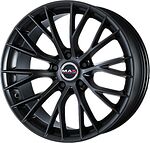
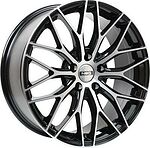
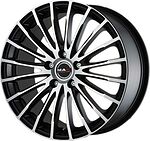
- PCD 5x112 диаметром от 18 до 20, шириной от 9.5 до 10.5 и профилем от ET20 до ET20
- PCD 5x120 диаметром от 17 до 20, шириной от 7.5 до 10 и профилем от ET23 до ET41как у Tesla Model S

Tires on BMW M3
- Tyre size from R15 to R21, width from 205 to 295 and profile from 25 to 55
- Minimum tyre size: 205/55 R15, maximum: 295/25 R21
Наиболее популярные модели шин
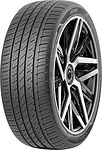



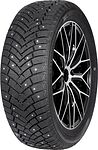
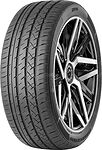
Tires on BMW M3 (БМВ)
The BMW M3 is a high-performance version of the compact 3 Series model. The car has been produced since 1986, initially in the coupe body, and then in other versions, including a station wagon, which debuted in the lineup in 2020.First Iteration
The car, which debuted in 1986, was based on the 2-door 3 Series coupe with the E30 index. The appearance of this model was due to the desire of the German brand to participate in road-ring racing, according to the rules of which it was required to release at least 5,000 cars. Externally, the coupe differed from the serial model by the presence of additional plastic body kit, C-shaped rear strut and a wing on the trunk lid. The rear glass was made flat, which also had a positive effect on the body's aerodynamics. Among other features, it is worth noting the trunk lid made of fiberglass, which was located 40 mm higher for better aerodynamics and reduced lift force at high speeds. All these changes allowed to reduce the aerodynamic drag coefficient from 0.38 to 0.33. In technical terms, the car differed from the 5-speed manual transmission from Getrag with close-ratio gear ratios and a "direct" 5th gear, as well as a differential with increased friction on the drive axle. Under the hood was a inline 4-cylinder S14 gasoline engine, created using components from the 6-cylinder S38 engine and the 4-cylinder M10, which developed 195 horsepower at peak loads.Second Generation
The car of the next iteration appeared in the fall of 1992, based on the "three" with the E36 index. For the first two years of mass production, it was available only in the coupe body, and then a convertible and a 4-door sedan were added to the lineup. The "move" to a new platform made it possible to offer a version with an inline 6-cylinder 3-liter engine with the S50 index from the start of sales, which was used in the model until the end of the 2010s, having undergone multiple modernization cycles. Initially, this power unit was combined with a 5-speed "mechanics", and after the facelift in the fall of 1995 - with a 6-speed one, simultaneously increasing the working volume to 3.2 liters. In 1996, the German brand offered a modification with an automated SMG gearbox with the same number of gears.Third Generation
In the fall of 2000, the German brand presented a car of the next iteration. It was created on the basis of the "three" with the E46 index. In addition to the changed external appearance, the model differed from its predecessor by a modified engine, which received the S54 index, an automated SMG transmission of the second generation, and a significantly updated chassis. As a result, the car accelerated to "hundred" in 5.2 seconds and was able to pass turns with a lateral acceleration of 0.89G.Fourth Generation
The car of the next iteration appeared in 2007. For the first time in the history of the model, a gasoline V8 was used in it, which developed 420 horsepower and 400 Nm of torque. Moreover, this power unit reached its maximum power values when the crankshaft rotated at a speed of 8400 rpm. Another important innovation was the appearance of a 7-speed robotic gearbox, which was offered as an option, as an alternative to the 6-speed "mechanics". As it turned out later, the model was one of the most successful, as it stood out against the background of other generations with its versatility, offering a lot of "sport", while maintaining comfort and convenience in everyday use.Fifth Generation
The car of the fifth iteration with the F80 index debuted in 2014. The key difference from the predecessor, in addition to the external appearance and the platform from the current 3-series at that time, was the return to inline 6-cylinder engines. This was a modified version of the S50, developed in the early 1990s, which was equipped with two turbochargers, thanks to which its power was 420 horsepower, and the torque was 550 Nm. With such a power unit, the car turned out to be faster than its predecessor with a V8, accelerating to "hundred" in just 3.9 seconds.Sixth Generation
In 2020, the model of the 6th iteration debuted. In technical terms, the car stood out from its predecessor with the presence in the lineup of modifications with a all-wheel drive system, which was offered for the most equipped versions of the Competition. Another difference was the use of a modified inline "six", the power of which was brought to 510 horsepower. The equipment of the car differed from the standard "three" by the presence of an adaptive suspension with electronically controlled shock absorbers, headlights with laser-luminescent far light, adaptive "cruise", electric adjustments of the front seats and heating of the steering wheel. Even the basic versions are capable of accelerating to "hundred" in less than 4 seconds, which should be taken into account when selecting tires for them. Such specialized wheel products are widely represented in the online store "Mosavtoshina".Advantages of selecting tires for the BMW M3 on our website:
- the automated selection system on our website allows you to find suitable options for this car in just a few minutes, regardless of the version of its execution;- experienced specialists will help you choose the right disks and wheels for this model, taking into account all its specific technical features;
- our assortment always includes specialized tires for the most "charged" versions of compact sedans and coupes of German brands;
- the possibility of purchasing wheel disks from the factory equipment of this model of various years of release