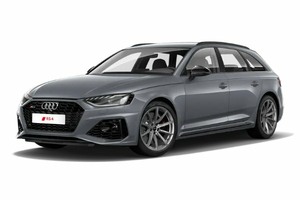
Tyres and wheels for Audi RS4, wheel size on Ауди РС4
Подбор шин и дисков по автомобилю Ауди РС4
Другие модели Audi
Audi 100, Audi 200, Audi 4000, Audi 5+5, Audi 5000, Audi 80, Audi 90, Audi A1, Audi A1 allstreet, Audi A1 citycarver, Audi A2, Audi A3, Audi A3 allstreet, Audi A3L, Audi A4, Audi A4 Allroad, Audi A4L, Audi A5, Audi A5L, Audi A6, Audi A6 Allroad, Audi A6 e-tron, Audi A6L, Audi A7, Audi A7L, Audi A8, Audi A8L, Audi Allroad, Audi Cabriolet, Audi Coupe, Audi e-tron, Audi e-tron GT, Audi e-tron S, Audi e-tron S Sportback, Audi e-tron Sportback, Audi Q2, Audi Q2L, Audi Q2L e-tron, Audi Q3, Audi Q3 Sportback, Audi Q4, Audi Q4 Sportback, Audi Q5, Audi Q5 e-tron, Audi Q5 Sportback, Audi Q5L, Audi Q5L Sportback, Audi Q6, Audi Q6 e-tron, Audi Q6 Sportback e-tron, Audi Q6L e-tron, Audi Q6L Sportback e-tron, Audi Q7, Audi Q8, Audi Q8 e-tron, Audi Q8 Sportback e-tron, Audi R8, Audi RS e-tron GT, Audi RS Q3, Audi RS Q3 Sportback, Audi RS Q8, Audi RS2, Audi RS3, Audi RS4, Audi RS5, Audi RS6, Audi RS7, Audi S e-tron GT, Audi S1, Audi S2, Audi S3, Audi S4, Audi S5, Audi S6, Audi S6 e-tron, Audi S7, Audi S8, Audi S8L, Audi SQ2, Audi SQ5, Audi SQ5 Sportback, Audi SQ6 e-tron, Audi SQ6 Sportback e-tron, Audi SQ7, Audi SQ8, Audi SQ8 e-tron, Audi SQ8 Sportback e-tron, Audi TT, Audi TT RS, Audi TTS, Audi V8,Параметры дисков на Ауди РС4


Tires on Audi RS4
- Tyre size from R18 to R20, width from 225 to 275 and profile from 30 to 40.
- Minimum tyre size: 225/40 R18, maximum: 275/30 R20







Tires on Audi RS4 (Ауди)
Unlike the 5-door Audi RS4 station wagon, the Audi RS4 was present in the production line of the German brand for a very short time - from 2006 to 2008. The car was positioned as an extremely "charged" version of the standard A4, differing from it exclusively with very high dynamic properties and sporty-tuned handling.Design and Equipment
The car, presented at the end of 2005, belonged to the second generation of the RS line. It was created on the B7 platform from the standard A4 sedan. The key difference from it was the more widespread use of aluminum, from which the wings and hood were made. These elements, along with bumpers, due to the changed design, were the main visual features that distinguished the car in the stream. These changes had practical significance, the sedan used a modified chassis with an extended track of the front and rear wheels, and the increased air intakes in the front bumper led to additional engine cooling radiators. In turn, the headlights were equipped with a system for rotating reflective elements, allowing the light beam to be deflected synchronously with the movement of the steering wheel.The interior of the car also had differences from the standard sedan, but not so significant. First of all, this is the interior trim with decorative elements made of carbon fiber, aluminum pedals, as well as a multimedia system with a lap time measurement function. It is also worth noting the very rich equipment even in the basic versions, which offered rear parking sensors, a Bose acoustic system with 10 speakers with a power of 190 W and active noise cancellation.
Technical Features
In addition to the above-mentioned features, the car's chassis was significantly different from other components. First of all, this is the engine - an in-line V8 with a volume of 4.2 liters. This was a deeply modified power unit from the previous model, which was largely unified with the FSI engine from the flagship Q7 crossover, receiving from it, in particular, the fuel system. Numerous changes allowed the "red zone" to be shifted to 8250 rpm. The engine reached its peak power values only at 7800 rpm, demonstrating 420 hp. Due to such indicators, it was combined only with a 6-speed manual gearbox from Getrag.Another important component of the car was the Quattro all-wheel drive system. Here, its third generation was used, which was distinguished by the ability to continuously change the ratio of torque delivery between the axles in a much wider range than before - from 20 to 80%. As a result, the car, a significant part of whose engine was located outside the wheelbase, had close to neutral handling in turns, as well as the ability to accelerate intensively even on the most slippery surface.
Thanks to a single control system, the transmission and engine worked in symbiosis with the suspension. Already in the standard equipment, the car received an electronically controlled chassis. Its development was handled by specialists from KW and KYB. The sedan used specially developed shock absorbers with other settings, which reduced the clearance by 30 mm in the standard version and another 10 mm in the version with the optional "sports" suspension. All four shock absorbers were connected diagonally by hydraulic lines, which were used to counteract the tilt and roll of the car during longitudinal and transverse accelerations.
The brake system also had a number of distinctive features. First of all, these are composite brake discs, the outer part of which is made of cast iron, and the inner part is made of aluminum. This solution reduces the unsprung mass and prevents excessive heating of the hub bearings. In the list of additional options, there were even more effective ceramic brakes. However, they were available only for versions with 19-inch wheels and tires. Such products are widely represented in the online store "Mosavtoshina".
Advantages of selecting tires for the Audi RS4 on our website:
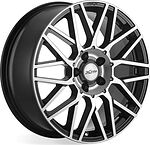
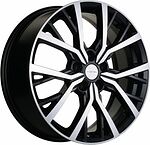
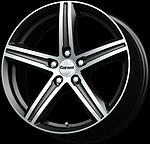
- the catalog contains a large number of specialized tires for such extremely "charged" cars as this sedan;- 18- and 19-inch wheels made of light alloys are available, both from the original equipment of this model and from analogs with often higher characteristics from leading world manufacturers;
- a long warranty for all purchased wheel products;
- if any difficulties arise related to the selection of the most suitable disks and tires for this sedan, you can always contact our specialists.