Tyres and wheels for Audi 80, wheel size on Ауди 80
Подбор шин и дисков по автомобилю Ауди 80
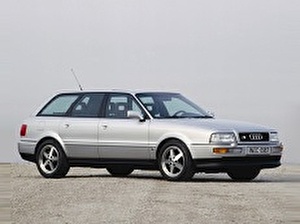
Другие модели Audi
Audi 100, Audi 200, Audi 4000, Audi 5+5, Audi 5000, Audi 80, Audi 90, Audi A1, Audi A1 allstreet, Audi A1 citycarver, Audi A2, Audi A3, Audi A3 allstreet, Audi A3L, Audi A4, Audi A4 Allroad, Audi A4L, Audi A5, Audi A5L, Audi A6, Audi A6 Allroad, Audi A6 e-tron, Audi A6L, Audi A7, Audi A7L, Audi A8, Audi A8L, Audi Allroad, Audi Cabriolet, Audi Coupe, Audi e-tron, Audi e-tron GT, Audi e-tron S, Audi e-tron S Sportback, Audi e-tron Sportback, Audi Q2, Audi Q2L, Audi Q2L e-tron, Audi Q3, Audi Q3 Sportback, Audi Q4, Audi Q4 Sportback, Audi Q5, Audi Q5 e-tron, Audi Q5 Sportback, Audi Q5L, Audi Q5L Sportback, Audi Q6, Audi Q6 e-tron, Audi Q6 Sportback e-tron, Audi Q6L e-tron, Audi Q6L Sportback e-tron, Audi Q7, Audi Q8, Audi Q8 e-tron, Audi Q8 Sportback e-tron, Audi R8, Audi RS e-tron GT, Audi RS Q3, Audi RS Q3 Sportback, Audi RS Q8, Audi RS2, Audi RS3, Audi RS4, Audi RS5, Audi RS6, Audi RS7, Audi S e-tron GT, Audi S1, Audi S2, Audi S3, Audi S4, Audi S5, Audi S6, Audi S6 e-tron, Audi S7, Audi S8, Audi S8L, Audi SQ2, Audi SQ5, Audi SQ5 Sportback, Audi SQ6 e-tron, Audi SQ6 Sportback e-tron, Audi SQ7, Audi SQ8, Audi SQ8 e-tron, Audi SQ8 Sportback e-tron, Audi TT, Audi TT RS, Audi TTS, Audi V8,Параметры дисков на Ауди 80
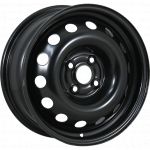
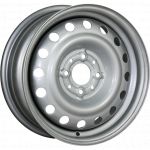
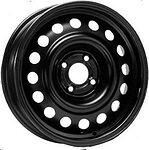
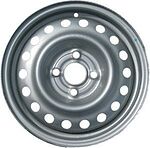
- PCD 4x100 диаметром от 13 до 13, шириной от 4.5 до 5.5 и профилем от ET45 до ET47как у Chevrolet Aveo
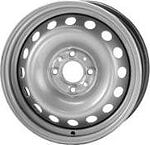
- PCD 4x10⁸ диаметром от 15 до 15, шириной от 6 до 7 и профилем от ET37 до ET37как у Ford Ecosport
Tires on Audi 80
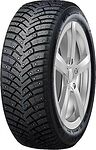
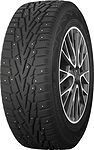
- Tyre size from R13 to R15, width from 155 to 205 and profile from 60 to 80
- Minimum tyre size: 155/80 R13, maximum: 205/60V R15
Favorite winter tires
Наиболее популярные модели шин






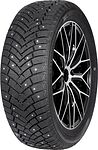

Tires on Audi 80 (Ауди)
Audi 80 was produced from 1966 to 1996. It is a compact luxury car created on the same platform as the larger Volkswagen Passat.Model F103
The car, which debuted in 1966, was sold as an Audi without its own name. Later, the number 72 was added to its name, indicating the engine power. Already at that time, it was positioned as a sports car with corresponding dynamics, which over time became even higher due to the engine. This was an in-line "four" M118, installed longitudinally, despite the front-wheel drive layout. It was borrowed from DKW, which had been using it since the 1930s, and was designed for a 3-cylinder engine with more compact dimensions. The installation of the "four" led to the fact that the front cylinder was cooled better than the other three, which is why the spark plugs had a tendency to get clogged, especially during urban operation. In addition to the platform, the engine itself was also borrowed. It was developed at Daimler-Benz and was distinguished by a higher compression ratio due to spiral-shaped intake channels and Heron combustion chambers, which additionally enhanced the swirling of the fuel-air mixture.Model B1
The car of the next generation appeared in 1972, also having an index instead of a name. This was the second model in the brand's history, which was developed at Volkswagen by Ludwig Kraus, who was extremely dismissive of the previous model, which is why the new car was radically different. First of all, according to the engine range, which consisted of 1.3 and 1.5 liter gasoline "fours" from the EA827 series, which were later used by Volkswagen for several decades. Another feature was the suspension: at the front it was "MacPherson", and at the rear it was a C-shaped beam on longitudinal levers with a stabilizer in the form of a Panhard rod. To this should be added a practical sedan body with 4 or 2 doors, as well as a station wagon, which provided the first "eighty" with excellent sales.Model B2
In September 1978, the manufacturer presented the next generation car, which was a deep modernization of the previous model. However, this time there was no station wagon in the line, which was due to the presence of this modification in the Volkswagen Passat. In addition, the manufacturer sought to compete with the BMW 3 Series, moving the brand to the representative car segment. For the same reason, it got more powerful engines from the Audi 100, in particular, a 2.2-liter gasoline "four" with a capacity of 136 horsepower. In 1983, a modification with all-wheel drive Quattro appeared, which was distinguished by impressive traction and handling. A year later, a model with the 90 index appeared, which had a larger number of options and an expanded engine range.Model B3
In the fall of 1986, the premiere of the fourth-generation car took place. It was based on a platform different from the Volkswagen Passat, but at the same time, the layout with a longitudinal engine and front-wheel drive was preserved. Another difference from the predecessor was a fully galvanized body, as well as its much more efficient aerodynamic shape. The engine range in the first years of production mainly consisted of engines from the previous model, but some of them received electronic fuel injection. Later, it was changed due to new diesel and gasoline power units. Another important innovation was the Procon-ten safety system, which became standard in 1991. It represented a system of steel cables connecting the steering wheel, seat belt reels with the engine and transmission. In the event of a head-on collision, they pulled the steering wheel into the instrument panel and tightened the seat belts, using the displacement of the engine and transmission for this purpose.Model B4
In the fall of 1991, the manufacturer presented the car of the next generation. This was another attempt by the brand to penetrate the segment of medium-sized representative class models, where Mercedes-Benz and BMW dominated. It was this that led to a significant increase in the wheelbase, the appearance of high-quality materials in the interior, and a more extensive list of standard and optional equipment. The engine range, although starting with in-line "fours", offered for the most dynamic modifications gasoline engines V6 with a volume of 2.6, and later 2.8 liters. And, as before, the car, depending on the configuration, was equipped with the all-wheel drive system Quattro. Its serial production was discontinued at the end of 1994, however, the concept of a compact dynamic car was preserved in its successor, the A4. Despite this, a fairly large number of copies of this model still exist on our roads, from time to time requiring the replacement of tires and wheels. This products are widely presented in the online store "Mosavtoshina".Advantages of selecting tires for Audi 80 on our website:
- a regularly updated catalog contains both novelties of the tire industry and already popular models of tires for compact luxury cars;- an automated search system allows you to quickly and efficiently perform the selection, using only the name of the brand and model of the car;
- a wide range of steel and alloy wheels, both original and their analogs from third-party manufacturers;
- on all questions, you can contact our employees, getting the most complete information on any product presented in the catalog.