Tyres and wheels for Audi 90, wheel size on Ауди 90
Другие модели Audi
Audi 100, Audi 200, Audi 4000, Audi 5+5, Audi 5000, Audi 80, Audi 90, Audi A1, Audi A1 allstreet, Audi A1 citycarver, Audi A2, Audi A3, Audi A3 allstreet, Audi A3L, Audi A4, Audi A4 Allroad, Audi A4L, Audi A5, Audi A5L, Audi A6, Audi A6 Allroad, Audi A6 e-tron, Audi A6L, Audi A7, Audi A7L, Audi A8, Audi A8L, Audi Allroad, Audi Cabriolet, Audi Coupe, Audi e-tron, Audi e-tron GT, Audi e-tron S, Audi e-tron S Sportback, Audi e-tron Sportback, Audi Q2, Audi Q2L, Audi Q2L e-tron, Audi Q3, Audi Q3 Sportback, Audi Q4, Audi Q4 Sportback, Audi Q5, Audi Q5 e-tron, Audi Q5 Sportback, Audi Q5L, Audi Q5L Sportback, Audi Q6, Audi Q6 e-tron, Audi Q6 Sportback e-tron, Audi Q6L e-tron, Audi Q6L Sportback e-tron, Audi Q7, Audi Q8, Audi Q8 e-tron, Audi Q8 Sportback e-tron, Audi R8, Audi RS e-tron GT, Audi RS Q3, Audi RS Q3 Sportback, Audi RS Q8, Audi RS2, Audi RS3, Audi RS4, Audi RS5, Audi RS6, Audi RS7, Audi S e-tron GT, Audi S1, Audi S2, Audi S3, Audi S4, Audi S5, Audi S6, Audi S6 e-tron, Audi S7, Audi S8, Audi S8L, Audi SQ2, Audi SQ5, Audi SQ5 Sportback, Audi SQ6 e-tron, Audi SQ6 Sportback e-tron, Audi SQ7, Audi SQ8, Audi SQ8 e-tron, Audi SQ8 Sportback e-tron, Audi TT, Audi TT RS, Audi TTS, Audi V8,Параметры дисков на Ауди 90
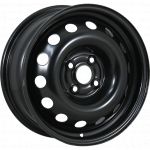
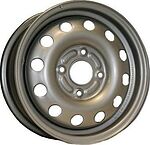
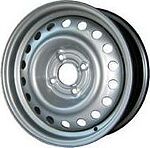
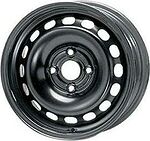
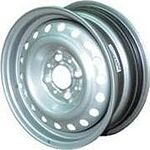
- PCD 4x10⁸ диаметром от 15 до 15, шириной от 6 до 7 и профилем от ET37 до ET37как у Ford Ecosport
Tires on Audi 90
- Tyre size from R14 to R15, width from 195 to 205 and profile from 50V to 65V.
- Minimum tyre size: 195/60H R14, maximum: 205/60V R15
Tires on Audi 90 (Ауди)
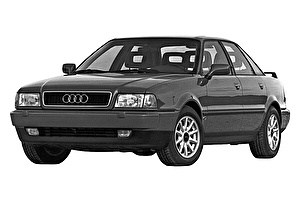
The Audi 90 sedan appeared in the model range of the German brand in 1984, representing a more technically complex and better-equipped version of the 80 model of the second generation. The car was intended for buyers who wanted to get more power and comfort without having to spend money on a business class. In essence, the car occupied a niche between mass models of the middle segment and representative sedans of the brand.The main competitors in the European market were the BMW 3 Series of the E30 generation, the Mercedes-Benz 190 (W201), as well as some versions of the Saab 900 and Volvo 240. However, Audi offered its own approach: a combination of front-wheel drive and high-tech solutions, such as the quattro all-wheel drive system. Thanks to this, the model received a reputation as one of the most technological sedans of its time.
First Generation
The debut model, in essence, represented a sedan "Audi 80" with other engines and a higher level of equipment. The car received gasoline inline "fives" with a volume of 2.0 and 2.2 liters, which were the brand's visiting card in the 1980s. The power unit with this layout stood out against the background of 4-cylinder engines with more even work and increased power - from 115 to 136 horsepower. The chassis design was focused on stability and safety. The front suspension is made according to the "MacPherson" scheme, and the rear suspension is with a semi-dependent beam. The company paid special attention to the accuracy of the steering and stability at high speeds.
One of the key advantages was the possibility of installing the quattro system, which provided permanent all-wheel drive. For the mid-1980s, this was a rare offer in the middle class and allowed Audi to favorably distinguish itself from "BMW" and "Mercedes", where similar technologies appeared much later.
Second Generation
In 1987, the debut of a new generation of the model took place, which this time was created on the B3 platform. Another difference from the predecessor was a more modern body design, which was fully galvanized, which became one of the factors that ensured the car's outstanding durability. When creating the design, aerodynamics was the prevailing part of the concept. The air resistance coefficient was significantly reduced compared to the previous generation, which had a positive effect on economy and acoustic comfort.
In technical terms, one of the important innovations was the appearance of an inline "four" with a volume of 2 liters, which replaced the 5-cylinder engine of the same volume. Versions for North America still had an inline "five", but with an increased working volume of up to 2.3 liters. In combination with mechanical and automatic transmissions, these engines provided good dynamics with moderate fuel consumption.
Audi 90 differed from many competitors with its layout. Front-wheel drive with a longitudinal engine arrangement provided stability on slippery surfaces and predictable behavior. In the quattro version, a system of permanent all-wheel drive with a central differential was used, which distributed the torque between the axles. This scheme significantly increased stability on wet or snowy asphalt. The engineers also paid attention to comfort. The suspension was tuned so that the car confidently held the highway, while remaining soft enough for everyday operation.
Interior and Equipment
For its time, the model offered a fairly rich list of equipment. In the expensive versions, the car was equipped with climate control, electric windows, central locking, leather interior, on-board computer, ABS system. The salon was distinguished by strict "German" ergonomics - the instrument panel was oriented towards the driver, all controls were logically and conveniently located. The quality of the trim materials was at a high level and corresponded to the brand's ambitions, which at that time was actively moving into the premium segment.
Differences from Competitors
Against the background of analogs, the model looked like a more technological option. The main advantage was the quattro all-wheel drive system, which provided better passability and stability on slippery roads. 5-cylinder engines were distinguished by their characteristic sound and high elasticity, which gave the car a special character. Another important factor was the galvanization of the body, thanks to which the car significantly better resisted corrosion than many competitors of that time. As a result, the model became popular among drivers who valued engineering thoughtfulness, reliability, and practicality.
Wheels
The car was equipped with wheels with a landing diameter of 14, 15 and 16 inches, and the most common tire sizes include 185/65 R14, 195/60 R15 and 205/55 R16. Such parameters provide a good balance between comfort and handling. It is convenient to choose suitable tires and disks in the online store "Mosavtoshina", where various options for wheel products are presented.
Advantages of selecting tires for Audi 90 on our website:
- the catalog presents a large number of modern tire models from different manufacturers, many of which are well suited for this sedan;
- a wide range of 14-16-inch steel and alloy wheels, both with a "factory" design that preserves the classic look of the car, and performed in an alternative stylistics;
- long-term warranty support from our side makes the purchase of any positions more secure and profitable in the long term;
- our specialists, when searching for optimal wheel kits for this sedan, will take into account all its technical features and offer the most suitable options.