Tyre reviews Goodyear UltraGrip Ice Arctic SUV. Page 24 585
-
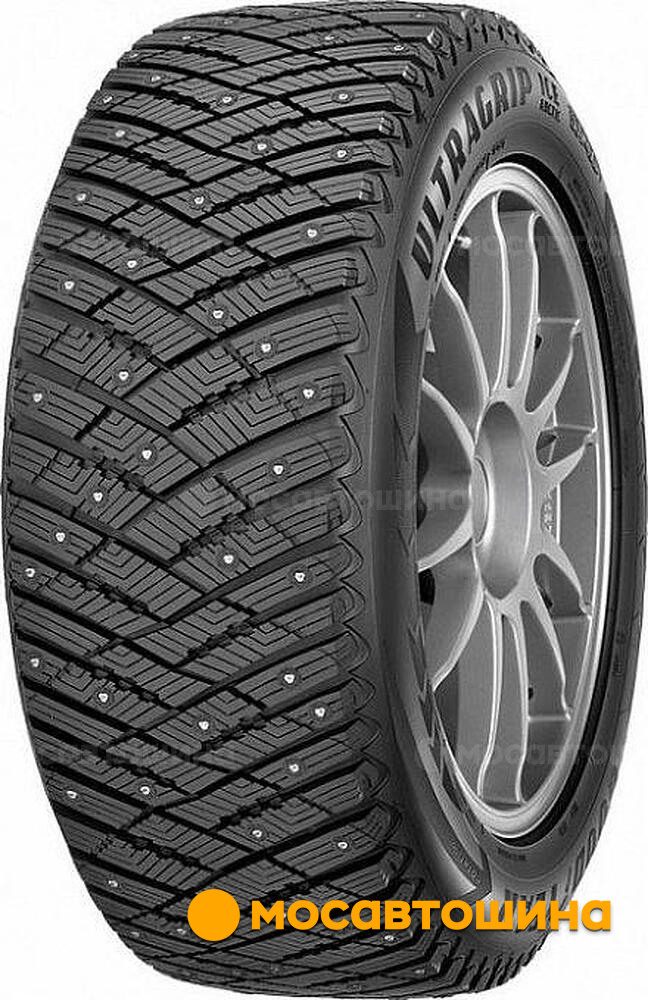
Goodyear UltraGrip Ice Arctic SUV
Статистика отзывов на шины Goodyear UltraGrip Ice Arctic SUV
Ниже отображены сводные характеристики шины, основанные на отзывах и оценках автовладельцев со всего мира.
При учёте общей оценки летней шины её показатели на снегу и льду не учитываются.
- Средняя оценка шин Goodyear UltraGrip Ice Arctic SUV пользователями сайта:
- Количество отзывов на шины Goodyear UltraGrip Ice Arctic SUV: 585 шт.
- Место в рейтинге: 839
- Место в рейтинге (шипованные): 113
- Control on a dry road
- Steering in the wet
- Control in the snow
- Control on ice
- Drive comfort
- Quiet in motion
- Braking efficiency
- Resistant to aquaplaning
- Velocity characteristics
- Wearability
- Quality of production
- Price justifiability
Оценки шин Goodyear UltraGrip Ice Arctic SUV по месяцам
- Rate
- Rate
- Rate
- Rate
- Rate
- Rate
- Rate
- Rate
- Rate
I bought it in 2014 due to the price increase of NOKIAN
After the first winter, up to 30% of the studs fell out and none fell out in the following years, which, I think, indicates a specific defect. It starts well, cornering is confident. Several times it scared me with a sudden skid on a straight ice track. I couldn't explain it, so I started driving more cautiously and it didn't happen again. I got used to NOKIAN. In comparison to it, ARCTIC ICE on ice and loose snow will have to nervously smoke on the sidelines. At the same time, it clearly surpasses on the highway, somewhere in Germany or Poland. You can't drive with such speed and handling on NOKIAN on a road with not very harsh conditions. The tire feels very soft. SOFT
Comfortable. I was impressed by the low noise level when switching from summer AT.
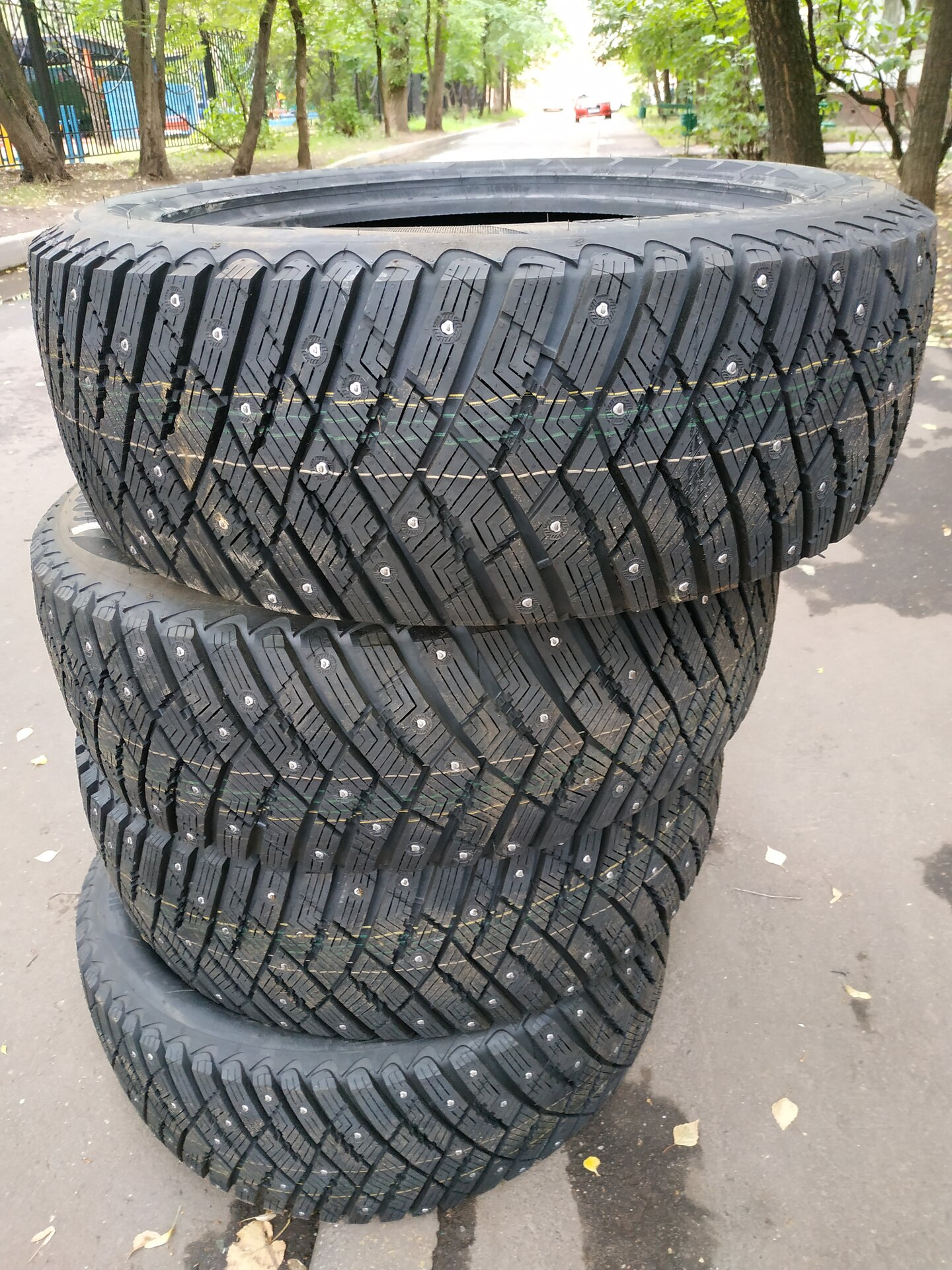
The studs are not audible at all. Yes, they are purely symbolic here. "Floating", as the manufacturer claims. As the wear of the tire becomes critical, all the hard alloy inserts of the studs have flown out of their cups. Then, the tire became summer tire for me. On a four-wheel drive SUV, I enjoyed driving on it even more than on summer tires. But all good things come to an end. After ten years of operation, the tread wear approached the unacceptable level. After 10 years, the tire is still quite soft. There are no bulges, cracks.
I was going to buy a new NOKIAN, but seeing the price, I changed my mind again, just like in 2014! I'll buy myself the same GOODYEAR
Of course, I know about the Nizhnekamsk "Nokian", but this is an alternative-less option for a passenger car with a single drive.
- Vehicle:
- Chevrolet TrailBlazer
- Buy again?:
- Definitely yes
- Control on a dry road
- Steering in the wet
- Control in the snow
- Control on ice
- Course stability
- Drive comfort
- Quiet in motion
- Braking efficiency
- Resistant to aquaplaning
- Velocity characteristics
- Wearability
- Quality of production
- Price justifiability
- Rate
Studded tires that are more suitable for urban winter with a small amount of snow. Behaves well on dry and wet asphalt. Ruts have a minor effect, holds a straight line well, without putting a strain on the driver. Moderately noisy after running-in. Up to 1000 km, incredibly noisy. In snow, it quickly gets stuck, can be said to not move at all. Dry, wet, compacted, loose snow is not for this tire. On ice, it satisfactorily grips. Brakes satisfactorily on ice. In the transverse direction on ice, it holds worse than in the longitudinal direction. At first, this is unexpected behavior, but after getting used to it, you stop noticing. The region of operation is Moscow. For comparison, I previously had studded tires on different cars, those that I remember: MICHELIN Latitude X-Ice North LXIN2 stud 225/55R18 102T XL (on Outlander XL),
Continental ContiWinterViking 2, Nokian Hakka 4, Gislaved Nord Frost 3. The current Goodyear is closest to MICHELIN X-Ice North in terms of driving qualities. MICHELIN is significantly quieter, they were as quiet as summer tires. They grip snow just as poorly, here it's a tie with MICHELIN X-Ice North. Nokian Hakka 4, Gislaved Nord Frost 3 - were better, with a clear advantage. Continental ContiWinterViking 2 - is simply better than the current Goodyear.- Vehicle:
- Mitsubishi Outlander
- Buy again?:
- Most likely
- Control on a dry road
- Steering in the wet
- Control in the snow
- Control on ice
- Course stability
- Drive comfort
- Quiet in motion
- Braking efficiency
- Resistant to aquaplaning
- Velocity characteristics
- Wearability
- Quality of production
- Price justifiability