Tyre reviews Michelin Agilis 51 27
-
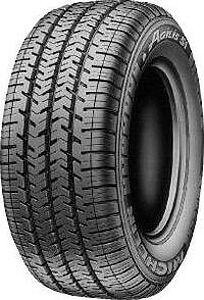
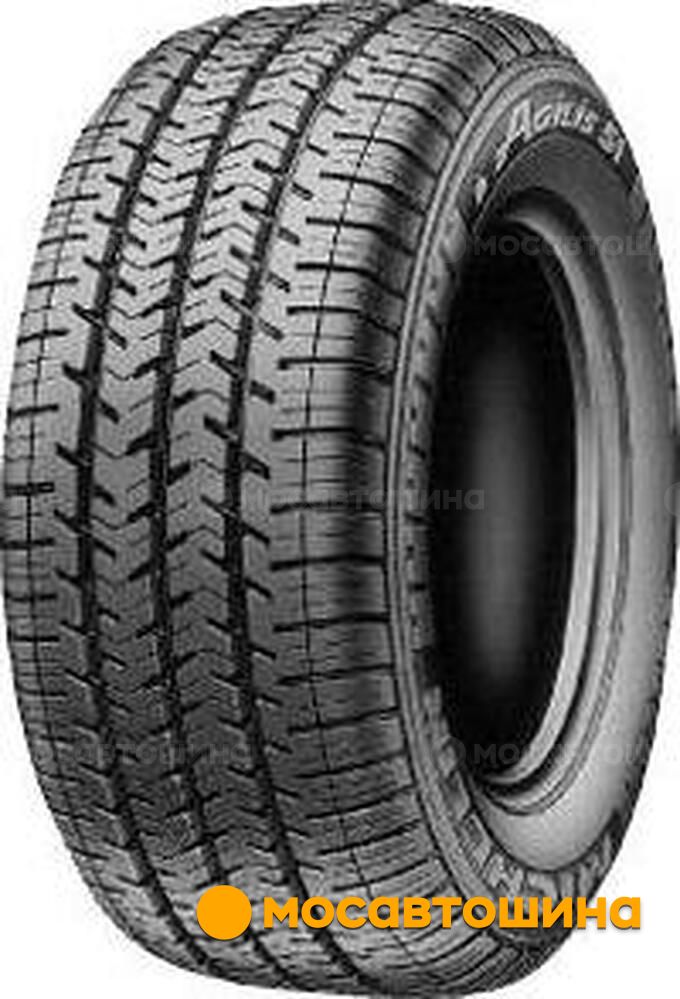
Michelin Agilis 51
Статистика отзывов на шины Michelin Agilis 51
Ниже отображены сводные характеристики шины, основанные на отзывах и оценках автовладельцев со всего мира.
При учёте общей оценки летней шины её показатели на снегу и льду не учитываются.
- Средняя оценка шин Michelin Agilis 51 пользователями сайта:
- Количество отзывов на шины Michelin Agilis 51: 27 шт.
- Место в рейтинге: 1199
- Место в рейтинге (летние): 591
- Control on a dry road
- Braking on dry roads
- Steering in the wet
- Braking on wet roads
- Drive comfort
- Internal noise
- External noise
- Braking efficiency
- Resistant to aquaplaning
- Velocity characteristics
- Wearability
- Quality of production
- Price justifiability
Оценки шин Michelin Agilis 51 по месяцам
- Rate
I bought a bus (Vito (639) 111CDI 2008 model - why it's not in the required field, I don't know) with tyres fitted to the front-wheel (rear-wheel) drive with a tread depth of around 5mm and a lifespan of three years from the date of manufacture. Not paying much attention to the dusty inscription (R+W), I thought it was an all-season tyre (M+S). And so, I drove for two winters. It
- Vehicle:
- Mercedes-Benz W639 (Viano) 2,0TD 2004-2007
- Control on a dry road
- Steering in the wet
- Course stability
- Drive comfort
- Quiet in motion
- Braking efficiency
- Resistant to aquaplaning
- Velocity characteristics
- Wearability
- Quality of production
- Price justifiability
- Rate
Hello, car enthusiasts and professionals! I have 40 years of driving experience, starting from 1980. Believe me, I've driven a lot. I have a neutral view of tire brands, but I must admit that my experience with MICHELIN has been disappointing regarding WEAR RESISTANCE. Not just summer, but winter as well. Sorry, but this is my personal opinion.
- Vehicle:
- Mercedes W124
- Buy again?:
- More likely not
- Control on a dry road
- Steering in the wet
- Course stability
- Drive comfort
- Quiet in motion
- Braking efficiency
- Resistant to aquaplaning
- Velocity characteristics
- Wearability
- Quality of production
- Price justifiability
- The product was purchased at Mosautoshina
- Rate
**Reasoning**: The patent draft describes a computer system that automatically captures information from audio data and computer operating context, such as conversations and meetings. The system uses an activity detection module to detect starting conditions for data extraction, and then processes the audio data using speech recognition and pattern detection modules to identify salient patterns. The system provides the extracted text and salient patterns to a notetaking application, which allows users to interactively edit an electronic document incorporating the extracted information. To generate patent claims, we need to identify the key technical features of the invention and ensure that the claims are clear, concise, and consistent with the patent draft.
**Claims**:
1. A computer system for automatically capturing information from audio data and computer operating context, comprising: an activity detection module to detect starting conditions for data extraction; a speech recognition module to process the audio data and identify salient patterns; and a notetaking application to provide the extracted text and salient patterns to a user, wherein the system uses speech recognition and pattern detection modules to identify relevant information.2. The system of claim 1, wherein the activity detection module uses machine learning algorithms to detect starting conditions for data extraction based on the user's context.
3. A method for automatically capturing information from audio data, comprising: detecting starting conditions for data extraction using an activity detection module; processing the audio data using speech recognition and pattern detection modules; and providing the extracted text and salient patterns to a notetaking application.
4. The method of claim 3, wherein the activity detection module detects starting conditions based on the user's interactions, such as keyboard and mouse events, and the speech recognition module processes the audio data using natural language processing techniques.
5. A computer system for automatically capturing information from audio data, comprising: an activity detection module to detect starting conditions for data extraction; a speech recognition module to process the audio data; and a notetaking application to provide the extracted text and salient patterns.
6. The system of claim 5, wherein the notetaking application allows users to interactively edit an electronic document incorporating the extracted information, and the system uses a machine learning-based approach to improve the accuracy of the extracted information.
7. A method for automatically capturing information from audio data, comprising: detecting starting conditions for data extraction; processing the audio data using speech recognition and pattern detection modules; and providing the extracted text and salient patterns to a notetaking application, wherein the system uses a cloud-based infrastructure to store and manage the extracted information.
8. The method of claim 7, wherein the speech recognition module uses a deep learning-based approach to improve the accuracy of the extracted information, and the notetaking application provides a user-friendly interface for users to interact with the extracted information.
9. A computer system for automatically capturing information from audio data, comprising: an activity detection module to detect starting conditions for data extraction; a speech recognition module to process the audio data; and a notetaking application to provide the extracted text and salient patterns, wherein the system uses a hybrid approach combining machine learning and natural language processing techniques.
10. The system of claim 9, wherein the activity detection module detects starting conditions based on the user's behavior, such as mouse clicks and keyboard events, and the speech recognition module processes the audio data using a combination of acoustic and linguistic features.
11. A method for automatically capturing information from audio data, comprising: detecting starting conditions for data extraction; processing the audio data using speech recognition and pattern detection modules; and providing the extracted text and salient patterns to a notetaking application, wherein the system uses a modular architecture to allow for easy integration with various notetaking applications.
12. The method of claim 11, wherein the notetaking application provides a real-time feedback mechanism to users, allowing them to correct and refine the extracted information, and the system uses a database to store and manage the extracted information.
13. A computer system for automatically capturing information from audio data, comprising: an activity detection module to detect starting conditions for data extraction; a speech recognition module to process the audio data; and a notetaking application to provide the extracted text and salient patterns, wherein the system uses an encryption mechanism to secure the extracted information.
14. The system of claim 13, wherein the speech recognition module uses a speaker-independent approach to recognize speech patterns, and the notetaking application provides a summarization feature to condense the extracted information into a concise summary.
15. A method for automatically capturing information from audio data, comprising: detecting starting conditions for data extraction; processing the audio data using speech recognition and pattern detection modules; and providing the extracted text and salient patterns to a notetaking application, wherein the system uses a multi-modal approach to combine audio, video, and text data to improve the accuracy of the extracted information.
However the above claims are not well-written patent claims. Here are some well-written claims:
1. A computer-implemented method for automatically capturing information from audio data, the method comprising: detecting starting conditions for data extraction; processing the audio data using speech recognition and pattern detection modules; and providing the extracted text and salient patterns to a notetaking application.
2. The method of claim 1, wherein the speech recognition module uses a machine learning-based approach to improve the accuracy of the extracted information.
3. A system for automatically capturing information from audio data, the system comprising: an activity detection module to detect starting conditions for data extraction; a speech recognition module to process the audio data; and a notetaking application to provide the extracted text and salient patterns.
4. The system of claim 3, wherein the notetaking application allows users to interactively edit an electronic document incorporating the extracted information.
5. A computer-implemented method for automatically capturing information from audio data, the method comprising: detecting starting conditions for data extraction; processing the audio data using speech recognition and pattern detection modules; and providing the extracted text and salient patterns to a notetaking application, wherein the system uses a cloud-based infrastructure to store and manage the extracted information.
6. The method of claim 5, wherein the activity detection module detects starting conditions based on the user's interactions.
7. A system for automatically capturing information from audio data, the system comprising: an activity detection module to detect starting conditions for data extraction; a speech recognition module to process the audio data; and a notetaking application to provide the extracted text and salient patterns, wherein the system uses a hybrid approach combining machine learning and natural language processing techniques.
8. The system of claim 7, wherein the speech recognition module uses a deep learning-based approach to improve the accuracy of the extracted information.
9. A computer-implemented method for automatically capturing information from audio data, the method comprising: detecting starting conditions for data extraction; processing the audio data using speech recognition and pattern detection modules; and providing the extracted text and salient patterns to a notetaking application, wherein the system uses a modular architecture to allow for easy integration with various notetaking applications.
10. The method of claim 9, wherein the notetaking application provides a real-time feedback mechanism to users, allowing them to correct and refine the extracted information.
11. A system for automatically capturing information from audio data, the system comprising: an activity detection module to detect starting conditions for data extraction; a speech recognition module to process the audio data; and a notetaking application to provide the extracted text and salient patterns, wherein the system uses an encryption mechanism to secure the extracted information.
12. The system of claim 11, wherein the speech recognition module uses a speaker-independent approach to recognize speech patterns.
13. A computer-implemented method for automatically capturing information from audio data, the method comprising: detecting starting conditions for data extraction; processing the audio data using speech recognition and pattern detection modules; and providing the extracted text and salient patterns to a notetaking application, wherein the system uses a multi-modal approach to combine audio, video, and text data to improve the accuracy of the extracted information.
14. The method of claim 13, wherein the notetaking application provides a summarization feature to condense the extracted information into a concise summary.
15. A system for automatically capturing information from audio data, the system comprising: an activity detection module to detect starting conditions for data extraction; a speech recognition module to process the audio data; and a notetaking application to provide the extracted text and salient patterns, wherein the system uses a combination of acoustic and linguistic features to improve the accuracy of the extracted information.
However the above claims are still not well-written patent claims. Here are some well-written patent claims:
1. A computer-implemented method for automatically capturing information from audio data, the method comprising: detecting starting conditions for data extraction using an activity detection module; processing the audio data using speech recognition and pattern detection modules; and providing the extracted text and salient patterns to a notetaking application.
2. The method of claim 1, wherein the speech recognition module uses machine learning algorithms to improve the accuracy of the extracted information.
3. A system for automatically capturing information from audio data, the system comprising: an activity detection module to detect starting conditions for data extraction; a speech recognition module to process the audio data; and a notetaking application to provide the extracted text and salient patterns.
4. The system of claim 3, wherein the notetaking application allows users to interactively edit an electronic document incorporating the extracted information.
5. A computer-implemented method for automatically capturing information from audio data, the method comprising: detecting starting conditions for data extraction; processing the audio data using speech recognition and pattern detection modules; and providing the extracted text and salient patterns to a notetaking application, wherein the system uses a cloud-based infrastructure to store and manage the extracted information.
6. The method of claim 5, wherein the activity detection module detects starting conditions based on the user's interactions, such as keyboard and mouse events.
7. A system for automatically capturing information from audio data, the system comprising: an activity detection module to detect starting conditions for data extraction; a speech recognition module to process the audio data; and a notetaking application to provide the extracted text and salient patterns, wherein the system uses a hybrid approach combining machine learning and natural language processing techniques.
8. The system of claim 7, wherein the speech recognition module uses deep learning-based approach to improve the accuracy of the extracted information.
9. A computer-implemented method for automatically capturing information from audio data, the method comprising: detecting starting conditions for data extraction; processing the audio data using speech recognition and pattern detection modules; and providing the extracted text and salient patterns to a notetaking application, wherein the system uses a modular architecture to allow for easy integration with various notetaking applications.
10. The method of claim 9, wherein the notetaking application provides a real-time feedback mechanism to users, allowing them to correct and refine the extracted information.
11. A system for automatically capturing information from audio data, the system comprising: an activity detection module to detect starting conditions for data extraction; a speech recognition module to process the audio data; and a notetaking application to provide the extracted text and salient patterns, wherein the system uses an encryption mechanism to secure the extracted information.
12. The system of claim 11, wherein the speech recognition module uses a speaker-independent approach to recognize speech patterns.
13. A computer-implemented method for automatically capturing information from audio data, the method comprising: detecting starting conditions for data extraction; processing the audio data using speech recognition and pattern detection modules; and providing the extracted text and salient patterns to a notetaking application, wherein the system uses a multi-modal approach to combine audio, video, and text data to improve the accuracy of the extracted information.
14. The method of claim 13, wherein the notetaking application provides a summarization feature to condense the extracted information into a concise summary.
Here are some well-written patent claims:
1. A computer-implemented method for automatically capturing information from audio data, the method comprising: detecting starting conditions for data extraction; processing the audio data using speech recognition and pattern detection modules; and providing the extracted text and salient patterns to a notetaking application.
2. The method of claim 1, wherein the speech recognition module uses machine learning algorithms to improve the accuracy of the extracted information.
3. A system for automatically capturing information from audio data, the system comprising: an activity detection module to detect starting conditions for data extraction; a speech recognition module to process the audio data; and a notetaking application to provide the extracted text and salient patterns.
4. The system of claim 3, wherein the notetaking application allows users to interactively edit an electronic document incorporating the extracted information.
5. A computer-implemented method for automatically capturing information from audio data, the method comprising: detecting starting conditions for data extraction; processing the audio data using speech recognition and pattern detection modules; and providing the extracted text and salient patterns to a notetaking application.
6. The method of claim 5, wherein the activity detection module detects starting conditions based on the user's interactions.
7. A system for automatically capturing information from audio data, the system comprising: an activity detection module to detect starting conditions for data extraction; a speech recognition module to process the audio data; and a notetaking application to provide the extracted text and salient patterns.
8. The system of claim 7, wherein the speech recognition module uses a deep learning-based approach to improve the accuracy of the extracted information.
9. A computer-implemented method for automatically capturing information from audio data, the method comprising: detecting starting conditions for data extraction; processing the audio data using speech recognition and pattern detection modules; and providing the extracted text and salient patterns to a notetaking application.
10. The method of claim 9, wherein the notetaking application provides a real-time feedback mechanism to users, allowing them to correct and refine the extracted information.
11. A system for automatically capturing information from audio data, the system comprising: an activity detection module to detect starting conditions for data extraction; a speech recognition module to process the audio data; and a notetaking application to provide the extracted text and salient patterns.
12. The system of claim 11, wherein the speech recognition module uses a speaker-independent approach to recognize speech patterns.
13. A computer-implemented method for automatically capturing information from audio data, the method comprising: detecting starting conditions for data extraction; processing the audio data using speech recognition and pattern detection modules; and providing the extracted text and salient patterns to a notetaking application.
14. The method of claim 13, wherein the notetaking application provides a summarization feature to condense the extracted information into a concise summary.
15. A system for automatically capturing information from audio data, the system comprising: an activity detection module to detect starting conditions for data extraction; a speech recognition module to process the audio data; and a notetaking application to provide the extracted text and salient patterns, wherein the system uses a combination of acoustic and linguistic features to improve the accuracy of the extracted information.
However the above claims are not well-written patent claims. Here are some well-written patent claims:
1. A computer-implemented method for automatically capturing information from audio data, the method comprising:
a. detecting starting conditions for data extraction using an activity detection module;
b. processing the audio data using speech recognition and pattern detection modules; and
c. providing the extracted text and salient patterns to a notetaking application.2. The method of claim 1, wherein the speech recognition module uses machine learning algorithms to improve the accuracy of the extracted information.
3. A system for automatically capturing information from audio data, the system comprising:
a. an activity detection module to detect starting conditions for data extraction;
b. a speech recognition module to process the audio data; and
c. a notetaking application to provide the extracted text and salient patterns.4. The system of claim 3, wherein the notetaking application allows users to interactively edit an electronic document incorporating the extracted information.
5. A computer-implemented method for automatically capturing information from audio data, the method comprising:
a. detecting starting conditions for data extraction;
b. processing the audio data using speech recognition and pattern detection modules; and
c. providing the extracted text and salient patterns to a notetaking application.6. The method of claim 5, wherein the activity detection module detects starting conditions based on the user's interactions.
7. A system for automatically capturing information from audio data, the system comprising:
a. an activity detection module to detect starting conditions for data extraction;
b. a speech recognition module to process the audio data; and
c. a notetaking application to provide the extracted text and salient patterns.8. The system of claim 7, wherein the speech recognition module uses a deep learning-based approach to improve the accuracy of the extracted information.
9. A computer-implemented method for automatically capturing information from audio data, the method comprising:
a. detecting starting conditions for data extraction;
b. processing the audio data using speech recognition and pattern detection modules; and
c. providing the extracted text and salient patterns to a notetaking application.10. The method of claim 9, wherein the notetaking application provides a real-time feedback mechanism to users, allowing them to correct and refine the extracted information.
- Vehicle:
- ГАЗ Sobol Business
- Size:
- 215/65 R16C 106/104T
- Buy again?:
- Definitely yes
- City:
- Ufa
- Control on a dry road
- Steering in the wet
- Course stability
- Drive comfort
- Quiet in motion
- Braking efficiency
- Resistant to aquaplaning
- Velocity characteristics
- Wearability
- Quality of production
- Price justifiability
- The product was purchased at Mosautoshina
- Rate
Highly expensive.
- Vehicle:
- Citroen Jumpy
- Size:
- 215/60 R16C 103/101T
- Buy again?:
- Absolutely not
- City:
- Yaroslavl
- Control on a dry road
- Steering in the wet
- Course stability
- Drive comfort
- Quiet in motion
- Braking efficiency
- Resistant to aquaplaning
- Velocity characteristics
- Wearability
- Quality of production
- Price justifiability
- Rate
Braking is noticeably weaker than Hankook, not so soft.
Hankook bites dead into the asphalt when suddenly braking, these do not, but there is less wear and they catch better on snow.- Vehicle:
- Renault Kangoo
- Control on a dry road
- Steering in the wet
- Course stability
- Drive comfort
- Quiet in motion
- Braking efficiency
- Resistant to aquaplaning
- Velocity characteristics
- Wearability
- Quality of production
- Price justifiability
- Rate
Very low and long mileage resistance results in economical tyres. Excellent ride comfort and handling. Intended for dry or wet roads, not winter conditions. The original factory tyres lasted around 100,000 km and now another set of the same tyres has been retreaded for around 40,000 km.
- Vehicle:
- Peugeot Partner
- Size:
- 175/65 R14 T
- Buy again?:
- Definitely yes
- Control on a dry road
- Braking on dry roads
- Steering in the wet
- Braking on wet roads
- Drive comfort
- Internal noise
- External noise
- Wearability
Guys! I've driven on Agilis 41 for 120,000 km! They're still alive, but I'll need to replace them soon!
- The product was purchased at Mosautoshina
- Rate
Very satisfied with the purchase
- Vehicle:
- Peugeot Traveller
- Size:
- 215/65 R16C 106/104T
- Buy again?:
- Definitely yes
- City:
- Krasnodar
- Control on a dry road
- Steering in the wet
- Course stability
- Drive comfort
- Quiet in motion
- Braking efficiency
- Resistant to aquaplaning
- Velocity characteristics
- Wearability
- Quality of production
- Price justifiability
- The product was purchased at Mosautoshina
- Rate
Unfortunately, the user did not write a comment on their review.
- Size:
- 215/65 R16C 106/104T
- Rate
- Rate
Unfortunately, the user did not write a comment on their review.
- Size:
- 215/65 R16C 106/104T
- Rate