Tyres and wheels for Ford Taurus, wheel size on Форд Таурус
Подбор шин и дисков по автомобилю Форд Таурус
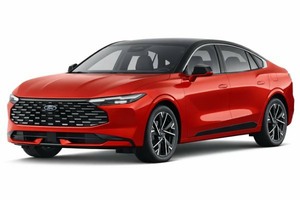
Другие модели Ford
Ford Aerostar, Ford Aspire, Ford B-Max, Ford Bronco I, Ford Bronco I, Ford Bronco II, Ford Bronco Sport, Ford C-Max, Ford Capri, Ford Capri EV, Ford Classic, Ford Club Wagon, Ford Contour, Ford Cortina, Ford Cougar, Ford Courier, Ford Crown Victoria, Ford E-150 Econoline, Ford E-250 Econoline, Ford E-350 Econoline, Ford E-Transit, Ford Ecosport, Ford Edge, Ford Edge L, Ford Edge Plus, Ford Endeavour, Ford Endura, Ford Equator, Ford Equator Sport, Ford Escape, Ford Escort, Ford Escort ZX2, Ford Everest, Ford Evos, Ford Excursion, Ford Expedition, Ford Explorer, Ford Explorer EV, Ford Explorer Sport Trac, Ford F-100, Ford F-150, Ford F-150 Lightning, Ford F-150 SVT Lightning, Ford F-250, Ford F-350, Ford F-450 Super Duty, Ford F150, Ford Fairlane, Ford Fairmont, Ford Falcon, Ford Festiva, Ford Fiesta, Ford Fiesta Active, Ford Fiesta Classic, Ford Fiesta Ikon, Ford Figo, Ford Five Hundred, Ford Flex, Ford Focus, Ford Focus Active, Ford Focus C-MAX, Ford Focus Electric, Ford Focus Shooting Brake, Ford Freestar, Ford Freestyle, Ford Fusion, Ford Fusion USA, Ford Galaxie 500, Ford Galaxy, Ford Gran Torino, Ford Granada, Ford Grand C-MAX, Ford Grand Tourneo Connect, Ford GT, Ford Ikon, Ford Ka, Ford Ka Freestyle, Ford Ka+ Active, Ford Kuga, Ford Laser, Ford Lobo, Ford LTD, Ford Maverick, Ford Mondeo, Ford Mondeo Sport, Ford Mustang, Ford Mustang Boss 302, Ford Mustang Cobra, Ford Mustang Mach 1, Ford Mustang Mach-E, Ford Mustang Roush, Ford Mustang Saleen, Ford Mustang Shelby GT350, Ford Mustang Shelby GT350, Ford Mustang Shelby GT500, Ford Orion, Ford P100, Ford Probe, Ford Puma, Ford Ranchero, Ford Ranger, Ford Ranger Sport, Ford S-Max, Ford Scorpio, Ford Sierra, Ford Sport Trac, Ford SportKa, Ford StreetKa, Ford Taurus, Ford Taurus SE/SEL, Ford Taurus SHO, Ford Taurus X, Ford Territory, Ford Thunderbird, Ford Tourneo, Ford Tourneo Connect, Ford Tourneo Courier, Ford Tourneo Custom, Ford Transit, Ford Transit 150, Ford Transit 250, Ford Transit 350, Ford Transit 350 HD, Ford Transit Connect, Ford Transit Courier, Ford Transit Custom, Ford Transit T8, Ford Windstar,Параметры дисков на Форд Таурус
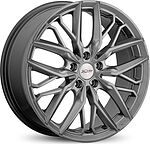
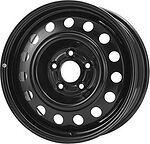
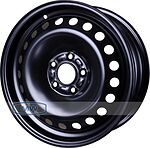
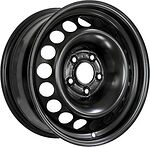
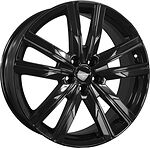
- PCD 5x10⁸ диаметром от 14 до 15, шириной от 5.5 до 6 и профилем от ET38 до ET42как у Mercury Sable
- PCD 5x114.3 диаметром от 17 до 18, шириной от 7.5 до 8 и профилем от ET39 до ET39как у Genesis GV70
Tires on Ford Taurus
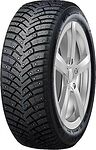
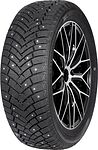
- Tyre size from R14 to R19, width from 205 to 255 and profile from 45 to 70.
- Minimum tyre size: 205/60 R16, maximum: 255/45 R19






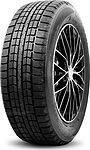
Tires on Ford Taurus (Форд)
The Ford Taurus appeared in the production range of the North American corporation in 1985. The car was a landmark model for the company, as it was the first to implement the "quality culture" strategy, which involved identifying problems at an early stage of the production cycle, during development. This made it possible to significantly improve the level of car production and their operational properties.First Generation
The car, which debuted in 1985, belonged to the mid-size models and was available in two trim levels, differing in body type - sedan and station wagon. Compared to its predecessors, it stood out for its "rounded" design, stylistically close to the cars of the European division of the brand. It turned out to be extremely effective in terms of aerodynamics, which allowed the car to meet the regulatory requirements for fuel consumption for corporate fleets, where it was actively used. It is also worth noting the use of an in-line gasoline "four" in combination with a 5-speed manual transmission in the base versions, thanks to which they differed in excellent fuel efficiency for this class. Another advantageous difference was the interior design. It stood out for the ergonomic arrangement of most controls, allowing them to be used literally by touch, without taking your eyes off the road. In particular, the left part of the front panel was curved and turned towards the driver, providing easy access to buttons and keys. It's also worth noting that the car was offered with three trim levels. Each could be "customized" to suit your needs, choosing from an extensive list of additional options, which made it possible to make the car both ascetic and luxurious.Second Generation
In late 1991, the next-generation car was released. It was based on the same chassis as its predecessor, differing from it mainly externally, except for the doors. First of all, the front part was changed, receiving narrower headlights, as well as the rear with other rear lights. The roof became more sloping, and on the station wagon, a spoiler was integrated into the rear door, which further reduced air resistance. The interior, although it underwent significant changes, retained the characteristic features of its predecessor. This was due to the need to accommodate front and side airbags for the driver and passengers. As an option in 1992, these components became part of the standard equipment in 1993, making the car the only one on the market with such a set of active safety features. In technical terms, the only change was the refusal to use a 4-cylinder engine. The engine range started with a 3-liter gasoline V6 of the Vulcan family, which was used on sedans. For the station wagon, a 3.8-liter engine of the same layout was used. Both power units were combined with a 4-speed automatic transmission.Third Generation
The car of the third generation, presented in 1995, turned out to be a truly new model. It was based on the DN101 platform, which it shared, among other things, with the Windstar minivan. The body design was completely redesigned. During the development process, which began in 1991, a huge number of concepts were considered, but in the end, the choice was made in favor of an oval, which prevailed in all parts of the car, including the rear. Most of the changes in the interior were made based on the analysis of customer reviews. In particular, a significant part of the front console was allocated for climate control and radio panels, and each button on them had a specific shape, which made it easier to select them without being distracted from the road. In terms of technology, the experience of the main competitors played a significant role. In particular, Ford engineers carefully tested the Toyota Camry and Honda Accord, and also dismantled them. This made it possible to create a chassis that accurately imitated the ride and handling of these cars.Fourth Generation
In 2000, the release of the fourth-generation model took place. The car differed significantly from its predecessor in its external appearance, in which attempts were made to get rid of excessively oval shapes. Stylistically, it was brought closer to the current corporate style of New Edge, which was characterized by more acute edges. The interior was also redesigned in a similar way, its design became more conservative. The inclination of the central part towards the driver disappeared. In technical terms, the car became simpler, which was due to the manufacturer's desire to reduce operating costs. For example, the sedan got drum brakes at the back, and its more expensive versions lost the dual exhaust pipes.Fifth Generation
The fifth-generation car was presented in 2007. It represented a modified version of the Five Hundred model, which, in turn, was one of the results of Ford's acquisition of the "passenger" division of the Swedish Volvo, from whose arsenal the D3 platform from the S80 sedan was taken. For this reason, the station wagon disappeared from the lineup. The sedan had almost the same design as the 500th model, with minimal differences, and, like the "original", did not cause any particular delight. Compared to its predecessor, the car became significantly larger and a third more powerful thanks to the 3.5-liter V6 of the Duratec family. The power unit was combined with a 6-speed automatic transmission. As for the interior, its design was also taken from the 500th model, differing in decorative elements, a different steering wheel, and the arrangement of the windshield wiper mode switch on the "turn signal" lever on the right side, as it was in all generations of this car. Perhaps the only important innovation in the equipment was the appearance of the SYNC multimedia system developed by Microsoft, which was distinguished by voice control and the ability to connect wearable gadgets.Sixth Generation
The sixth-generation car, released in 2010, turned out to be the last in the history of this model, which was produced directly by the North American division of the brand. It still used the Swedish D3 platform, but in a modified version, which, in particular, once again increased the dimensions. As a result, the sedan turned out to be the largest and heaviest Ford passenger car. Its exterior design was executed in the corporate Kinetic Design style. The chassis retained the same layout with McPherson struts at the front and a "multi-link" at the rear. The standard equipment included the Advance Trac system, which controlled both traction and directional stability. All-wheel drive versions received a "torque vectoring" function. The car also became much safer, receiving a complex of electronic assistants, starting from "blind spot" control and ending with the function of automatic lane keeping.Seventh Generation
The seventh-generation sedan debuted in China in 2015, where its serial production began at a joint venture with Changan. The car was created on the Mondeo platform, largely repeating its design, but in a modified version, differing in an increased distance between the axles, which turned out to be greater than that of its predecessor, despite the shorter length. The chassis layout did not change, retaining McPherson struts at the front and a "multi-link" at the rear. Unlike the Mondeo, an all-wheel drive system was available for this sedan as an option. The engine range started with in-line "fours" with a capacity of 1.5 and 2 liters of the EcoBoost family, developing 180 and 245 horsepower, respectively. Top versions were offered with a 2.7-liter gasoline V6 with a power of 329 horsepower.In contrast to the stylish and solid exterior, the interior was quite simple, standing out with a massive steering wheel and a traditional Ford multimedia system from Sony, as well as a rotating "disk" of the transmission mode selector. It's worth noting the presence of a climate control, heating, and seat ventilation control panel in the central armrest for rear passengers, which also had separate adjustment of backrest tilt and a vibration massager. Among other additional options, it's worth mentioning the panoramic roof, LED headlights, and buttons for adjusting the front seat from the rear passenger seat. Its presence is due to the concept of the car, which was positioned on the Chinese market as a representative model, located just below the "representative" cars from Lincoln.
Eighth Generation
In the spring of 2022, the release of the eighth-generation model took place. This time, the car was intended for the countries of the Middle East. It represented a modified version of the Chinese Mondeo. Visually, both cars differed only in emblems and small decorative elements. In addition, it was available with a front console from the base Mondeo versions with an 8-inch instrument panel screen and a 13.2-inch multimedia system tablet. Technically, both cars turned out to be identical. Under the hood was a 2-liter EcoBoost engine with 245 horsepower, which worked in pair with an 8-speed automatic transmission. The standard equipment for this model includes wheels with a diameter of up to 17 to 19 inches. Such models are widely available in the online store "Mosavtoshina".Advantages of selecting tires for the Ford Taurus on our website:
- the catalog contains a large number of tires specifically designed for mid-size sedans of North American brands;- a wide selection of steel and alloy wheels for this car of any year of production and trim level;
- an automated selection system with a very simple interface that does not require high demands from the user;
- experienced employees will provide all necessary assistance in finding the most suitable disks and tires.