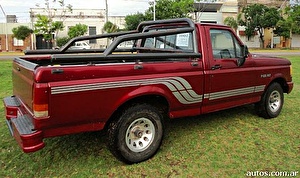
Tyres and wheels for Ford F-100, wheel size on Форд Ф-100
Подбор шин и дисков по автомобилю Форд Ф-100
Другие модели Ford
Ford Aerostar, Ford Aspire, Ford B-Max, Ford Bronco I, Ford Bronco I, Ford Bronco II, Ford Bronco Sport, Ford C-Max, Ford Capri, Ford Capri EV, Ford Classic, Ford Club Wagon, Ford Contour, Ford Cortina, Ford Cougar, Ford Courier, Ford Crown Victoria, Ford E-150 Econoline, Ford E-250 Econoline, Ford E-350 Econoline, Ford E-Transit, Ford Ecosport, Ford Edge, Ford Edge L, Ford Edge Plus, Ford Endeavour, Ford Endura, Ford Equator, Ford Equator Sport, Ford Escape, Ford Escort, Ford Escort ZX2, Ford Everest, Ford Evos, Ford Excursion, Ford Expedition, Ford Explorer, Ford Explorer EV, Ford Explorer Sport Trac, Ford F-100, Ford F-150, Ford F-150 Lightning, Ford F-150 SVT Lightning, Ford F-250, Ford F-350, Ford F-450 Super Duty, Ford F150, Ford Fairlane, Ford Fairmont, Ford Falcon, Ford Festiva, Ford Fiesta, Ford Fiesta Active, Ford Fiesta Classic, Ford Fiesta Ikon, Ford Figo, Ford Five Hundred, Ford Flex, Ford Focus, Ford Focus Active, Ford Focus C-MAX, Ford Focus Electric, Ford Focus Shooting Brake, Ford Freestar, Ford Freestyle, Ford Fusion, Ford Fusion USA, Ford Galaxie 500, Ford Galaxy, Ford Gran Torino, Ford Granada, Ford Grand C-MAX, Ford Grand Tourneo Connect, Ford GT, Ford Ikon, Ford Ka, Ford Ka Freestyle, Ford Ka+ Active, Ford Kuga, Ford Laser, Ford Lobo, Ford LTD, Ford Maverick, Ford Mondeo, Ford Mondeo Sport, Ford Mustang, Ford Mustang Boss 302, Ford Mustang Cobra, Ford Mustang Mach 1, Ford Mustang Mach-E, Ford Mustang Roush, Ford Mustang Saleen, Ford Mustang Shelby GT350, Ford Mustang Shelby GT350, Ford Mustang Shelby GT500, Ford Orion, Ford P100, Ford Probe, Ford Puma, Ford Ranchero, Ford Ranger, Ford Ranger Sport, Ford S-Max, Ford Scorpio, Ford Sierra, Ford Sport Trac, Ford SportKa, Ford StreetKa, Ford Taurus, Ford Taurus SE/SEL, Ford Taurus SHO, Ford Taurus X, Ford Territory, Ford Thunderbird, Ford Tourneo, Ford Tourneo Connect, Ford Tourneo Courier, Ford Tourneo Custom, Ford Transit, Ford Transit 150, Ford Transit 250, Ford Transit 350, Ford Transit 350 HD, Ford Transit Connect, Ford Transit Courier, Ford Transit Custom, Ford Transit T8, Ford Windstar,Параметры дисков на Форд Ф-100
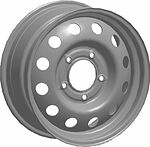
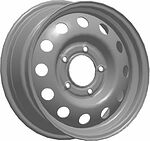
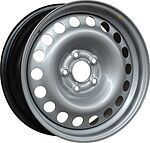
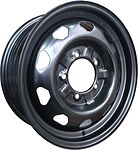
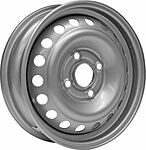
- PCD 5x139.7 диаметром от 15 до 16, шириной от 4.5K до 5.5K и профилем от ET16 до ET16
Tires on Ford F-100
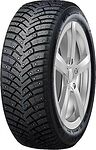
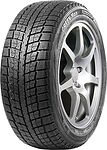
- Tyre size from R15 to R17, width from 175 to 205 and profile from 45 to 65.
- Minimum tyre size: 175/65 R15, maximum: 8.15B15LT






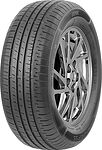

Tires on Ford F-100 (Форд)
The Ford F-100 was produced from the beginning of 1953 to the end of 1983, going through several distinct generations. Over these years, the model changed its frame, materials, electrical equipment layout, and even character, but remained a honest working pickup truck.First Generation
The transition from the previous F-1 model to the F-100 was accompanied by a serious revision of the design. The frame was strengthened with new crossmembers, the crossbars became wider, and some elements were made of thicker high-strength steel. The suspension remained traditional — springs with a rear axle — but engineers added adjustable bushings and more rigid mounts to improve directional stability when driving under heavy load.
Engines during these years were simple but durable: inline-sixes and V8s with thick-walled cast-iron blocks, mechanical fuel pumps, and air filters on metal mesh. The electrical system was still 6-volt, and the transition to a 12-volt system in 1956 was a technological breakthrough: starters became more powerful, headlights — brighter, and the list of additional equipment — wider.
The cabin by the standards of those years was considered almost luxurious: a front panel with a stamped ornament, vinyl seats with dense filler, and a ceiling with a fabric lining. Wheel discs were stamped, 15-inch, with large holes for brake drum cooling. The buyer could optionally take chrome hubcaps or a reinforced tire for heavy-duty use.
Second Generation
The body became lower and wider, and the subframe was strengthened by spot welding according to a new scheme — this reduced vibrations and provided better stability. V8s with a more developed lubrication system and enlarged oil channels appeared, which increased the resource under prolonged load. On versions with an automatic transmission, an updated transmission with modified hydraulic blocks and more precise switching logic was used.
Inside, a softer plastic panel and seats with spring blocks were used. For working modifications, waterproof rubber mats and instruments with sealed bodies were offered. Discs — still stamped, but with a different profile of the central bowl, to reduce the risk of deformation off-road.
Third Generation
The main feature of the pickup truck of the third iteration, which debuted in 1961, was a new frame architecture and the possibility of ordering an independent front suspension Twin I-Beam. Each beam had its own pivot joint, making the truck's behavior more predictable on bad roads. The frame metal underwent additional anti-corrosion treatment: the zinc layer was increased, and the structure of the primer coating was changed.
Engines became more economical, some versions received improved carburetors with a two-chamber scheme. Generators appeared instead of old mechanical regulators. In the cabin, denser vinyls were used, and in the top trim levels, two-tone trim and electric windshield washers were installed.
Discs for most produced specimens — 15- and 16-inch, with a thicker profile, since the payload capacity increased. It is precisely these types that are most often oriented towards when selecting tires for restoration.
Fourth Generation
The pickup truck of the next iteration of 1967 became more massive, the body seams — cleaner, and the quality of the steel panels was raised due to hot rolling with more stringent geometry control. In some versions, improved brake drums with enlarged cooling ribs were used. The electrical system became more stable, new fuse blocks were added, and in more affluent trim levels, floor carpets made of thick nylon and seats with improved filling appeared.
V8 versions differed by larger oil filters and redesigned collectors, providing better traction at low speeds. Dual-circuit brakes and power steering appeared. Wheel discs — still stamped, but with decorative chrome hubcaps and improved balancing.
Fifth Generation
The pickup truck of the fifth iteration, which appeared in 1973, was distinguished by a more heavy and robust frame. Some elements were made of high-strength low-alloy steel. The suspension was tightened, new silent blocks were added. Already in these years, cast discs began to appear — a rare option, but in demand among those who wanted more stable brake cooling and better appearance. The cabin, in turn, was distinguished by a greater thickness of sound-insulating materials, a new instrument panel, and improved seats. The electrical system was again modernized, acquiring more relays and stabilizers.
Sixth Generation
The pickup truck of the sixth iteration of 1980 was noticeably different from its predecessor by a more aerodynamic body. In addition, the car became significantly lighter due to the modernization of the frame, where aluminum mounting elements appeared. A different steering mechanism and more efficient brakes appeared. Engines received new carburetor units and more accurate fuel supply systems. The cabin became more comfortable: soft plastic panels, improved chairs, and denser fabric inserts. Another important difference was the appearance of 15-inch wheel discs in the "base" version. It is precisely such models that are easiest to find in the online store "Mosavtoshina", where original and compatible options for classic American pickups are presented.
Advantages of selecting tires for the Ford F-100 on our website:
- tires for different years of production of the model are presented, taking into account changes in suspension, load indices, and diameter of standard discs;
- original and compatible stamped or cast discs of popular sizes 15-16 inches are available;
- the selection system automatically takes into account the differences between generations, including options with Twin I-Beam and increased payload capacity;
- specialists will help you choose tires for regular operation, restoration, or mixed conditions, considering the age of these pickups and their sensitivity to sidewall stiffness.