Tyres and wheels for Mitsubishi Galant, wheel size on Митсубисхи Галант
Подбор шин и дисков по автомобилю Митсубисхи Галант
Другие модели Mitsubishi
Mitsubishi 3000 GT, Mitsubishi Airtrek, Mitsubishi Aspire, Mitsubishi ASX, Mitsubishi Attrage, Mitsubishi Bravo, Mitsubishi Carisma, Mitsubishi Challenger, Mitsubishi Chariot, Mitsubishi Chariot Grandis, Mitsubishi Colt, Mitsubishi Colt CZC, Mitsubishi Colt L300, Mitsubishi Colt Plus, Mitsubishi Debonair, Mitsubishi Debonair V, Mitsubishi Delica, Mitsubishi Delica Cargo, Mitsubishi Delica D:2, Mitsubishi Delica D:3, Mitsubishi Delica D:5, Mitsubishi Delica Mini, Mitsubishi Delica Space Gear, Mitsubishi Delica Star Wagon, Mitsubishi Delica Truck, Mitsubishi Delica Van, Mitsubishi Destinator, Mitsubishi Diamante, Mitsubishi Diamante Wagon, Mitsubishi Dignity, Mitsubishi Dingo, Mitsubishi Dion, Mitsubishi Eclipse, Mitsubishi Eclipse Cross, Mitsubishi Eclipse Spider, Mitsubishi eK, Mitsubishi eK Active, Mitsubishi ek Classy, Mitsubishi eK Custom, Mitsubishi eK Space, Mitsubishi eK Space Custom, Mitsubishi eK Wagon, Mitsubishi eK X, Mitsubishi eK X Space, Mitsubishi Emeraude, Mitsubishi Endeavor, Mitsubishi Eterna, Mitsubishi Eterna Sava, Mitsubishi Eterna Sigma, Mitsubishi Expo, Mitsubishi Expo LRV, Mitsubishi Express, Mitsubishi FTO, Mitsubishi Galant, Mitsubishi Galant Fortis, Mitsubishi Galant Fortis Sportback, Mitsubishi Galant Sigma, Mitsubishi Galant Sports, Mitsubishi Grand Lancer, Mitsubishi Grandis, Mitsubishi GTO, Mitsubishi i, Mitsubishi i-MiEV, Mitsubishi Jeep, Mitsubishi L100 EV, Mitsubishi L200, Mitsubishi L300, Mitsubishi L400, Mitsubishi Lancer, Mitsubishi Lancer Cargo, Mitsubishi Lancer Cedia, Mitsubishi Lancer Cedia Wagon, Mitsubishi Lancer Evo IX, Mitsubishi Lancer Evo VII, Mitsubishi Lancer Evo VIII, Mitsubishi Lancer Evo X, Mitsubishi Lancer Evolution, Mitsubishi Lancer Fortis, Mitsubishi Lancer Wagon, Mitsubishi Legnum, Mitsubishi Libero, Mitsubishi Magna, Mitsubishi Maven, Mitsubishi Minica, Mitsubishi Minica Toppo, Mitsubishi Minicab Truck, Mitsubishi Minicab Van, Mitsubishi Minicab-MiEV, Mitsubishi Mirage, Mitsubishi Mirage Asti, Mitsubishi Mirage G4, Mitsubishi Montero, Mitsubishi Montero Sport, Mitsubishi Nativa, Mitsubishi Nimbus, Mitsubishi Outlander, Mitsubishi Outlander Sport, Mitsubishi Outlander XL, Mitsubishi Pajero, Mitsubishi Pajero iO, Mitsubishi Pajero Jr, Mitsubishi Pajero Mini, Mitsubishi Pajero Pinin, Mitsubishi Pajero Sport, Mitsubishi Pajero TR4, Mitsubishi Pistachio, Mitsubishi Proudia, Mitsubishi Raider, Mitsubishi RVR, Mitsubishi RVR Roadest, Mitsubishi Shogun, Mitsubishi Shogun Sport, Mitsubishi Sigma, Mitsubishi Space Gear, Mitsubishi Space Runner, Mitsubishi Space Star, Mitsubishi Space Wagon, Mitsubishi Starion, Mitsubishi Strada, Mitsubishi Toppo, Mitsubishi Toppo BJ, Mitsubishi Toppo BJ Wide, Mitsubishi Town Box, Mitsubishi Town Box Wide, Mitsubishi Triton, Mitsubishi Verada, Mitsubishi Xforce, Mitsubishi Xpander, Mitsubishi Xpander Cross,Параметры дисков на Митсубисхи Галант
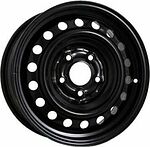
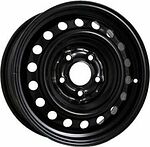
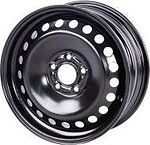
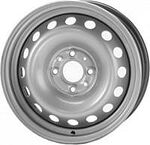
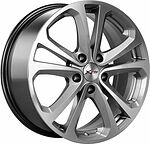
- PCD 4x114.3 диаметром от 14 до 14, шириной от 5.5 до 5.5 и профилем от ET46 до ET46как у Eagle Summit
- PCD 5x114.3 диаметром от 16 до 16, шириной от 6.5 до 6.5 и профилем от ET46 до ET46как у Honda CR-V
Tires on Mitsubishi Galant
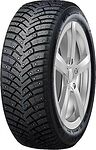
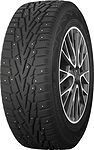
- Tyre size from R14 to R18, width from 185 to 255 and profile from 35 to 70S
- Minimum tyre size: 165 R14, maximum: 255/35 R18
Favorite summer tires
Наиболее популярные модели шин








Tires on Mitsubishi Galant (Митсубисхи)
The Mitsubishi Galant is a mid-size car in the D segment. It was produced from 1969 to 2012 and became one of the best-selling models of the Japanese brand. During its production, more than 5 million units were sold.Initial Version
The appearance of this model is dated back to December 1969, when the Japanese brand introduced the compact Colt Galant car. For the first few years, it was available only in one body type - a 4-door sedan. In 1970, the lineup was supplemented with a station wagon and a coupe with a hardtop. The car was equipped with Saturn series engines with a volume of 1.3 to 1.6 liters. Later, the engine range was supplemented with a more powerful 1.7-liter power unit. In 1973, the brand introduced a model of the next generation, which was a deeply modernized predecessor, retaining the main design features and dimensions. The engine range consisted of improved engines from the previous generation, with more powerful units added.Model A120/A130
The Colt turned into the Galant only in the third generation, which was released in 1976. The model's design was completely redesigned, becoming more aggressive and acquiring features characteristic of American cars of those years. The engine range, compared to its predecessor, remained almost unchanged due to the limited financial resources of the Japanese manufacturer. Everything came down to another modernization of the engines, which allowed reducing fuel consumption and the amount of harmful emissions in the exhaust gases, managing to avoid significant expenses on designing a new cylinder head.Model A160
In 1980, the brand introduced a car of the next generation. The design was again redesigned, making the car visually lighter and more practical in use. The interior gained significantly more space, as did the trunk. Carpet coverings and noise-absorbing mats improved acoustic comfort. An important technical innovation was the appearance of a turbocharged 2-liter "Sirius" engine with 145 horsepower, as well as a 2.3-liter diesel engine, which was also equipped with a turbocharger.Fifth Generation
The car with the E11 index, presented in 1983, fundamentally differed in its layout. For the first time in its history, the model received front-wheel drive. Additionally, a different design with a wedge-shaped front end significantly improved aerodynamics, reducing fuel consumption and noise at high speeds. The new platform retained the dimensions of its predecessor but offered an increased wheelbase and a different transmission layout, providing passengers with much more space in the cabin. In turn, the extended rear overhang increased the volume of the luggage compartment from 272 to 360 liters.Sixth Generation
The car became truly popular in the 6th generation, which was introduced in 1987. The model became significantly taller than its predecessor, receiving a more "rounded" exterior design, which again increased the interior space. Technically, the car remained the same, using the same platform as before, but at the same time became a "testing ground" for new components. In particular, it was here that the Japanese brand began to use the Dynamic ECS pneumatic suspension with electronic control.7th and 8th Generation
In the new iteration of the car, presented in 1992, the technical perfection of the model continued. The engine range included an "atmospheric" V6 from the sports model FTO, which showed its 200 horsepower only at high revs. At the same time, the chassis fully corresponded to the power unit. In the front part, a "multi-link" appeared with one lower and two upper arms. The rear part got rid of the beam, also switching to a multi-link scheme. Later, this solution was almost unchanged in the sports Eclipse of the 2nd generation. In 1996, a car of the next generation appeared, which, in essence, became a further development of the concept of a sports sedan and station wagon. In particular, there were modifications with a V-shaped "six" with a volume of 2.5 liters with two turbochargers. In addition, the most powerful modifications used the AYC traction control system from Lancer Evolution.9th Generation
The decline in popularity of the car began with the debut of the 9th generation model, presented in 2004. It was available only in a sedan body, and the station wagon was withdrawn from the lineup. The car's design lost any "sporty" features of its predecessor. The engine range did not undergo significant changes, especially in the part that ensured the largest number of sales. In addition to the old engines, which were not distinguished by fuel efficiency and performance, the car became much simpler in its chassis design, which returned to the standard layout of those years. In 2006, the production of the car was discontinued. Nevertheless, a significant number of specimens of this model, especially of the generations presented in the mid-90s, can often be found on our roads. Tires and wheels for them continue to be in demand in the online store "Mosavtoshina".Advantages of selecting tires for Mitsubishi Galant on our website:
- a wide range of tires for sports sedans of Japanese brands, designed for various operating conditions;- an automated selection system allows you to find the most suitable models for this car directly on our website;
- a large number of steel and alloy wheels in the catalog from leading manufacturers worldwide;
- our managers will quickly eliminate any difficulties in searching and selecting, providing the most complete information on each of the options that interest you.