Tyres and wheels for Opel Kadett, wheel size on Опел Кадетт
Подбор шин и дисков по автомобилю Опел Кадетт
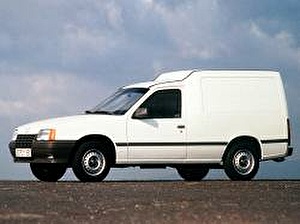
Другие модели Opel
Opel Adam, Opel Admiral, Opel Agila, Opel Ampera, Opel Ampera-e, Opel Antara, Opel Arena, Opel Ascona, Opel Astra, Opel Astra Classic, Opel Astra Family, Opel Astra G, Opel Astra GTC, Opel Astra H, Opel Astra J, Opel Astra J GTC, Opel Astra OPC, Opel Astra Sports Tourer, Opel Cabrio, Opel Calibra, Opel Campo, Opel Cascada, Opel Combo, Opel Combo Cargo, Opel Combo Life, Opel Combo Tour, Opel Corsa, Opel Corsa OPC, Opel Corsa Van, Opel Crossland, Opel Crossland X, Opel Frontera, Opel Grandland, Opel Grandland X, Opel GT, Opel Insignia, Opel Insignia Country Tourer, Opel Insignia OPC, Opel Insignia Sports Tourer, Opel Kadett, Opel Karl, Opel Manta, Opel Meriva, Opel Mokka, Opel Mokka X, Opel Monterey, Opel Movano, Opel Omega, Opel Rekord, Opel Rocks, Opel Rocks-e, Opel Senator, Opel Signum, Opel Sintra, Opel Speedster, Opel Tigra, Opel Vectra, Opel Vectra B, Opel Vectra C, Opel Vita, Opel Vivaro, Opel Zafira, Opel Zafira Life, Opel Zafira Tourer, Opel Zafira Tourier,Параметры дисков на Опел Кадетт
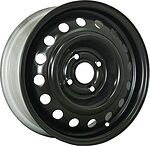
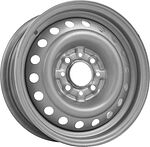
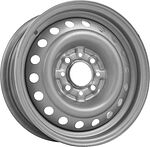
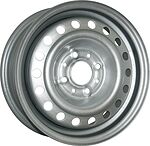
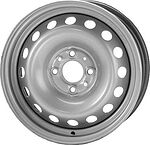
- PCD 4x100 диаметром от 13 до 14, шириной от 4.5 до 5.5 и профилем от ET49 до ET49как у Daewoo Nexia
Tires on Opel Kadett
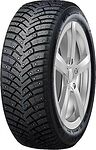
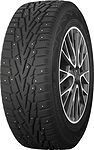
- Tyre size from R13 to R17, width from 175 to 205 and profile from 50 to 80.
- Minimum tyre size: 145S R13, maximum: 205/55 R16







Tires on Opel Kadett (Опел)
The Opel Kadett, revived in the early 1960s after a break following the end of World War II, became a starting point for the brand's new era of compact cars. The Germans needed to offer the consumer an affordable, low-maintenance, and economical car that could fit into the rapidly changing European automotive market. With the appearance of the Kadett A in 1962, Opel relied on a simple design, good repairability, and a modern approach to layout for its time — and, having guessed correctly, continued to develop the model over several generations until the late 1980s.The First Post-War Generation
The 1962 Kadett A was built on a new platform and targeted an audience seeking a maximally understandable and economical vehicle. The car was equipped with compact gasoline engines with a volume of 1.0-1.1 liters and rear-wheel drive. It was distinguished by a lightweight body and moderate price — due to which it was in demand as a family car and as a "workhorse" for short urban trips. In this version, the recognizable combination of simplicity of design and practicality first appeared, which became one of the key features of the subsequent versions of this model.
Further Development of the Line
The second-generation car, which appeared in 1965, continued the concept of its predecessor but significantly expanded it in terms of functionality: the body was increased, the engine range included engines up to 1.9 liters, and the chassis was significantly updated.
The next major step was the Kadett C of 1973 — a model that shared a platform with cars from the North American GM concern and enjoyed enormous popularity. The car had a classic layout with a front-mounted engine, rear-wheel drive, independent front suspension, and a semi-dependent beam at the rear, distinguished by exceptional reliability even for its time.
New Architecture and a Shift towards Modernity
Cardinal changes came with the model with the D index, which debuted in 1979. Unlike its predecessor, it was distinguished by a layout with front-wheel drive. This allowed for a significant increase in ride comfort and an increase in interior space. Another innovation was the newly appeared Family engines, which were characterized by high specific power, fuel efficiency, and significant resource.
The last in the history of the model was the Kadett E, presented in 1984. The car retained the features of the easily recognizable design of its predecessor, becoming much more efficient in terms of aerodynamics. The engine range included Family engines of the next generation, which were equipped with an electronically controlled fuel injection system. The lineup included a "charged" version with a 2-liter power unit, which was not positioned as such but was due to the extremely attractive ratio of horsepower to vehicle weight.
Wheels and tires for the Opel Kadett, depending on the generation, have a mounting diameter of 13 to 14 inches, which is characteristic of compact models of those years. Such sizes are conveniently selected in the online store "Mosavtoshina", where there are options both for the original style of the Kadett of any generation and for modern products that improve stability on the track and improve traction at urban speeds.
Advantages of selecting tires for the Opel Kadett on our website:
- it's easy to choose tires that allow compensating for the age of the "Kadett" suspension, improving stability and reducing vibrations on uneven roads;
- a wide range of 13-14 inch models helps to find an optimal solution for rare sizes, extending the life of the suspension and increasing safety;
- modern energy-efficient tires presented in the catalog reduce fuel consumption;
- the search for suitable tires and wheels is often accompanied by profitable offers and fast delivery, which makes updating the wheel set as simple and economical as possible.