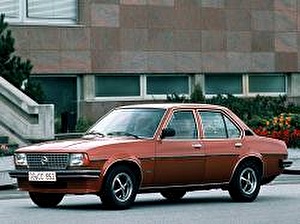
Tyres and wheels for Opel Ascona, wheel size on Опел Ассона
Подбор шин и дисков по автомобилю Опел Ассона
Другие модели Opel
Opel Adam, Opel Admiral, Opel Agila, Opel Ampera, Opel Ampera-e, Opel Antara, Opel Arena, Opel Ascona, Opel Astra, Opel Astra Classic, Opel Astra Family, Opel Astra G, Opel Astra GTC, Opel Astra H, Opel Astra J, Opel Astra J GTC, Opel Astra OPC, Opel Astra Sports Tourer, Opel Cabrio, Opel Calibra, Opel Campo, Opel Cascada, Opel Combo, Opel Combo Cargo, Opel Combo Life, Opel Combo Tour, Opel Corsa, Opel Corsa OPC, Opel Corsa Van, Opel Crossland, Opel Crossland X, Opel Frontera, Opel Grandland, Opel Grandland X, Opel GT, Opel Insignia, Opel Insignia Country Tourer, Opel Insignia OPC, Opel Insignia Sports Tourer, Opel Kadett, Opel Karl, Opel Manta, Opel Meriva, Opel Mokka, Opel Mokka X, Opel Monterey, Opel Movano, Opel Omega, Opel Rekord, Opel Rocks, Opel Rocks-e, Opel Senator, Opel Signum, Opel Sintra, Opel Speedster, Opel Tigra, Opel Vectra, Opel Vectra B, Opel Vectra C, Opel Vita, Opel Vivaro, Opel Zafira, Opel Zafira Life, Opel Zafira Tourer, Opel Zafira Tourier,Параметры дисков на Опел Ассона
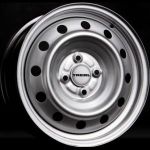
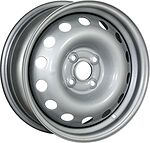
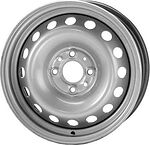
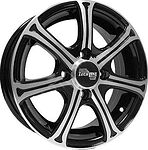
- PCD 4x100 диаметром от 13 до 13, шириной от 5 до 5.5 и профилем от ET37 до ET49как у Daewoo Nexia

Tires on Opel Ascona
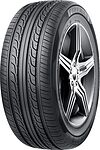
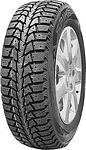
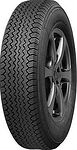
- Tyre size from R13 to R13, width from 165 to 185 and profile from 70S to 80.
- Minimum tyre size: 155S R13, maximum: 185/70S R13








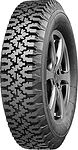
Tires on Opel Ascona (Опел)
The Opel Ascona was introduced in 1970 and positioned by the German brand as a mid-size family car. In the model range, it occupied an intermediate position between the Kadett and the larger Rekord. Almost immediately, it became a key model for the brand, remaining popular for nearly two decades. It combined a rational design, a wide range of power units, and a high level of equipment by the standards of its time, allowing the model to successfully compete with popular European sedans.First Generation
The debut model, known as the Ascona A, was designed as a practical alternative to European sedans of the early 1970s - such as the Ford Taunus and the early Volkswagen Passat series. Unlike many competitors, the novelty was immediately offered in two bodies: a classic 2- or 4-door sedan and a practical Caravan station wagon.
From a technical point of view, the Ascona A adhered to a proven layout: a longitudinally installed engine, rear-wheel drive, and a non-independent rear axle on springs. However, the engineers paid great attention to the suspension balance. The front scheme of the McPherson type made it possible to achieve accurate steering, and the optimized geometry of the rear axle ensured stability at high speeds - a quality that was rarely found in the mass segment at that time.
The engine range consisted of inline petrol "fours" with a volume of 1.2 to 1.9 liters. The engines were distinguished by their simplicity of maintenance and high repairability. Unlike competitors, where less powerful base engines were often used, the top versions of the Ascona developed up to 90 horsepower, making the car quite dynamic for its class. Already in the early versions, you could find disc brakes in the front and more luxurious equipment, including improved ventilation of the salon and high-quality finishing materials.
Second Generation
In 1975, the Ascona B was released to the market, which was significantly redesigned both externally and technically. The design became more strict and angular. The body received a structure with reinforced elements, which, along with the optimization of deformation zones, significantly increased the level of passive safety.
An important distinction of the second generation was the engine range, which became significantly wider. In addition to the base engines of 1.3 and 1.6 liters, more powerful versions with a volume of 2.0 liters appeared, which were also used in sports modifications. These engines were distinguished by an improved intake system and an increased compression ratio. As a result, the power reached 110 horsepower, which put the Ascona among the most dynamic cars in its segment.
The suspension also underwent modernization. The engineers changed the characteristics of the shock absorbers and stabilizers of transverse stability, thanks to which the car became better at holding the trajectory on winding roads.
Third Generation
The next generation with the index C appeared in 1981. The car radically differed from its predecessors, receiving a platform with front-wheel drive and a transverse engine arrangement. This significantly increased the space in the salon and reduced the weight of the car. Its body was much more efficient in terms of aerodynamics, demonstrating an air resistance coefficient of only 0.36.
The engine range included petrol engines with a volume of 1.3 to 2.0 liters, as well as diesel versions 1.6D and 1.7D. The top petrol versions were equipped with the Bosch L-Jetronic fuel injection system, which increased efficiency and reduced fuel consumption. In combination with a 5-speed manual transmission, this provided good fuel economy on the highway.
The equipment also became significantly higher. Depending on the configuration, the car could receive a central lock, electric windows, an improved audio system, and a more developed ventilation system. Against the background of competitors, the model was favorably distinguished by a combination of economy, practicality, and thoughtful ergonomics. In 1988, the production of the Ascona was completed: it was replaced by the Opel Vectra model, which inherited the platform and technical solutions of the last generation.
The practicality of the Opel Ascona design is also reflected in the choice of wheels. For different generations, wheels with a mounting diameter of 13 and 14 inches were used, the most common tire sizes being 165/80 R13, 175/70 R13, and 185/70 R13. Such parameters provide an optimal balance of comfort, manageability, and operating costs, so it is convenient to select suitable disks and tires in the online store "Mosavtoshina", where options are presented for both everyday driving and restoration projects of such cars.
Advantages of selecting tires for the Opel Ascona on our website:
- a wide range of tires, compiled from models of different brands, allows you to choose the optimal option for calm city driving or more dynamic driving;
- a large selection of steel and alloy wheels with recommended manufacturer parameters;
- a flexible pricing system due to regular discounts and special promotions allows you to purchase kits at a more favorable price;
- the possibility of getting help from specialists will help you quickly select compatible wheels and tires, taking into account the characteristics of a specific generation of this model and the conditions of its operation.