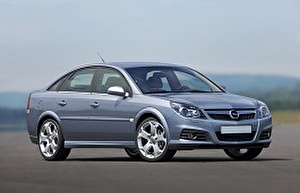
Tyres and wheels for Opel Vectra, wheel size on Опел Вестра
Подбор шин и дисков по автомобилю Опел Вестра
Другие модели Opel
Opel Adam, Opel Admiral, Opel Agila, Opel Ampera, Opel Ampera-e, Opel Antara, Opel Arena, Opel Ascona, Opel Astra, Opel Astra Classic, Opel Astra Family, Opel Astra G, Opel Astra GTC, Opel Astra H, Opel Astra J, Opel Astra J GTC, Opel Astra OPC, Opel Astra Sports Tourer, Opel Cabrio, Opel Calibra, Opel Campo, Opel Cascada, Opel Combo, Opel Combo Cargo, Opel Combo Life, Opel Combo Tour, Opel Corsa, Opel Corsa OPC, Opel Corsa Van, Opel Crossland, Opel Crossland X, Opel Frontera, Opel Grandland, Opel Grandland X, Opel GT, Opel Insignia, Opel Insignia Country Tourer, Opel Insignia OPC, Opel Insignia Sports Tourer, Opel Kadett, Opel Karl, Opel Manta, Opel Meriva, Opel Mokka, Opel Mokka X, Opel Monterey, Opel Movano, Opel Omega, Opel Rekord, Opel Rocks, Opel Rocks-e, Opel Senator, Opel Signum, Opel Sintra, Opel Speedster, Opel Tigra, Opel Vectra, Opel Vectra B, Opel Vectra C, Opel Vita, Opel Vivaro, Opel Zafira, Opel Zafira Life, Opel Zafira Tourer, Opel Zafira Tourier,Параметры дисков на Опел Вестра
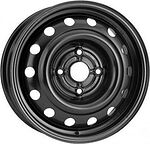
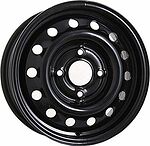
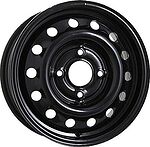
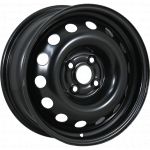
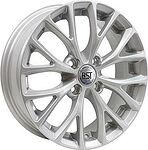
- PCD 4x100 диаметром от 13 до 14, шириной от 5.5 до 5.5 и профилем от ET49 до ET49как у Chevrolet Lanos
- PCD 5x110 диаметром от 15 до 17, шириной от 6.5 до 7 и профилем от ET35 до ET41как у Cadillac BLS
Tires on Opel Vectra
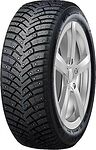
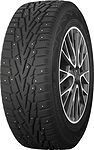
- Tyre size from R14 to R18, width from 175 to 225 and profile from 40 to 70
- Minimum tyre size: 165S R13, maximum: 225/50 R16
Наиболее популярные модели шин







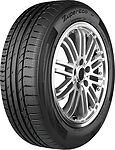

Tires on Opel Vectra (Опел)
The Opel Vectra was produced from 1988 to 2010. The mid-size car was positioned as the successor to the Ascona model, later giving way to the Insignia.Body A
The debut of the mid-size car took place in 1988. It was a 4-door sedan that replaced the Opel Ascona. A 5-door hatchback appeared in the spring of 1989, and a coupe appeared six months later, which was separated from the lineup by the name Calibra. All cars were designed by Opel's then-designer Wayne Cherry. Initially, the engine range consisted of Family II series engines with a volume of 1.4 to 2 liters and a power of 75 to 130 horsepower. In the fall of 1989, a 2-liter inline "four" with 16 valves and a power of 150 horsepower was added to it. It was installed only on a sedan with a four-wheel drive transmission. In turn, the hatchback received a turbocharged version of this engine with a power of 204 horsepower in September 1992. In the later stages of serial production, modifications with a V6 engine with a volume of 2.5 liters appeared, which were good on high-speed highways.Body B
In October 1995, the second-generation model was introduced. In addition to the design, the novelty was distinguished by the presence of a "station wagon" body. The advertising slogan for this version is "One step ahead of the mafia". The base engine for the car was an inline "four" with a volume of 1.6 liters of the Family I series. Over several years, 8-valve engines were replaced by more advanced power units with 16 valves from the Family II series. At the same time, the flagship remained a V6 with a volume of 2.5 liters. In addition, the lineup included diesel engines from Isuzu with a volume of 1.7 liters and their own development from the Ecotec series with a volume of 2 and 2.2 liters. Before being discontinued, a new 2.2-liter gasoline engine and a modified V6 engine with a volume of 2.6 liters with improved "ecology" appeared on this car.Body C
The car of the third iteration, presented in 2002, used the Epsilon platform from GM. Initially, sedan and hatchback versions were available. The station wagon was added in the fall of 2003. The car differed from its predecessor in increased dimensions and weight. To a large extent, this was due to a revision of the powertrain lineup, the base of which was a 1.8-liter gasoline "four" with a power of 121 horsepower. However, the overwhelming majority of sales were modifications with a 2.2-liter Ecotec engine with a power of 145 horsepower. The top of the lineup was, as before, a V6 with a cylinder bank angle of 54 degrees, a volume of 3.2 liters, and a power of 208 horsepower. The diesel part was represented by engines of their own design, CDTI, with a volume of 1.9 to 2.2 liters, as well as a commercial Isuzu DMAX V6 engine with a power of 177 horsepower. After the 2005 update, the car began to be equipped with a V6 with one, and later with two turbines, with a power of up to 248 horsepower. In particular, this engine was equipped with the "charged" OPC version. Despite being discontinued back in 2008, this car is still present on our roads in a fairly large quantity, from time to time requiring replacement of tires and wheels. A wide range of this products can be found in the "Mosavtoshina" online store.Advantages of selecting tires for Opel Vectra on our website:
- our catalog is constantly updated with new products, containing a large number of models that have already proven themselves on the positive side;- high-quality search thanks to the use of an automated selection system with a simple interface;
- the presence in the catalog of positions, both from the original equipment and their analogs from third-party manufacturers;
- if necessary, you can contact our employees for help in selecting and purchasing.