Tyres and wheels for Kia Cadenza, wheel size on Киа Саденза
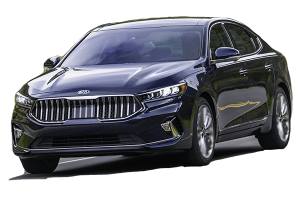
Другие модели Kia
Kia 300E, Kia Amanti, Kia Avella, Kia Besta, Kia Bongo, Kia Borrego, Kia Cadenza, Kia Capital, Kia Carens, Kia Carens Clavis, Kia Carnival, Kia Carstar, Kia Cee'd, Kia Ceed, Kia Cerato, Kia Cerato Classic, Kia Cerato K3, Kia Cerato Koup, Kia Cerato Vivro, Kia Clarus, Kia Credos, Kia Elan, Kia Enterprise, Kia EV2, Kia EV3, Kia EV4, Kia EV5, Kia EV6, Kia EV9, Kia Forte, Kia Forte Koup, Kia Forte R, Kia Forte5, Kia Frontier, Kia Grand Carnival, Kia Joice, Kia K2, Kia K2500, Kia K2700, Kia K3, Kia K3 Cross, Kia K3 GT, Kia K3 Koup, Kia K3000, Kia K4, Kia K4 Cachet, Kia K5, Kia K7, Kia K8, Kia K9, Kia K900, Kia KX cross, Kia KX1, Kia KX3, Kia KX5, Kia KX7, Kia Lotze, Kia Magentis, Kia Mentor, Kia Mohave, Kia Morning, Kia Morning X-Line, Kia Niro, Kia Niro Plus, Kia Opirus, Kia Optima, Kia Pegas, Kia Picanto, Kia Picanto Cross, Kia Picanto X-Line, Kia Potentia, Kia Pregio, Kia Pride, Kia pro_Cee'd, Kia pro_Cee'd, Kia Pro_ceed, Kia ProCeed, Kia PV5, Kia Quoris, Kia Ray, Kia Retona, Kia Rio, Kia Rio Cross, Kia Rio X, Kia Rio X-Line, Kia Rio5, Kia Roadster, Kia Rondo, Kia Sedona, Kia Seltos, Kia Sephia, Kia Shuma, Kia Soluto, Kia Sonet, Kia Sorento, Kia Sorento L, Kia Sorento Prime, Kia Soul, Kia Spectra, Kia Spectra Wing, Kia Spectra5, Kia Sportage, Kia Sportage Ace, Kia Sportage R, Kia Stinger, Kia Stonic, Kia Syros, Kia Tasman, Kia Telluride, Kia Tonic, Kia Towner, Kia Venga, Kia Vigato, Kia Visto, Kia X-Line, Kia X-Trek, Kia XCeed,Параметры дисков на Киа Саденза
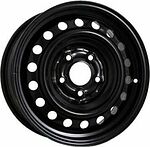
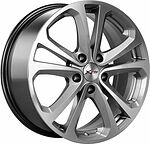
- PCD 5x114.3 диаметром от 17 до 18, шириной от 7 до 7.5 и профилем от ET41 до ET48как у Hyundai Sonata
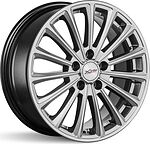

Tires on Kia Cadenza
- Tyre size from R17 to R19, width from 225 to 245 and profile from 40 to 55.
- Minimum tyre size: 225/55 R17, maximum: 245/45 R18





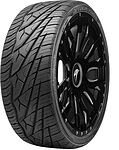


Tires on Kia Cadenza (Киа)
The Kia Cadenza sedan was introduced in 2009 as the flagship front-wheel drive model of the brand, intended for the markets of North America, the Middle East, and Asia. The car occupied a niche above the "Optima" and was positioned as the successor to the Kia Opirus sedan, differing from it with a more modern exterior design and technological platform. In its segment, the model competed with the Toyota Avalon, Nissan Maxima, and Hyundai Azera. It differed from them with a wide range of equipment already in the "base" and business-class comfort. The emphasis was on offering a car close to "premium" in terms of equipment, but at a significantly lower cost.First Generation Comfort
The debut model of the sedan, which was offered on the domestic market as the K7, was created on a new front-wheel drive Type-N platform with a transverse engine and independent suspension of all wheels. MacPherson struts were used at the front, and a multi-link scheme was used at the rear, oriented towards a smooth ride.
The engine lineup included atmospheric V6 engines of the Lambda series. The most common version was a 3.5-liter engine with 290 horsepower, working in conjunction with a 6-speed automatic transmission. In some countries, versions with more economical four-cylinder engines and a hybrid modification were also offered.
The main difference between the "Cadenza" and its competitors was the level of equipment. Already in the initial configurations, the car received a leather salon, electric driver's seat, 2-zone climate control, and a keyless entry system. In more expensive versions, there were ventilated seats, a panoramic roof, a premium audio system, and adaptive cruise control.
The interior of the sedan was distinguished by a thoughtful ergonomics. The central console was oriented towards the driver, and the instrument panel combined traditional analog scales with a multifunctional display. The large wheelbase provided space in the second row, thanks to which this car was often considered as an alternative to representative sedans of more expensive brands.
Second Generation Technologies
In the second generation, presented in 2016, the model received a completely redesigned body architecture with increased stiffness and improved noise insulation. The design became more rigorous: the corporate radiator grille "tiger nose" expanded, and the body line acquired more stretched proportions.
The technical part also changed. The main power unit was a modernized atmospheric V6 engine with a volume of 3.3 liters, developing the same 290 horsepower as its predecessor. It worked in conjunction with a new 8-speed automatic transmission. This combination provided smooth acceleration and more economical fuel consumption compared to the previous generation. The suspension was retuned for a better balance between comfort and handling. The car became more stable at high speeds, and the drive mode selection system allowed changing the engine response, transmission algorithms, and steering effort.
The equipment of the second generation approached the premium segment. Among the options were fully LED optics, a digital instrument panel, a projection display, and a multimedia system with a large touch screen. The safety system complex included automatic braking, lane keeping, blind spot monitoring, and adaptive cruise control. Against the background of "classmates" from Nissan and Toyota, the Kia sedan stood out with richer standard equipment and soft suspension settings. While many competitors sought to emphasize the sporty character, in this model, the emphasis was on a quiet salon, smooth ride, and comfort of long trips.
This was largely ensured by noise insulation. The use of multi-layered glass, additional sound-absorbing material in the doors and engine compartment, made it possible to reduce the noise level in the cabin. In the interior, soft plastics, decorative inserts under wood or metal, as well as high-quality Nappa leather in expensive configurations were used. The front seats had electric drives, memory settings, heating, and ventilation. The multimedia system supported smartphone integration and voice control, and the premium-class audio system provided clear sound even at high volume. For rear passengers, separate ventilation deflectors, heated seats, and increased legroom were provided. All this made the Cadenza one of the most comfortable cars in its segment, oriented towards drivers who value quiet driving, a spacious salon, and a high level of equipment.
The sedan came with wheels with a mounting diameter from 17 to 19 inches as standard. Such parameters allow selecting the optimal combination of comfort and handling, and the wide choice of tire models and disks makes purchasing through the "Mosavtoshina" online store a convenient and rational solution for the owners of this car.
Advantages of selecting tires on our website for Kia Cadenza:
- A large number of tires from leading world manufacturers are constantly available, allowing you to choose options based on the owner's priorities; - A wide selection of alloy wheels with various designs, including "factory" ones, makes it possible to emphasize the status of the sedan and choose the optimal variant for a specific tire size; - The possibility of purchasing wheel products at a reduced price within the framework of special promotions and offers; - Specialists will help eliminate any difficulties with searching and selecting the optimal disks and tires.