Tyres and wheels for Suzuki XL7, wheel size on Сузуки ХЛ7
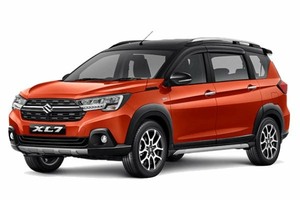
Другие модели Suzuki
Suzuki Across, Suzuki Aerio, Suzuki Aerio Sedan, Suzuki Alivio, Suzuki Alto, Suzuki Alto 800, Suzuki Alto C, Suzuki Alto C2, Suzuki Alto Eco, Suzuki Alto Hustle, Suzuki Alto K10, Suzuki Alto Lapin, Suzuki Alto Works, Suzuki APV, Suzuki Baleno, Suzuki Brezza, Suzuki Cappuccino, Suzuki Cara, Suzuki Carry, Suzuki Celerio, Suzuki Cervo, Suzuki Cervo Classic, Suzuki Cervo Mode, Suzuki Ciaz, Suzuki Cultus, Suzuki Cultus Crescent, Suzuki Cultus Crescent Wagon, Suzuki Cultus Esteem, Suzuki Cultus Wagon, Suzuki Dzire, Suzuki e Every, Suzuki e Vitara, Suzuki Eeco, Suzuki Equator, Suzuki Ertiga, Suzuki Ertiga XL7, Suzuki Escudo, Suzuki Esteem, Suzuki Every, Suzuki Every Landy, Suzuki Every Plus, Suzuki Every Wagon, Suzuki Forenza, Suzuki Fronx, Suzuki Grand Escudo, Suzuki Grand Nomade, Suzuki Grand Vitara, Suzuki Grand Vitara XL7, Suzuki Hustler, Suzuki Ignis, Suzuki Invicto, Suzuki Jimny, Suzuki Jimny L, Suzuki Jimny Nomade, Suzuki Jimny Sierra, Suzuki Jimny Wide, Suzuki Karimun, Suzuki Karimun Estilo, Suzuki Karimun Wagon R, Suzuki Kei, Suzuki Kei Sport, Suzuki Kei Works, Suzuki Kizashi, Suzuki Landy, Suzuki Lapin, Suzuki Liana, Suzuki MR Wagon, Suzuki MR Wagon WIT, Suzuki Palette, Suzuki Palette SW, Suzuki Reno, Suzuki S-Cross, Suzuki S-Presso, Suzuki Samurai, Suzuki Sidekick, Suzuki Solio, Suzuki Solio Bandit, Suzuki Spacia, Suzuki Spacia Custom, Suzuki Spacia Custom Z, Suzuki Spacia GEAR, Suzuki Splash, Suzuki Super Carry, Suzuki Super Carry Pro, Suzuki Swace, Suzuki Swift, Suzuki Swift Sport, Suzuki SX4, Suzuki SX4 S-Cross, Suzuki SX4 Sedan, Suzuki Twin, Suzuki Verona, Suzuki Vitara, Suzuki Vitara Brezza, Suzuki Wagon R, Suzuki Wagon R RR, Suzuki Wagon R Smile, Suzuki Wagon R Solio, Suzuki Wagon R Stingray, Suzuki Wagon R Wide, Suzuki Wagon R+, Suzuki X-90, Suzuki Xbee, Suzuki XL-7, Suzuki XL6, Suzuki XL7,Параметры дисков на Сузуки ХЛ7
Tires on Suzuki XL7
- Tyre size from R16 to R16, width from 195 to 195 and profile from 60 to 60.
- Minimum tyre size: 195/60 R16, maximum: 195/60 R16
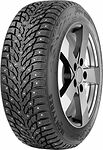 12 030 ₽Ikon Autograph Ice 9 195/60 R16 93T XLNew item
 РОССИЯ
- Ikon Tyres unlimited extended warrantyМы бесплатно отремонтируем или заменим шину при случайном повреждении




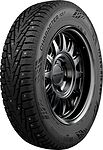


Tires on Suzuki XL7 (Сузуки)
The introduction of the Suzuki XL7 in 1998 to the Japanese brand's model lineup was due to the popularity of mid-size crossovers designed for 7 seats. Unlike most of its "classmates," this model offered a combination of wide off-road capabilities with practicality when used as a family vehicle, which allowed it to attract a wide audience of buyers. It existed in the brand's production range until 2009, changing not only the generation of serial production but also the concept during this time. The debut generation was essentially a frame-based SUV, while the final one differed in a more "passenger" concept with an emphasis on comfort and handling, primarily on paved roads.First Generation: Off-Road Construction and Potential
The car that debuted in 1998 was created on a platform from the Grand Vitara, in a modified version that differed in an increased distance between the wheel axles but retained the layout with the integration of the frame into the body. This provided the entire structure with high strength and resistance to deformation. The increased wheelbase made it possible to implement a full-fledged seven-seat layout, and the "gallery" remained functional even for adult passengers on short distances.
Most of the released instances were equipped with a 2.7-liter V6 gasoline engine, with a power of 173 horsepower and a torque of 244 Nm. Depending on the market, a 5-speed manual transmission or a 5-range "automatic" was offered. The all-wheel-drive system with the possibility of connecting the front axle and a reduction gear provided confident movement on complex surfaces. The suspension combined an independent front scheme and a dependent rear axle, making the design durable and suitable for operation off the asphalt. The clearance exceeded 200 mm, and the short overhangs improved the geometric passability.
Second Generation: GM Platform and New Philosophy
In 2006, the second generation of the XL7 debuted, developed in partnership with General Motors. The model received a bearing body and a platform unified with a number of crossovers from the American concern. This allowed significantly reducing the mass and improving behavior on the road. The main power unit was a 3.6-liter V6 gasoline engine, with a power of 252 horsepower and a torque of 329 Nm. It was combined with a 5-speed automatic transmission. The drive in the base versions was front-wheel, while in more expensive versions, an all-wheel-drive system without a reduction gear was offered. The fully independent suspension changed the character of the model. The smoothness of the ride improved, the level of vibration decreased, and the handling became closer to passenger cars. However, the off-road capabilities decreased, reflecting the change in concept, oriented towards the maximum number of potential buyers.
Interior, Ergonomics, and Equipment
The interior of the first generation was distinguished by a utilitarian approach, with simple materials and a minimal set of equipment. The main attention was paid to capacity and reliability. The second generation offered a more modern interior, with improved ergonomics and quality of finish. Multimedia systems with 6.5-inch displays appeared, climate control, leather trim in older versions, as well as an expanded set of safety systems. The instrument panel became more informative, and the level of noise insulation increased significantly. The third row of seats was preserved but became more comfortable due to the changed geometry of the body.
Dynamics and Operational Qualities
The first generation was focused on operation in difficult conditions, where reliability and passability are important. In the version from GM, the emphasis was placed on comfort in everyday use, but only on asphalt. The more powerful engine provided decent acceleration, and the chassis demonstrated a smooth ride even on poor roads. A beneficial distinction was the significant reduction in fuel consumption, achieved, among other things, due to the optimally selected transmission ratio in the automatic transmission.
Market Positioning
The XL7 was largely a unique crossover, as it offered a combination of off-road capabilities with a solid surface, a 7-seat salon, and a low cost relative to most "classmates." The 1st generation competed with classic SUVs, and the second generation competed with mid-size crossovers.
Depending on the generation, wheel disks with diameters from 16 to 18 inches are used here, depending on the generation and market. The most common tire sizes include 235/70, 245/65, and 255/60, which provide a balance between comfort, handling, and passability. Such a range makes buying in the "Mosavtoshina" online store a rational decision.
Advantages of selecting tires for the Suzuki XL7 on our website:
- The catalog features tires for both generations of the model, including options designed for use off the paved road;
- The possibility of purchasing disks in the "factory" design, along with similar products from third-party manufacturers, allowing you to change the exterior appearance of the car without making changes to the suspension;
- The store's specialists will offer no less than several optimal options for both generations of the SUV, ensuring the fastest possible delivery.