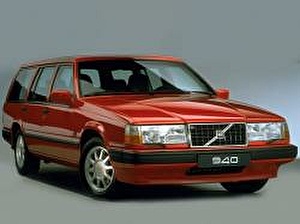
Tyres and wheels for Volvo 940, wheel size on Волво 940
Другие модели Volvo
Volvo 140, Volvo 164, Volvo 240, Volvo 260, Volvo 340, Volvo 360, Volvo 440, Volvo 460, Volvo 480, Volvo 66, Volvo 740, Volvo 760, Volvo 780, Volvo 850, Volvo 940, Volvo 960, Volvo Amazon, Volvo C30, Volvo C40, Volvo C70, Volvo C70 Convertible, Volvo C70 Coupe, Volvo EC40, Volvo EM90, Volvo ES90, Volvo EX30, Volvo EX30 Cross Country, Volvo EX40, Volvo EX60, Volvo EX60 Cross Country, Volvo EX90, Volvo S40, Volvo S60, Volvo S60 Cross Country, Volvo S70, Volvo S80, Volvo S90, Volvo V40, Volvo V40 Cross Country, Volvo V50, Volvo V60, Volvo V60 Cross Country, Volvo V70, Volvo V90, Volvo V90 Cross Country, Volvo XC40, Volvo XC60, Volvo XC70, Volvo XC90,Параметры дисков на Волво 940
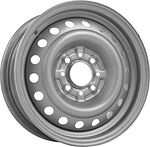
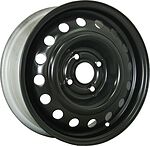
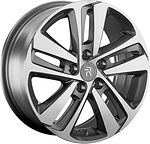
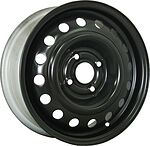
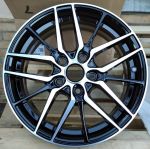
- PCD 5x10⁸ диаметром от 15 до 16, шириной от 6 до 7 и профилем от ET20 до ET25
Tires on Volvo 940
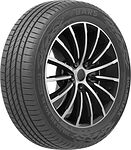
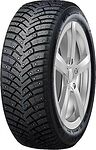
- Tyre size from R15 to R16, width from 185 to 205 and profile from 55 to 65V.
- Minimum tyre size: 185/65 R15, maximum: 205/60V R15






Tires on Volvo 940 (Волво)
Appearing in 1990, the Volvo 940 belonged to the segment of business sedans, becoming one of the last models of the Swedish brand with a classic rear-wheel drive architecture. It was created as a further development of the 700 series family and actually occupied a niche between the more prestigious 960 and the departing 740 model. The car quickly became a symbol of the traditional Volvo engineering school: strict body geometry, powerful power structure, and a maximum emphasis on safety. In the early 90s, this approach already looked a bit conservative, but it was precisely this that made the model popular among those who valued durability and reliability above fashionable design decisions.Body and chassis
Structurally, the "Volvo 940" was a classic rear-wheel drive car with a longitudinally located engine. The basis of the platform largely repeated the architecture of the previous models of the brand, but the engineers noticeably revised the suspension and strengthened the body. The front suspension had an independent scheme with McPherson struts and a stabilizer of transverse stability. At the rear, a dependent beam was used with longitudinal levers and springs — a solution that provided high resource and stability when fully loaded. The body's rigidity deserves special attention. The designers actively applied zones of programmable deformation and reinforced struts, thanks to which the car demonstrated a high level of passive safety. In the early 1990s, this was one of the key advantages of the model.
Engines and transmissions
The engine range consisted mainly of in-line "fours" Redblock. These engines were distinguished by a robust cast-iron design and a large margin of resource. The base versions were equipped with "atmospheric" engines with a volume of 2.0 and 2.3 liters, while more powerful modifications received turbocharged versions of the same units. The turbo engine allowed developing a power of 160 horsepower, which for a heavy sedan was considered quite decent. For some markets, diesel options were also offered with power units from Volkswagen. They were distinguished by moderate fuel consumption and high reliability at high mileage. Depending on the version, the engines were combined with a 5-speed manual or a 4-speed automatic transmission. The latter had settings that ensured smooth switching, which largely corresponded to the concept of this car.
Practicality and equipment
This concept also found its reflection in the interior design, which was Scandinavian minimalist and comfortable in everyday use, distinguished by a logical layout of controls and high-quality materials. The car offered a fairly wide range of equipment, the basic version of which included an ABS system, airbags, an automatic climate control system, electric windows, and heated seats. Another important feature was the ergonomics of the front seats. Wide seats with developed support provided high comfort on long trips — a characteristic feature of Volvo cars of that period. Practicality was also enhanced by a large trunk, especially in the station wagon version, which was extremely popular in Europe and North America.
Differences from main competitors
In the early 1990s, the main competitors were the BMW 5 Series (E34), Mercedes-Benz E-Class (W124), and Audi 100 (C4). Against their background, the Swedish sedan looked less dynamic, but it had a number of unique advantages. Firstly, it differed in exceptional durability of construction. Simple mechanics and robust engines allowed the car to overcome hundreds of thousands of kilometers without serious problems. Secondly, "Volvo" made a special emphasis on safety. A strengthened body, developed deformation zones, and the introduction of electronic driver assistance systems provided a high level of passenger protection. Finally, the model was distinguished by practicality and versatility. The station wagon version could carry a impressive cargo, remaining a comfortable family car.
Standard were wheels with a landing diameter of 15 or 16 inches, and the most common tire sizes were 195/65 R15 and 205/55 R16, which provide an optimal combination of comfort and stability. These parameters fully comply with the factory recommendations and help maintain the correct operation of the suspension. In the online store "Mosavtoshina" it is convenient to select compatible tires and disks for this model due to a wide range and accurate correspondence to the original characteristics.
Advantages of selecting tires for Volvo 940 on our website:
- our catalog offers tires from many manufacturers, belonging to different price segments, which allows you to easily find the optimal option for comfortable and safe operation;
- there are constantly many options for steel and alloy wheels with parameters that exactly match the manufacturer's recommendations, which allows you to maintain the reliability of the suspension and ensure a high level of safety, updating the appearance if necessary;
- regular promotions and discounts allow you to purchase wheel products at a more favorable price;
- specialists will help you select the optimal options, taking into account the features of the vehicle and the conditions of its operation.