Шины и диски для Renault Laguna, размер колёс на Ренаулт Лагуна
Подбор шин и дисков по автомобилю Ренаулт Лагуна
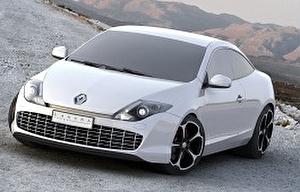
Другие модели Renault
Renault Alaskan, Renault Arkana, Renault Austral, Renault Avantime, Renault Captur, Renault Clio, Renault Dokker, Renault Duster, Renault Duster Oroch, Renault Espace, Renault Express, Renault Fluence, Renault Fuego, Renault Grand Scenic, Renault Kadjar, Renault Kangoo, Renault Kangoo Compact, Renault Kangoo Express, Renault Kangoo Rapid, Renault Kangoo Stepway, Renault Kangoo Van, Renault Kaptur, Renault Kiger, Renault Koleos, Renault Kwid, Renault Laguna, Renault Latitude, Renault Lodgy, Renault Logan, Renault Logan Stepway, Renault Lutecia, Renault Master, Renault Megan Scenic RX4, Renault Megane, Renault Megane E-Tech, Renault Megane Scenic RX4, Renault Modus, Renault Oroch, Renault Pulse, Renault Rafale, Renault Safrane, Renault Sandero, Renault Sandero Stepway, Renault Scala, Renault Scenic, Renault Scenic E-Tech, Renault Stepway, Renault Symbol, Renault Taliant, Renault Talisman, Renault Thalia, Renault Tondar, Renault Trafic, Renault Triber, Renault Twingo, Renault Twizy, Renault Vel Satis, Renault Wind, Renault Zoe,Параметры дисков на Ренаулт Лагуна
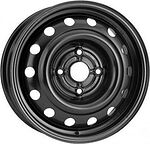
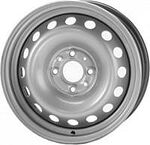
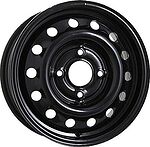
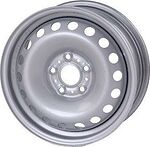
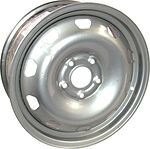
- PCD 4x100 диаметром от 14 до 15, шириной от 5.5 до 6.5 и профилем от ET50 до ET50как у Perodua Myvi
- PCD 5x10⁸ диаметром от 15 до 16, шириной от 6 до 6.5 и профилем от ET50 до ET50как у Ford Tourneo Connect
- PCD 5x114.3 диаметром от 16 до 18, шириной от 6 до 7.5 и профилем от ET42 до ET47как у Infiniti G
Шины на Renault Laguna
- Размерность шин от R14 до R18, шириной от 185 до 225 и профилем от 45 до 65V
- Минимальный размер резины: 185/60 R14, максимальный: 225/45 R18
Наиболее популярные модели шин




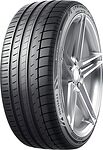
Шины на Renault Laguna (Ренаулт)
Среднеразмерный автомобиль от французского производителя не так сильно распространен на территории России, но, все же, имеет группу своих поклонников.Начало истории
Разработку новой модели производитель начал в 1987 году, а вот серийное производство стартовало только в 1994 году. Такой большой интервал связан с интенсивной проработкой каждой детали и общей конструкции. Особое внимание было уделено системам пассивной и активной безопасности.Первоначально автомобиль предлагался только в кузове хэтчбек, и только годом позднее появилась модификация в «универсале». Отличительно чертой модели стала плавность хода, которую обеспечивала подвеска. Салон был просторным и комфортным, как для водителя, так и пассажиров. В качестве силовых агрегатов использовались восьми клапанные двигатели, объемом 1.8 и 2.0 литра, а также «шестерка» на 3.0. Первые из них были маломощные, что делало автомобиль менее динамичным на фоне конкурентов.
В 1998 году был проведен рестайлинг, который поменял форму фар, как передних, так и задних, появились противотуманки. Главным отличием стала оцинковка кузова, которая должна была нивелировать действие агрессивных факторов и повысить устойчивость к воздействию коррозии. Расширилась и линейка двигателей, среди которых появились 16-клапанные модификации, обладающие большей мощностью и существенно повышающие динамичность транспорта.
Последующее развитие
В 2000 году свет увидело второе поколение, которое также было выполнено с оцинкованным кузовом. Среди отличительных особенностей алюминиевый капот и крышка багажника, которые облегчили конструкцию. Особое внимание уделили безопасности пассивного типа. За счет этого автомобиль получил максимальный бал в тестах. Еще одной особенностью стала система бесключевого запуска. В качестве последнего применялась специальная карта с чипом, работающим на радиочастоте. При этом, сам запуск двигателя был реализован посредствам кнопки. Но, такое техническое решение было ненадежным, что и нанесло существенный удар на популярность модели.Линейка двигателей была полностью изменена. Ее основу составляли бензиновые агрегаты с фазовым впрыском топлива.
Третье поколение (2007 год), несмотря на неизменную базу от «второго», претерпела существенные визуальные изменения. При этом, модель была сразу представлена в универсале и хэтчбеке. Что касается силовых установок, то наряду с классическими 1.6 и 2.0 с турбинами, были представлены и новые вариации 2.0 литрового двигателя, который разработали совместно с Ниссан. Линейка дизелей состояла из нескольких вариантов 2.0 л.
Достаточно спорный дизайн и ряд технических недостатков (в том числе люфт рулевой рейки, ненадежность топливной системы) сделали свое дело, понизив спрос. В результате производитель отказался от модели в 2012 году. Ему на смену пришла модель «Талисман» — случилось это в 2015 году.
Несмотря на то, что автомобиль уже не выпускается, на дорогах России можно еще встретить экземпляры, для их владельцев магазина «Мосавтошина» предлагает широкий перечень покрышек и колесных дисков.
Преимущества подбора на нашем сайте шин на Renault Laguna
- простая и интуитивно понятная система подбора на сайте;- всесторонняя помощь со стороны менеджеров;
- выгодные ценовые предложения, подкрепленные системой скидок и регулярными акциями;
- качество, обеспечиваемое сотрудничеством с надежными производителями.