Car tires and rims Peugeot
Tire and wheel selection by vehicle Пежо
- 8
- 806 126
- 807 181
- B
- Bipper Tepee 5
- Bipper Tepee 149
- Boxer 810
- E
- Expert Tepee 206
- Expert Tepee 12
- H
- Hoggar 28
- i
- iOn 20
- L
- Landtrek 39
- M
- Manager 10
- P
- Partner 535
- Partner Crossway 8
- Partner Origin 4
- Partner Origin VU 18
- Partner Rapid 8
- Partner Tepee 253
- Partner VU 27
- R
- RCZ 88
- RCZ Sport 14
- Rifter 82
- T
- Traveller 118
The most popular models Peugeot


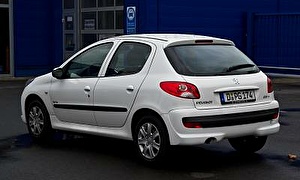


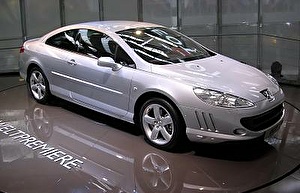
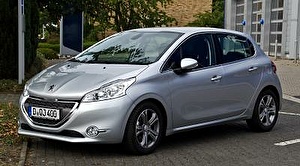
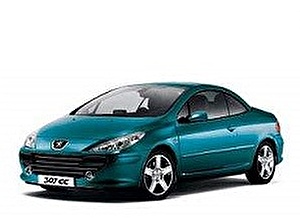
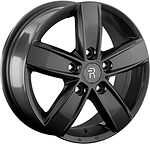
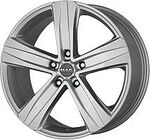
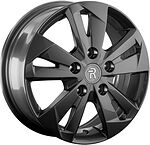
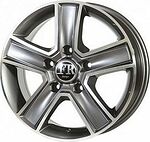
The wheels on Пежо
- PCD 3x10⁵ диаметром от 14 до 14, шириной от 4.5 до 4.5 и профилем от ET23 до ET23
- PCD 3x115 диаметром от 13 до 13, шириной от 4.5 до 4.5 и профилем от ET25 до ET25
- PCD 4x100 диаметром от 14 до 15, шириной от 4 до 5 и профилем от ET35 до ET39 как у Opel Astra H
- PCD 4x10⁸ диаметром от 13 до 18, шириной от 4.5 до 8 и профилем от ET12 до ET44 как у Citroen C4
- PCD 4x140 диаметром от 14 до 15, шириной от 5.5 до 6 и профилем от ET19 до ET25
- PCD 5x10⁸ диаметром от 15 до 19, шириной от 5.5 до 8 и профилем от ET15 до ET50 как у Vauxhall Grandland X
- PCD 5x114.3 диаметром от 16 до 18, шириной от 6.5 до 7.5 и профилем от ET38 до ET38 как у Mitsubishi Outlander
- PCD 5x118 диаметром от 15 до 16, шириной от 6 до 6 и профилем от ET55 до ET68 как у Citroen Jumper
- PCD 5x130 диаметром от 16 до 16, шириной от 6 до 6.5 и профилем от ET59 до ET68 как у Citroen Jumper
- PCD 5x140 диаметром от 14 до 15, шириной от 5 до 5.5 и профилем от ET25 до ET25
- PCD 6x139.7 диаметром от 17 до 17, шириной от 7.5 до 7.5 и профилем от ET30 до ET30 как у Toyota 4Runner

Tires on Peugeot
- Tyre size from R13 to R20, width from 145 to 265 and profile from 35 to 80
- Minimum tyre size: 155/70 R13, maximum: 235/45 R18
The most popular tire models


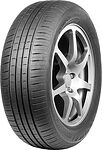
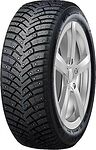


Tires on Peugeot (Пежо)
The Peugeot automotive brand belongs to the transnational corporation Stellantis. It is one of the oldest in the world manufacturers of automotive equipment, having released the first vehicle with an internal combustion engine in 1890.History of Origin
The Peugeot automotive brand has its history rooted in steel production, a family business created in 1810. Initially, the plant produced saws and other hand tools, transitioning to coffee grinders in 1842 and pepper mills in 1874. The first vehicle, a bicycle, was released by the company in 1880. The company's entry into the automotive business is owed to women's fashion, specifically crinoline dresses, the shape of which was fixed by steel rods. These elements were later used in umbrellas and bicycle wheels. The first car was built by the company in 1889. It was a three-wheeled vehicle equipped with a steam engine. After meeting with Gottlieb Daimler and Emile Levassor, Armand Peugeot, who was leading the company at the time, abandoned the use of steam in favor of a gasoline internal combustion engine. It was built by Panhard under a Daimler license. At the same time, the car was technically more advanced than its contemporaries. It used a suspension with three mounting points and a "sliding" transmission, which significantly improved the level of comfort and predetermined excellent sales. In 1892, 40 cars were built, and seven years later, more than 300 units were sold. In 1896, the company began producing its own engines, which allowed it to get rid of its dependence on Daimler. At the same time, the engine proved to be quite successful for further modernization. In the Type 48, it was located under the hood in the front, which, in combination with a full-fledged steering wheel raised to the level of the torso, made this model similar to a modern car.Peugeot and Citroen
In 1974, Peugeot acquired 30% of the shares of its main competitor in the domestic French market, Citroen. Moreover, the financial support for the deal was provided by the government, which, in this way, tried to avoid the problems that would inevitably have arisen if Citroen had closed. The problems of this company were caused by excessive spending on the development of new models and components, as well as due to the high production cost. Some of Citroen's innovations had failed sales, for example, the SM. At the same time, the CX and GS proved to be extremely successful, which largely increased the chances of saving the company and preserving the identity of the models of both brands. Along with Citroen, Peugeot gained control of Maserati, which was sold to Fiat in May 1975. Three years later, PSA took over the European division of Chrysler, which produced passenger and commercial vehicles under the Rootes and Simca brands. They were merged into Talbot, a brand used by PSA until 1987, and in the case of commercial vehicles, until 1992.Peugeot 205
In 1983, the company released the Peugeot 205, which largely changed its further fate. This model almost immediately became the best-selling car in France, proving to be very popular throughout Europe, including the demanding UK market, where more than 50,000 units were sold annually. The car appeared thanks to the engineering potential of the European divisions of Simca and Rootes Group, which had vast experience in designing compact cars. The 205 was distinguished by a fully independent suspension, MacPherson struts at the front, and torsion bars at the rear. This combination was first tested by Peugeot and became the company's "trademark" for all passenger cars for decades, as it provided ease of handling, smooth ride, and a wide, flat space in the trunk. Another undeniable advantage of the 205 was the diesel engines from Citroen. With equal power to their gasoline counterparts, they provided more intense acceleration and much lower fuel consumption. From 1983 to 1999, more than 5 million 200 thousand units of this model were produced. Some of them can still be found on domestic roads and occasionally need tire replacement. They can be found in the online store "Mosavtoshina".Advantages of choosing tires for Peugeot on our website
- the catalog features both novelties from leading brands and tires that have already proven themselves in our difficult conditions;- the automated tire search system will select the most suitable options for any Peugeot car within a few seconds;
- a wide selection of wheels from leading manufacturers, as well as from less well-known brands that offer quality products;
- in case of difficulties in choosing tires and wheels, managers will always help, providing the most complete information.