Tyres and wheels for Peugeot 205, wheel size on Пежо 205
Подбор шин и дисков по автомобилю Пежо 205
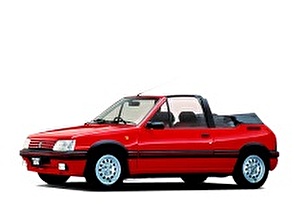
Другие модели Peugeot
Peugeot 1007, Peugeot 104, Peugeot 106, Peugeot 107, Peugeot 108, Peugeot 2008, Peugeot 204, Peugeot 205, Peugeot 206, Peugeot 207, Peugeot 208, Peugeot 3008, Peugeot 301, Peugeot 304, Peugeot 305, Peugeot 306, Peugeot 307, Peugeot 308, Peugeot 308S, Peugeot 309, Peugeot 4007, Peugeot 4008, Peugeot 405, Peugeot 406, Peugeot 407, Peugeot 408, Peugeot 408X, Peugeot 5008, Peugeot 504, Peugeot 505, Peugeot 508, Peugeot 508 RXH, Peugeot 508L, Peugeot 604, Peugeot 605, Peugeot 607, Peugeot 806, Peugeot 807, Peugeot Bipper Tepee, Peugeot Bipper Tepee, Peugeot Boxer, Peugeot Expert Tepee, Peugeot Expert Tepee, Peugeot Hoggar, Peugeot iOn, Peugeot Landtrek, Peugeot Manager, Peugeot Partner, Peugeot Partner Crossway, Peugeot Partner Origin, Peugeot Partner Origin VU, Peugeot Partner Rapid, Peugeot Partner Tepee, Peugeot Partner VU, Peugeot RCZ, Peugeot RCZ Sport, Peugeot Rifter, Peugeot Traveller,Параметры дисков на Пежо 205
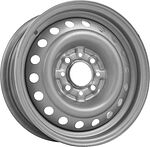
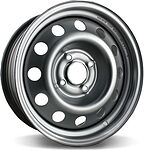
- PCD 4x10⁸ диаметром от 13 до 14, шириной от 4.5 до 5.5 и профилем от ET24 до ET28как у Citroen Fukang
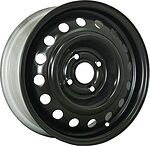
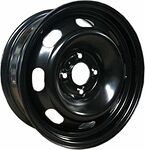
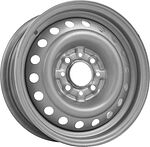
Tires on Peugeot 205
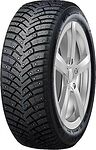
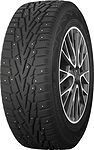
- Tyre size from R13 to R17, width from 165 to 205 and profile from 50 to 80.
- Minimum tyre size: 135S R13, maximum: 205/55 R16






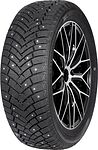

Tires on Peugeot 205 (Пежо)
The debut of the compact hatchback Peugeot 205 took place in 1983. The car was a landmark for the entire industry, becoming the "calling card" of the French automotive industry of the 1980s. It appeared at a time when the segment of city cars was experiencing rapid growth and required new engineering solutions. The developers made a bet on a lightweight design, a wide range of engines, and unusually lively handling for a car of this class. Thanks to these qualities, the model quickly took a significant place among European superminis. In terms of its characteristics, the 205th stood out from its main competitors. First of all, it had a more vivid character, a wide range of modifications, and technical flexibility of the platform.Concept and design basis
Initially, the model was created as a universal city car, capable of combining compactness with practicality. The body was produced in 3- and 5-door versions, and the design was distinguished by clean proportions and neat surfaces without excessive decor. With a length of around 3.7 meters, the car provided a fairly spacious salon by the standards of the class, and the rational layout allowed for a spacious trunk. The basis of the design was a front-wheel drive platform with a transverse engine arrangement. The front suspension was made according to the McPherson scheme, and the rear suspension was made with longitudinal torsion bars and a transverse beam. This architecture made it possible to reduce the mass and at the same time achieve a good balance between comfort and handling. Compared to competitors like the Volkswagen Polo, Opel Corsa, or Ford Fiesta, the French model was distinguished by a lighter body and a more precise response to steering wheel turns.
The engineers also paid attention to aerodynamics: the air resistance coefficient was around 0.35, which was considered a decent indicator for a compact car in the mid-1980s.
The car's engine range was one of the most diverse in the segment. The base versions were equipped with petrol engines of the XU and TU families with a volume of 1.0 to 1.4 liters. They were distinguished by their simplicity and economy, which made the car attractive for city use. Later, the lineup was supplemented with more powerful engines with a volume of 1.6 and 1.9 liters. These engines provided a noticeably more dynamic character, especially in combination with the relatively small weight of the car — many versions weighed less than 900 kg.
Diesel modifications were also popular. The "atmospheric" engines with a volume of 1.7 and 1.8 liters were famous for their low fuel consumption and high reliability. In conditions of European fuel prices, such versions became in demand among those who drove a lot on the highway. Most modifications were equipped with a manual transmission, but on some markets, versions with automatic transmission were also offered.
Equipment and interior
The car offered a fairly wide range of equipment. In the base versions, the interior was simple but functional: comfortable seats, large instruments, and thoughtful ergonomics of the controls. More expensive trim levels included electric windows, central locking, an improved audio system, and fabric trim of higher quality. Some modifications could be found with a sunroof, adjustable steering column, and additional noise insulation elements. An interesting feature was the wide variability of the execution: from utilitarian versions for city trips to well-equipped cars with comfort elements characteristic of higher classes.
Sporty modifications and rally history
A separate page in the model's history was the sports versions. The most famous was the GTI modification, equipped with 1.6 and 1.9-liter engines. Thanks to the low weight and precise suspension setting, these cars were considered one of the most thrilling hatchbacks of their time. The Turbo 16 version, created for participation in the World Rally Championship, became even more legendary. This car received a mid-engine layout and four-wheel drive, which radically distinguished it from the production hatchback. It was on the basis of the 205 Turbo 16 that the French team won several victories in the World Rally Championship. Such achievements strengthened the image of the model and made it a real icon among compact sports cars.
For this car, the factory provided wheel disks with a landing diameter of 13 to 15 inches, along with tires 155/70 R13, 165/70 R13, 175/60 R14, and 185/55 R15. This range allows you to easily select suitable options for city use or a more dynamic driving style. Buying wheel sets in the "Mosavtoshina" online store is convenient because you can quickly find compatible sizes and compare different models by characteristics.
Advantages of selecting tires for Peugeot 205 on our website:
- The assortment includes dozens of tire models from various manufacturers, which allows you to choose the optimal option for both everyday use and more active driving styles; - A wide range of disks in different styles helps to preserve the original geometry of the suspension and emphasize the character of the classic French hatchback; - An extended warranty for wheel products; - The possibility of getting help from specialists significantly simplifies the selection process.