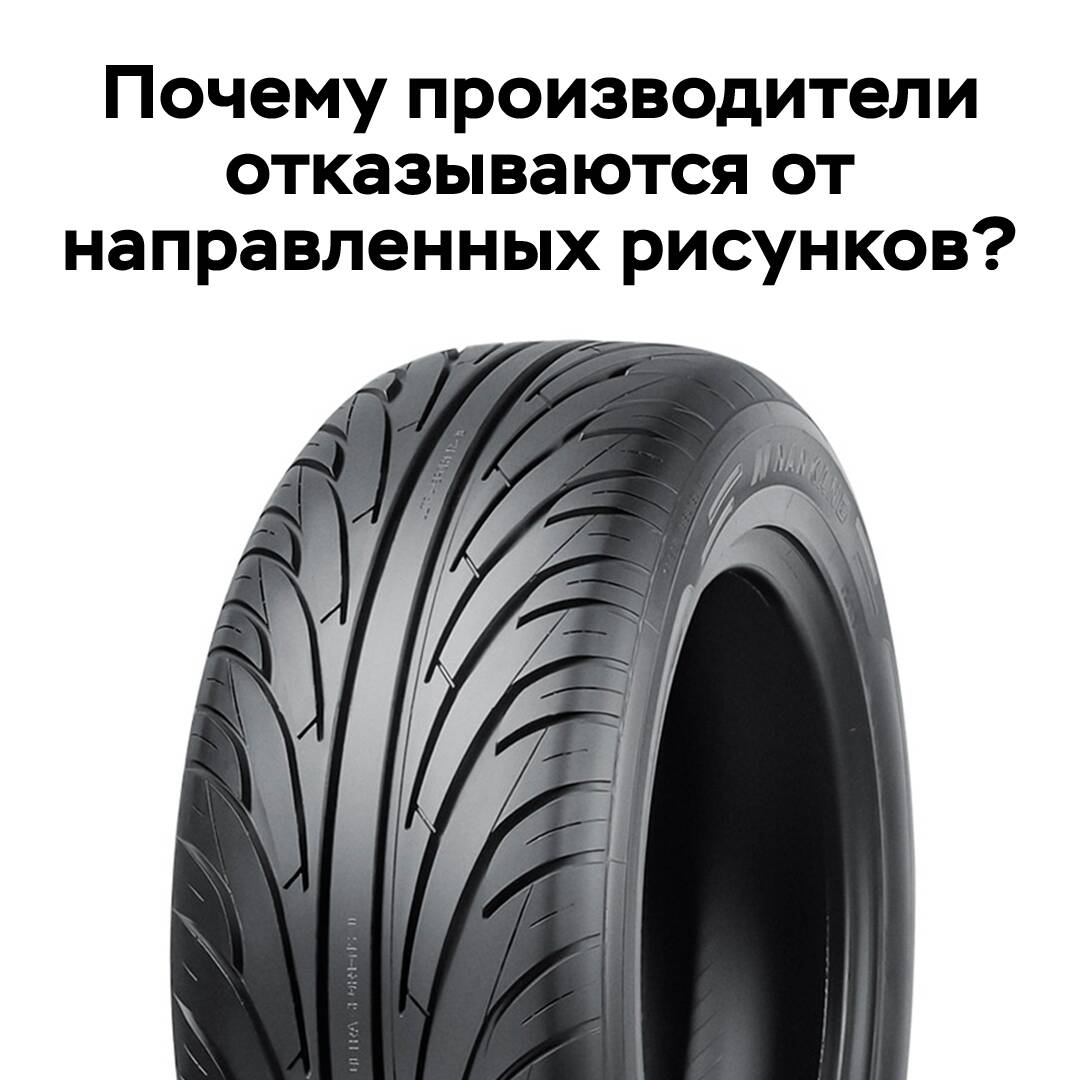
Why are manufacturers abandoning directional tread patterns?
Perhaps you've also noticed that the tread patterns of modern summer tires have become quite boring. Previously, buyers would even choose tires based on the tread pattern, and there was a lot to choose from. The reason for this simplification is the gradual disappearance of directional tread patterns.
We've already written about tread pattern types and why almost all winter tires have directional tread patterns, but the question remains - why in the summer segment, there are almost no tire models left with directional tread patterns. Every year, there are fewer and fewer of them.
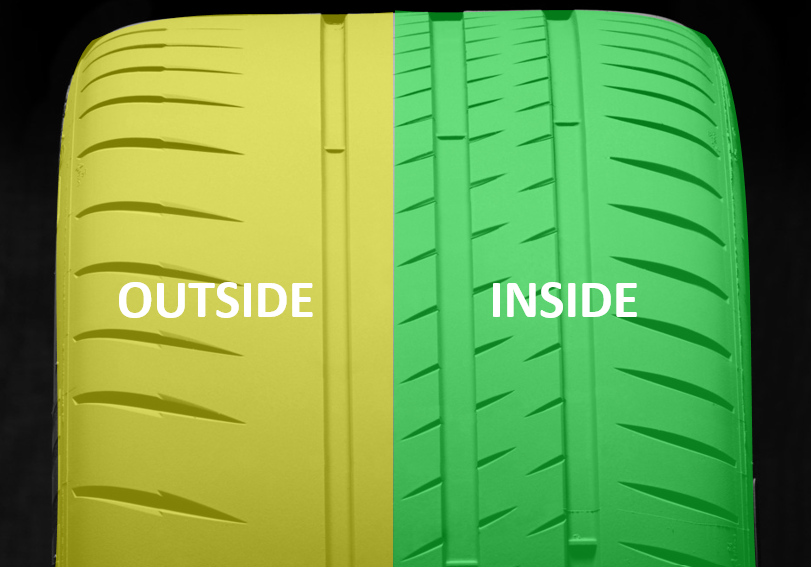
The thing is that in the summer segment, the average speed increases significantly, and the issue of handling becomes most relevant. While the directional tread pattern can be slightly more efficient in removing water from the contact patch, it significantly loses in handling. The asymmetrical tread pattern is divided in such a way that the inner part, responsible for water removal from the contact patch, has more lamellas and channels, while the outer part of the tire has massive tread blocks that provide more rubber mixture in the contact patch, ensuring the best handling and cornering.
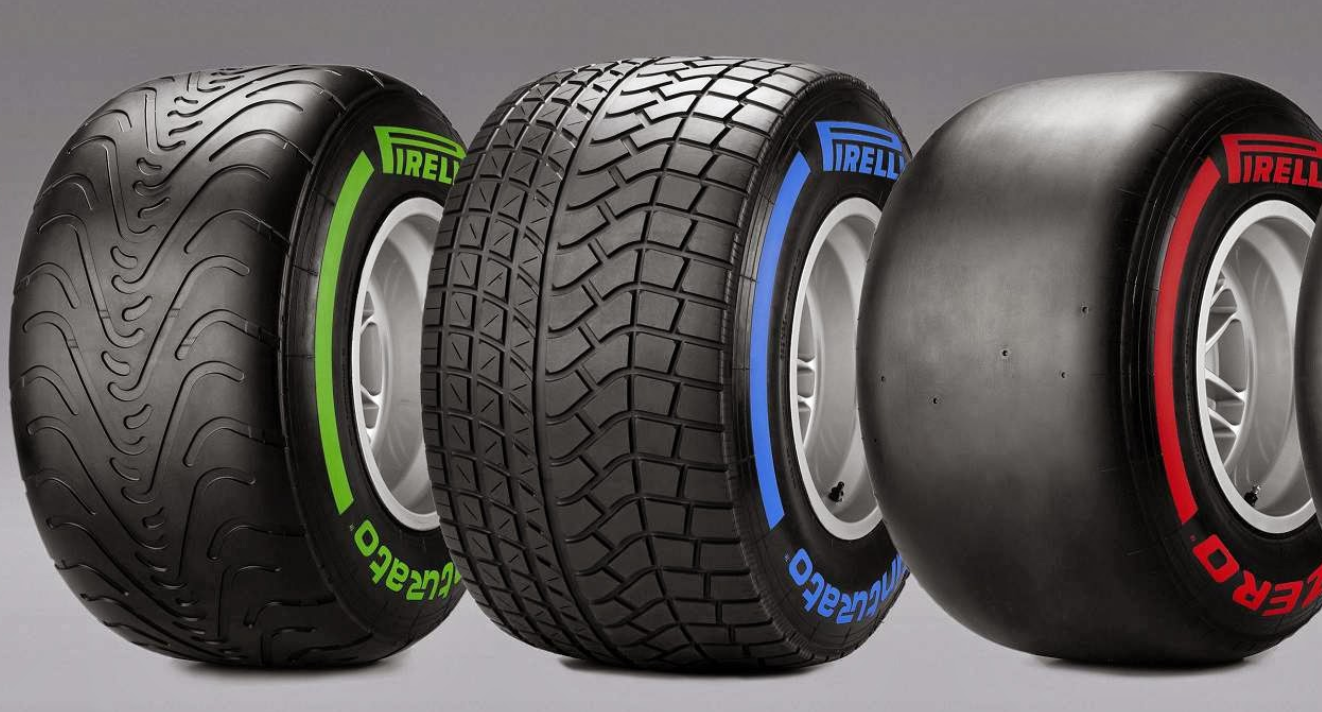
We often talk about the fact that a tire is a compromise of characteristics. That's why the directional tread pattern in the summer segment will never completely disappear. There are models where traction on wet surfaces remains a priority characteristic. Besides, it's necessary to consider the dependence on the tread width and the specific task that the engineer is facing. In some cases, the directional tread pattern has sufficiently massive blocks to provide the necessary level of handling, and therefore, the directional tread pattern is used. A good illustration can be the tires for rainy weather for Formula 1 cars. Drivers have a choice between slicks, asymmetrical, and directional tread patterns. Moreover, the directional tread pattern provides the greatest efficiency on wet surfaces, despite the smaller projector depth.