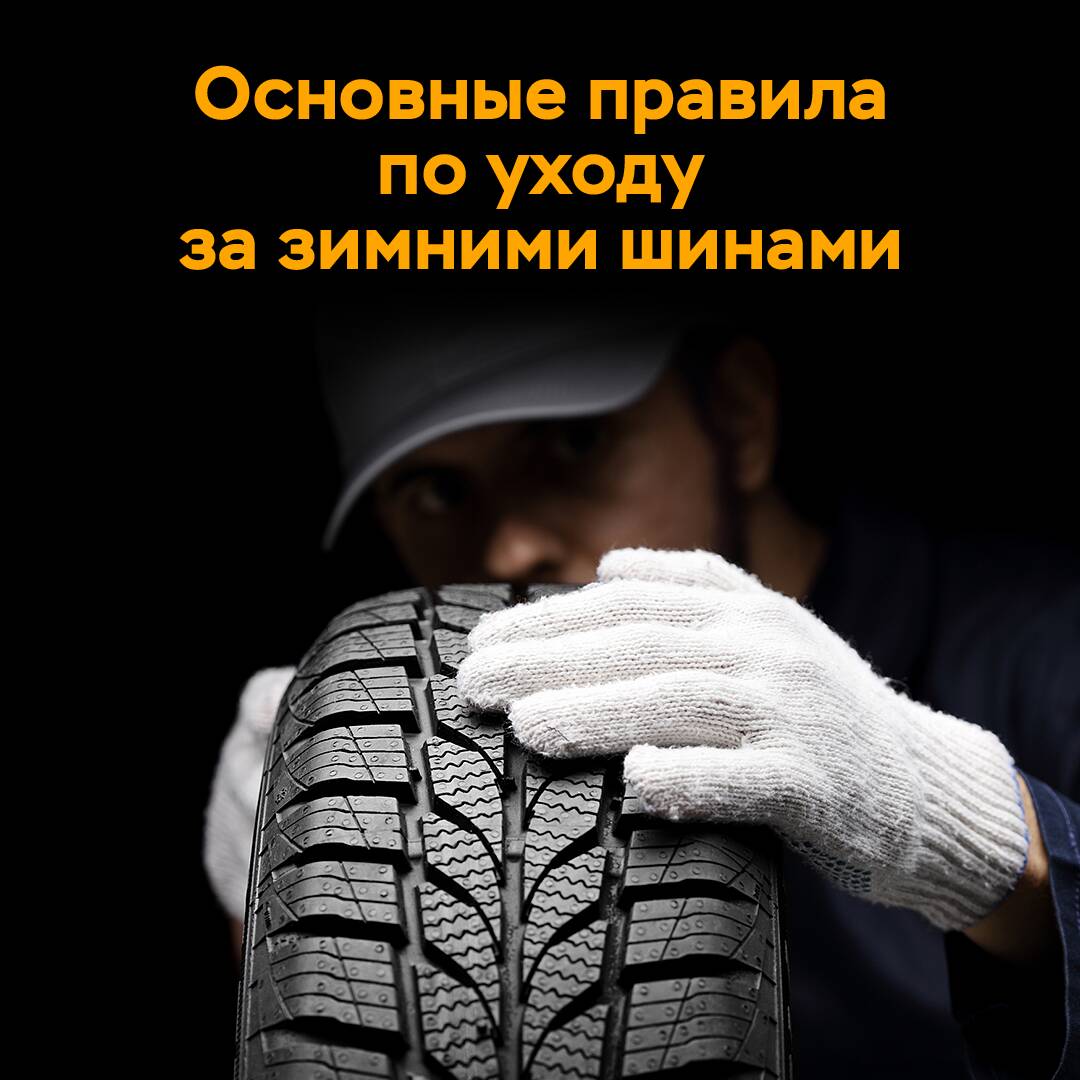
Main rules for winter tire maintenance
It is impossible to say exactly how long a tire will last. The lifespan of a tire depends on a combination of factors, including driving habits, tire construction, climate, road conditions, and tire maintenance. The tire industry has long recognized the role of the consumer in regular tire care. The following recommendations will help to evaluate the maximum lifespan for winter tires and maximize their performance.
What damages tires?
There are many factors that contribute to tire wear. Road conditions, such as potholes, speed bumps, curbs, and foreign objects on the road. Driving habits, such as speeding, rapid stopping or starting, ignoring changes in handling, and sudden braking, also significantly affect wear. Although it's not obvious, the winter climate by default has an impact on tires. Exposure to extreme temperatures, direct sunlight, rain, snow, and ice, as well as various chemicals, such as road reagents, can lead to the destruction of your tires, which you may not even suspect.
Another factor is the incorrect use of tires. Using a spare wheel as a permanent replacement, using summer tires in winter and vice versa, using tires on damaged rims. All this can lead to tire damage.
How can I take care of my tires to extend their lifespan?
Tires are designed and manufactured to provide thousands of kilometers of safe driving. To get the most out of your tires, you need to take proper care of them to avoid tire damage and misuse, which can lead to their failure. The tire lifespan is a combination of storage and operating conditions that the tire is subjected to throughout its lifespan (load, speed, pressure, road accidents, etc.). Since operating conditions vary greatly, it is impossible to accurately predict the lifespan of a specific tire.
You can increase the lifespan of your tire by proper maintenance. When thinking about tire maintenance, you should:
- Check the pressure in your tires at least once a month
- Regularly check the wheel alignment
- Check your tires for visible wear or damage
- Store your tires correctly
- Avoid long-term storage
- Perform regular tire rotation
Studded tires require special attention, as the studs are particularly prone to wear. The studs can break, wear out, or get lost. To extend the lifespan of the studs, they should be properly "run-in" at the beginning of their lifespan. Additionally, you should pay special attention to maneuvers on the road. You should avoid sudden starts and braking without a reason, as this always has a negative impact on the condition of the studs. Also, the studs can suffer from improper storage. But even if your studs are hopelessly damaged, it's not a sentence for the tires, as the studing of tires can be restored.