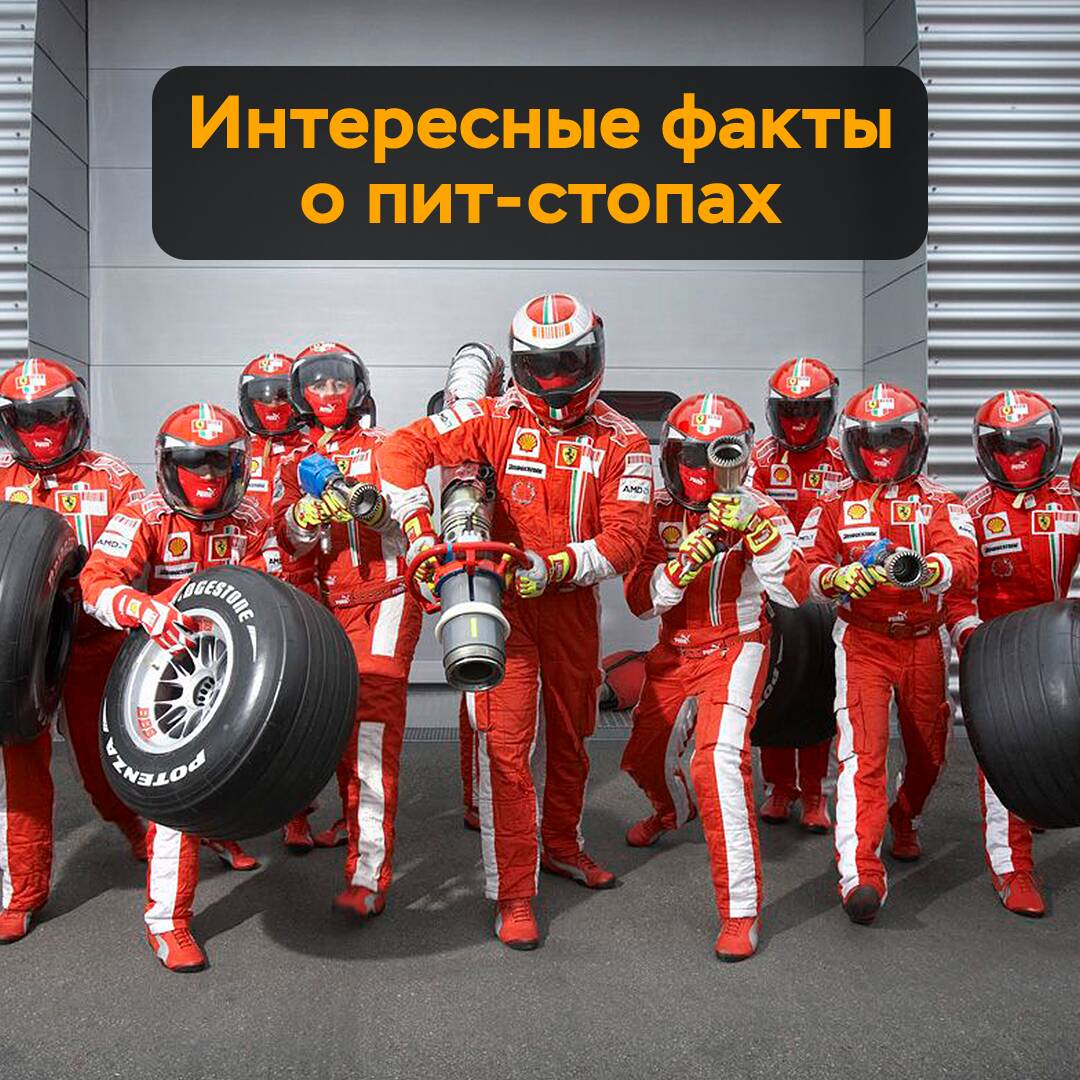
Interesting facts about pit stops
In professional racing, distance is often measured not in meters, but in seconds. In a sport with the highest speeds, a gap of 1 second can mean a significant lead of several dozen meters, or even more. That's why everything matters. Pilots know the track perfectly and pass turns at the maximum possible speeds. Special attention is deserved by pit stops. Especially colorful it looks in Formula 1 races. It's where not only pilots compete, but also teams that provide pit stops. Today we will tell you about interesting facts related to pit stops in royal races.
In Formula 1 racing, tires have great importance. It is the strategy of choosing and replacing tires in time that determines the final result. But each tire change is time. The record for the speed of passing a pit stop was set by the McLaren team and was only 1.8 seconds. Notably, the previous record belonged to the Red Bull team and was 1.82 seconds. The difference of 0.02 seconds makes it clear that this is a huge effort and teams are fighting for every 0.001 seconds, carefully calculating every move. So, let's analyze the roles of team members and their functionality. 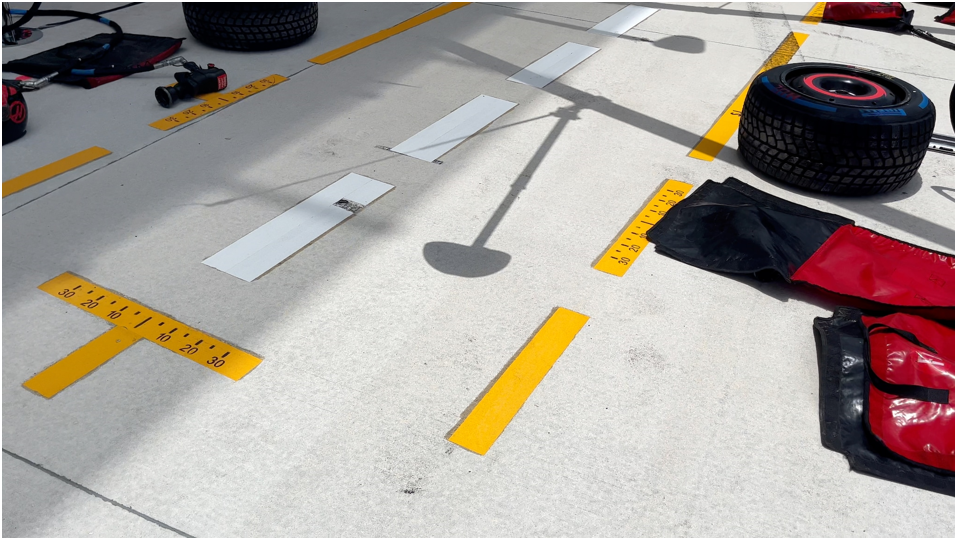
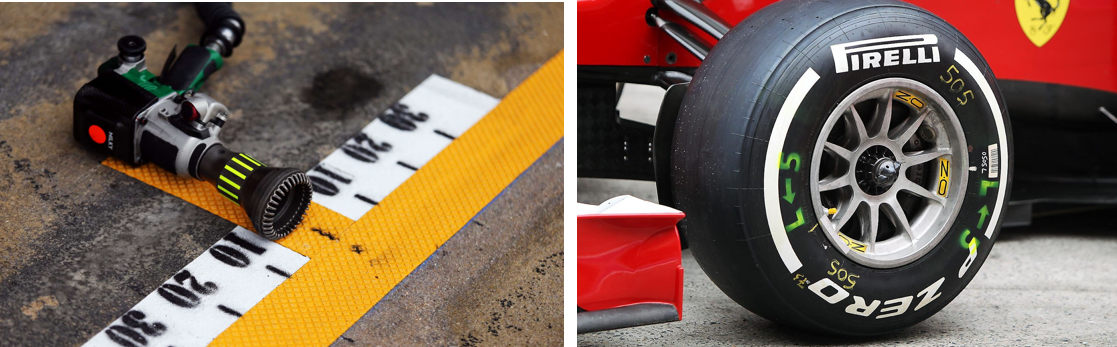
Let's start with the marking. The place for the pilot to stop is calculated to the centimeter. It is how accurately the pilot can stop that will be the "starting point" for the entire pit stop. Otherwise, the team will have to move a certain distance, which means a loss of time. This, not to mention that the front "jack" is already standing in front of the car. The speed of the car passing through the pit lane is from 60 to 80 km/h, which means the hero with the jack is fully confident that the pilot will not make a mistake :)
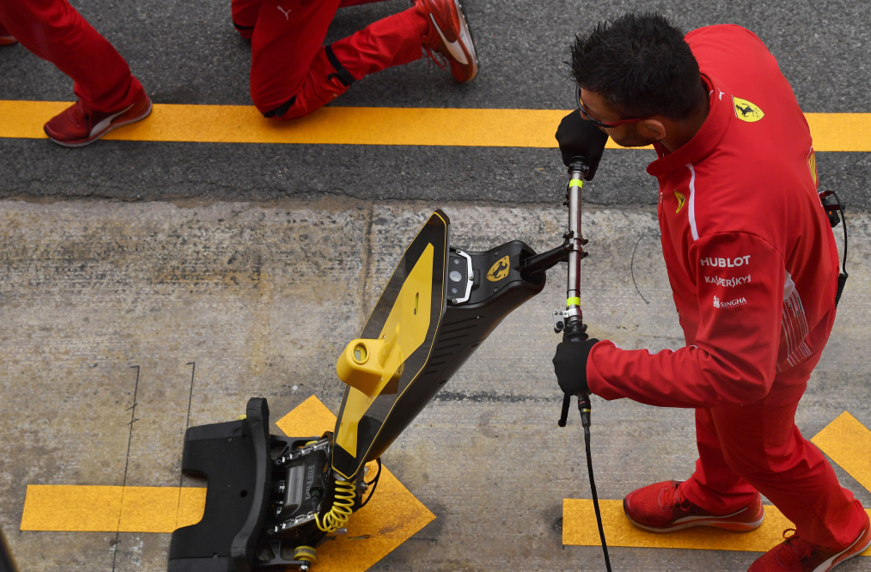
So, the front and rear jacks. We've already understood that the front jack operator is taking a significant risk by standing in front of a racing car moving towards them at a speed of 80 km/h. But the rear jack still needs to have time to run up. Only after their coordinated work is the car lifted and ready for a tire change. Of course, everyone says tires, but what they mean is wheels in assembly.
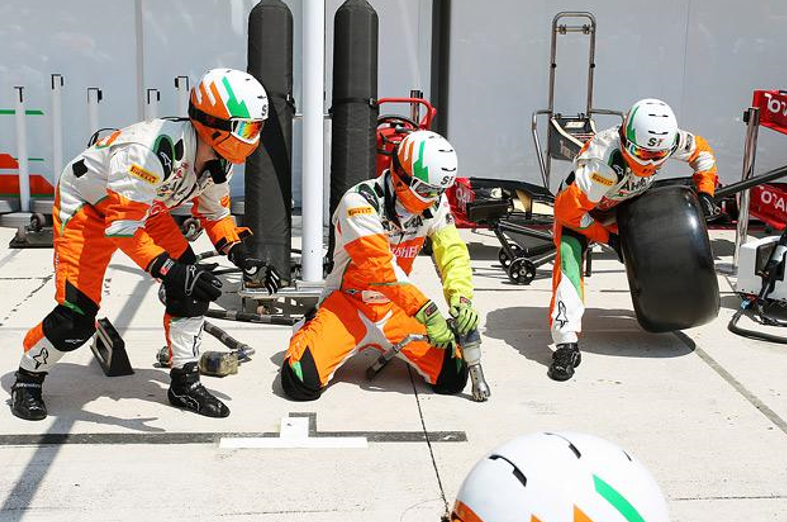
During a tire change, 12 people are involved. Three people for each wheel. One person from each trio is equipped with a special wrench. There is only one nut, but it is extremely important to instantly hit the right spot. That's why both the wrench and the mounting point are adjusted to the smallest details. The operators are protected by special suits because the dismantled wheel is heated to 80-90 degrees. The new tires are not cold either, since they were extracted from special thermal covers that maintain a specially set temperature.
But what do the others do? There is a whole part of the team that remains uninvolved. But at a critical moment, their participation turns out to be decisive. Mechanics may need to perform other tasks, such as cleaning the side panel from debris, replacing the steering wheel. Something unusual may require additional time. Replacing a damaged front wing, for example, usually takes nine seconds or more.
The success of a pit stop depends on the victory of the entire team. Let ordinary tire mounting take a little more time, but it is also important for you and your safety. Trust the mounting of tires and wheels to professionals!