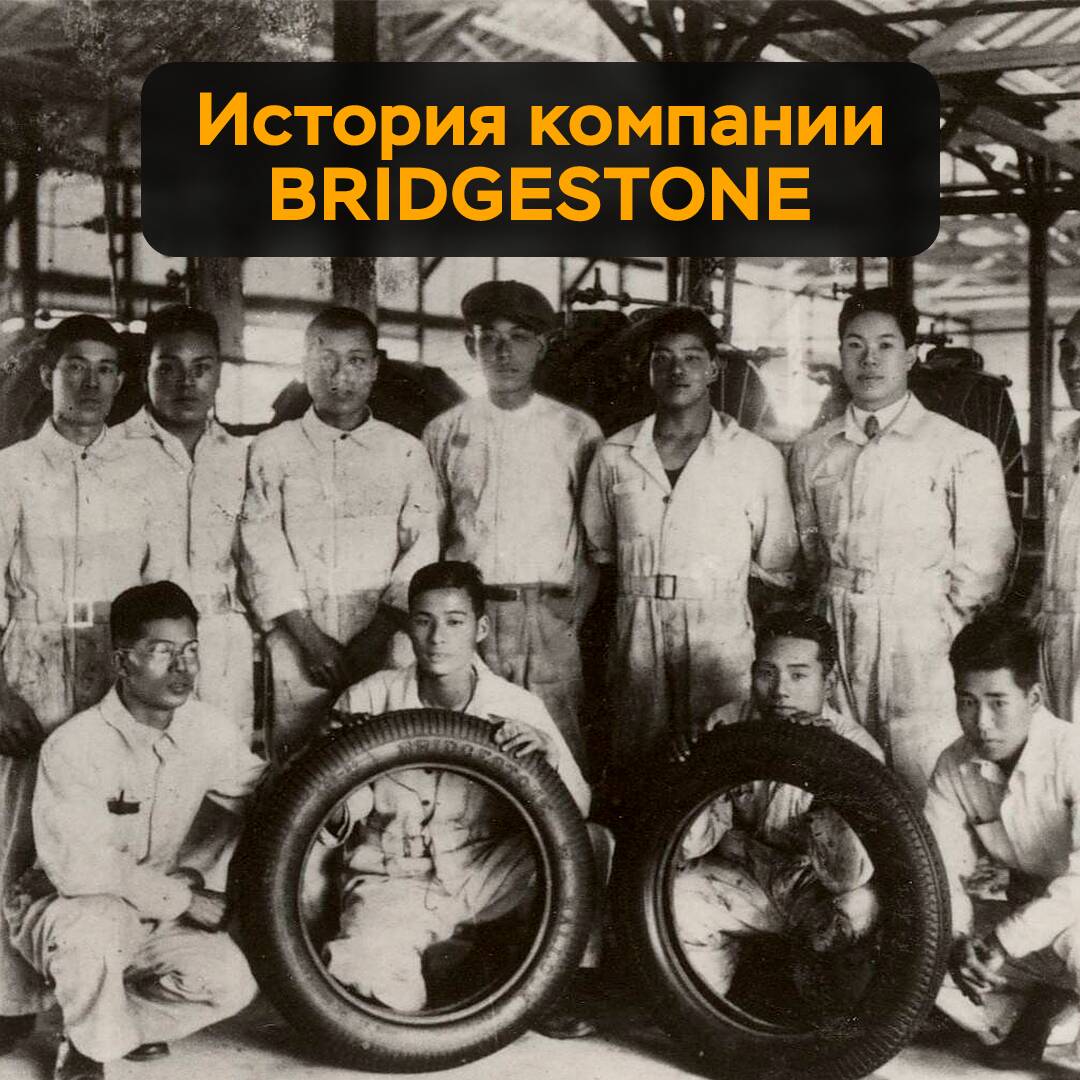
Bridgestone - From a Dream to Global Leadership
In 1906, 17-year-old Shojiro Ishibashi embarked on his entrepreneurial journey, taking the reins of his family's sewing business in Kurume. However, his ambitious dreams extended far beyond a simple family enterprise. He aimed to create something greater.
Ishibashi poured his efforts into developing and manufacturing traditional Japanese footwear. He created "tabi," rubber-soled shoes used as work shoes, which became one of his significant achievements. Over time, he expanded his business to produce rubber shoes and even began exporting them.
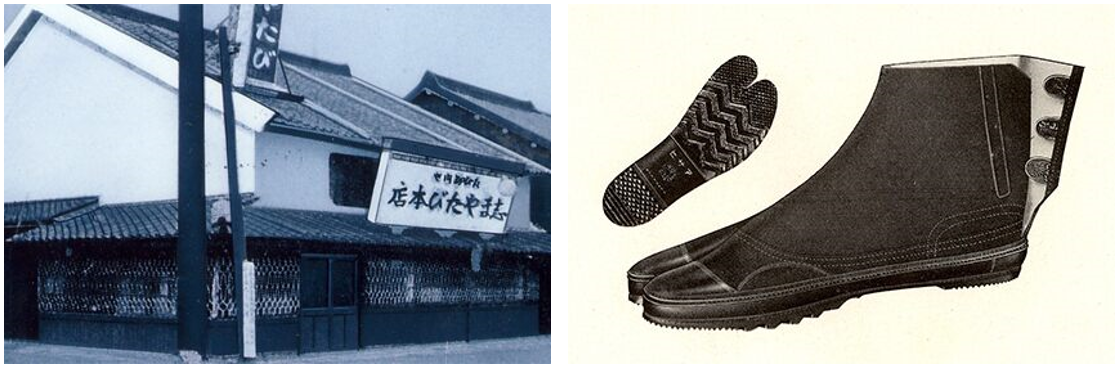
Utilizing the capital accumulated from his successful business, Ishibashi decided to fill a niche in tire production, and in 1930, the first tire was produced under the Bridgestone brand. An interesting fact: the founder's surname, "Ishibashi," translates to "stone bridge" in Japanese. However, as the founder had ambitions to export tires, he decided to name the company in English. "Bridgestone" literally means "stone bridge."
In 1934, tire production under the Bridgestone brand was on the rise. Unexpectedly, in 1935, the company began producing sports goods, particularly golf balls. The products were in high demand, which also contributed to the popularity of the brand.
In 1945, Japan emerged from the war, and the company faced the challenges of rebuilding the post-war economy. Air bombings destroyed the company's headquarters in Tokyo, but the factories in Kurume and Yokohama remained intact, allowing the company to recover quickly.
In 1951, the company became the first in Japan to sell tires made from textile cord, leading to the modernization of production and further growth. By 1953, sales exceeded ten billion yen, solidifying Bridgestone's position as the leader in Japan's tire industry.
Over the next decade, Bridgestone continued its rapid development and innovation. In 1962, new facilities were built at the Tokyo factory to create a Technical Center, and in 1967, the first radial tire, "RD-10," was released for passenger cars. The company's first overseas factory was opened in Singapore in 1965.
However, the 1970s brought challenges in the form of the oil crisis and economic stagnation in Japan. Despite this, Bridgestone continued to invest in developing its own radial tire production technology and building new factories in Japan.
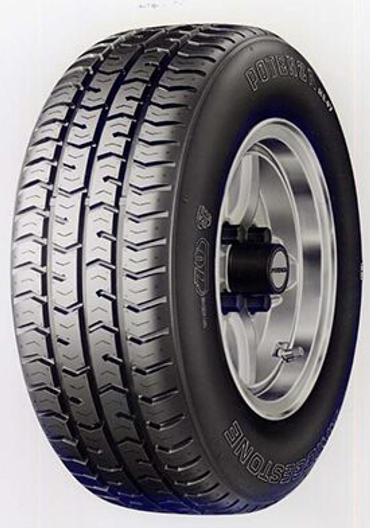
In 1978, the company introduced the radial tire Super Filler, and in 1979, it released the high-performance radial tire POTENZA. During this time, the company also actively expanded its operations overseas, starting with production in Indonesia and Iran in 1976, as well as investing in a Taiwanese tire manufacturer and acquiring a tire factory.
The sad news of the passing of the founder, Shojiro Ishibashi, in 1976 came amidst the company's expansion and successes. However, Bridgestone continued on its path.
On March 1, 1981, the company celebrated its 50th anniversary, focusing on strengthening its domestic base and continuing its strategy of overseas expansion. Bridgestone acquired a tire factory in Tennessee from Firestone Tire & Rubber Company, a key moment in the company's history. The merger with Firestone in 1988 transformed Bridgestone into one of the world's largest tire and rubber manufacturers.
With the start of the new millennium, Bridgestone continued its strategy of innovation and expansion. In 2001, the company adopted a new corporate philosophy, focusing on strengthening trust and pride in its products and the communities it serves. In 2007, Bridgestone acquired Bandag, Incorporated, expanding its capabilities in tire retreading.
Today, Bridgestone is a symbol of innovation, quality, and the pursuit of excellence. The company continues to amaze the world with new technologies and products, remaining true to its roots and the founder's philosophy. Bridgestone is a success story that continues to evolve and inspire new generations.