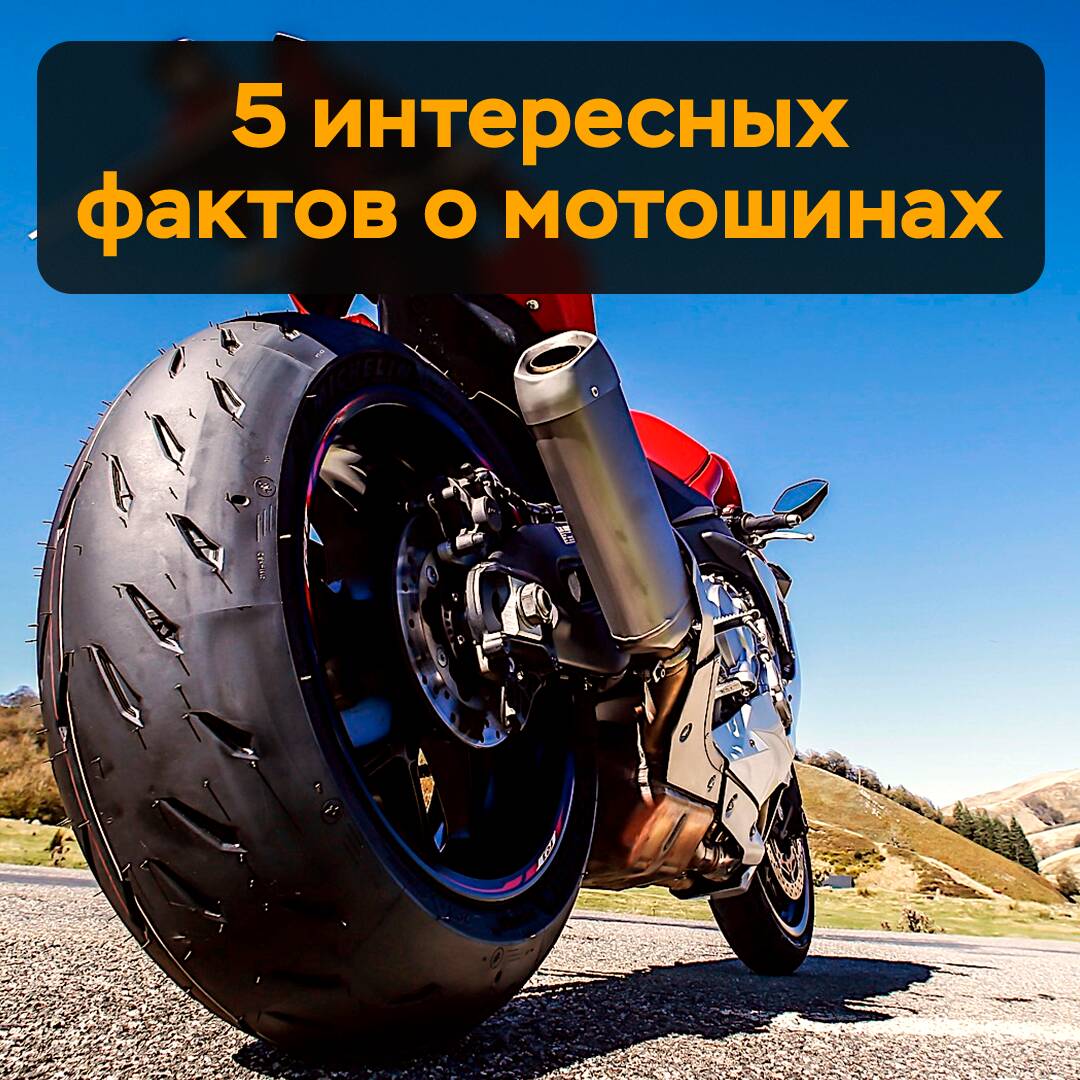
5 interesting facts about motorcycle tires
The most interesting direction of the tire industry is tires for motorcycles. Despite their apparent similarity to car tires, they have a number of fundamental differences. Today, we'll talk about five peculiarities of motorcycle tires.
A huge number of segments
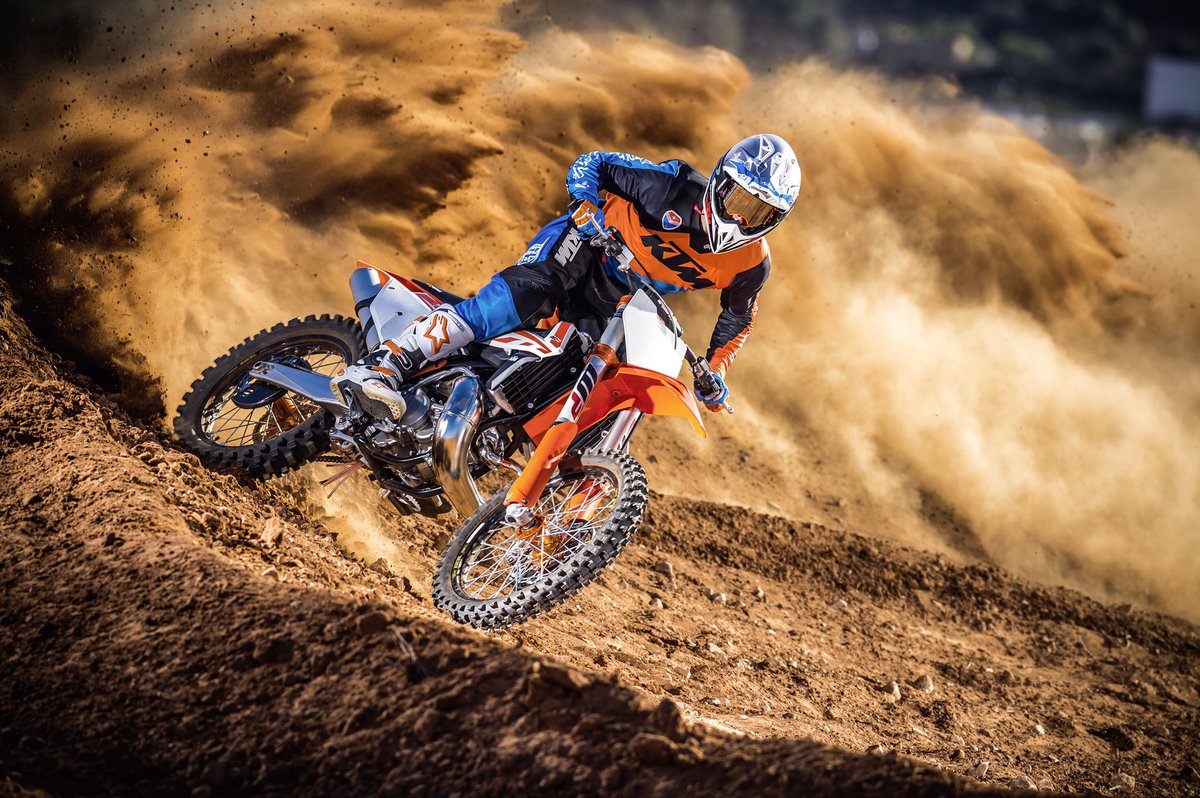
Motor sports enthusiasts have developed tires for all directions. Ice racing, sand, asphalt - each segment has its own unique tires. Unlike car tires, the traction of motorcycle tires plays a crucial role in the safety of the rider. As we've already mentioned, the contact patch of a motorcycle tire can be compared to the size of a bank card. That's why motorcycle tires have a very pronounced tread pattern, which can be used to determine the segment they belong to without error. If it's asphalt racing, the tread pattern is either absent or minimal. If it's off-road racing, the tires have pronounced, rigid blocks for literally grinding through sand and dirt.
The use of special fillers
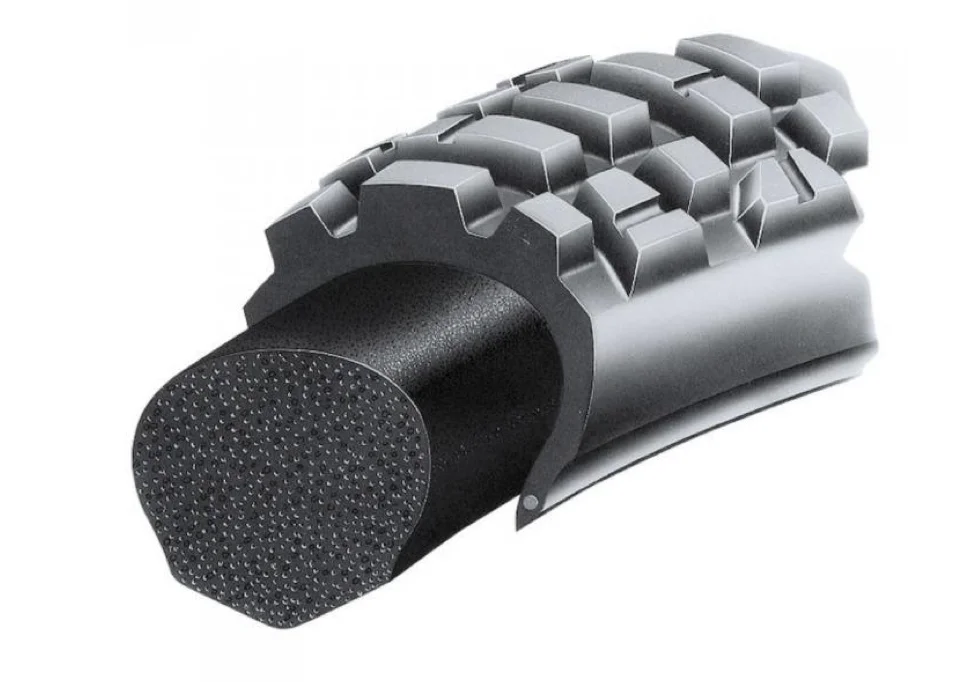
In 1984, Michelin patented a unique product for off-road racing - Bib Mouse. Although many people used to insert a rubber tube into their bicycle tires as kids, this was the first time it was applied in sports. The filler completely replaces the tube and air inside the tire, allowing the rider to continue moving despite numerous punctures. Today, there are several manufacturers of this filler, and some models can provide stiffness equivalent to 0.4 to 1.3 Bar.
Old technologies
In the car tire segment, it's almost impossible to find tires with a diagonal construction. The familiar "R" in the size designation can already be considered an anachronism. Meanwhile, in the motorcycle segment, diagonal tires can still be found quite often. They may not be very efficient in terms of rolling resistance, comfort, and handling, but they still lead in terms of load capacity. Yes, when a manufacturer needs to solve a load capacity issue, and there are only two tires, the old diagonal carcass comes into play.
Construction peculiarities
A car tire is always perpendicular to the road surface, relying on the entire width of its tread. If there are any deviations, they are negligible compared to a motorcycle. A motorcycle can be riding straight, then leaning into a turn, and its tires change their angle of inclination accordingly. Therefore, motorcycle tires must grip the road equally well regardless of the angle of inclination, which is why their cross-sectional profile is initially made rounded, not rectangular like car tires. By the way, it's precisely because of this peculiarity that motorcycle tires are virtually unaffected by aquaplaning.
SPORT TIRES
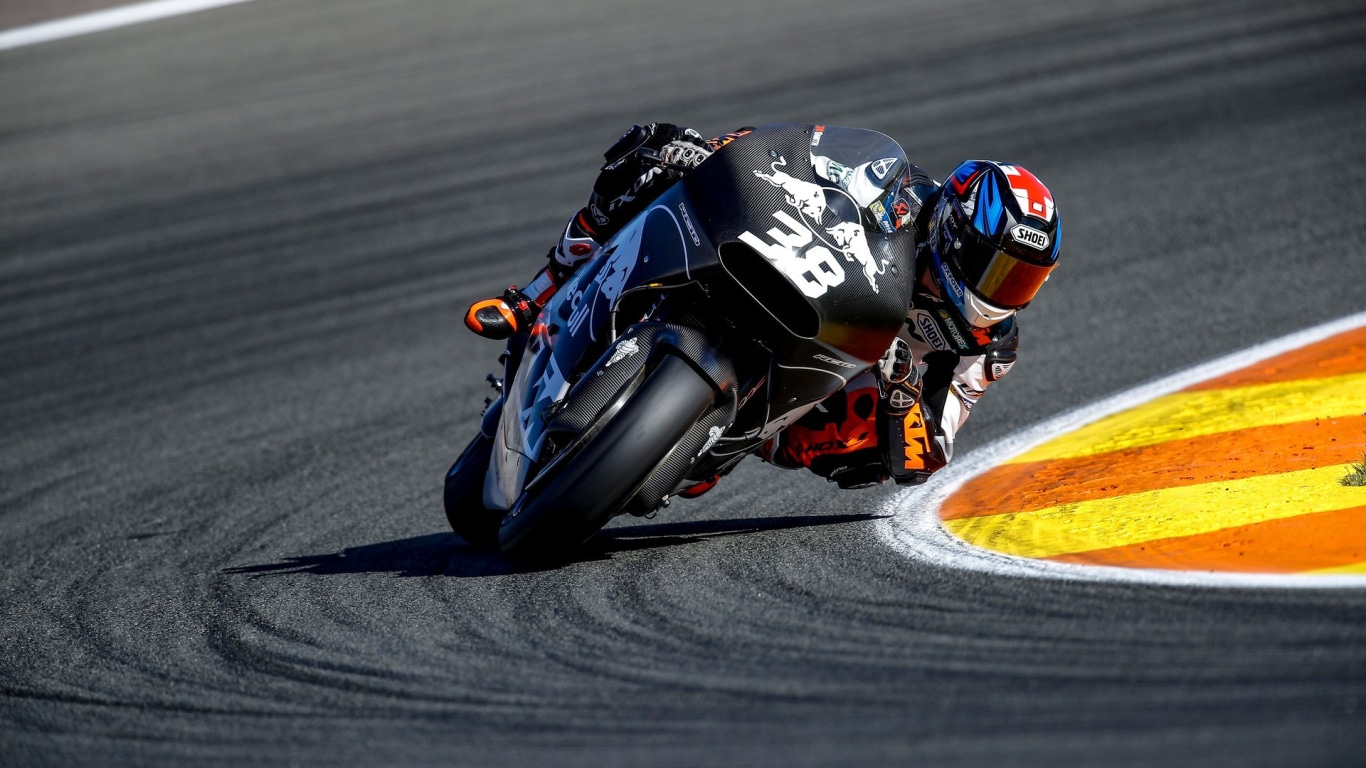
It's incredibly interesting to watch tire companies at races. For example, between 1000 to 1500 tires of different classes and for different weather conditions are sent to each "MOTO GP" race. These tires are literally priceless. Often, there is no competition in tires, so companies supply them to races for free. This is used for advertising and research purposes. After all, during races, tires are subjected to the most rigorous tests by the best riders in the world.