
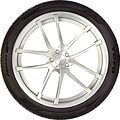
Toyo Proxes S/T III
Tire specifications
DescriptionDescription Toyo Proxes S/T III
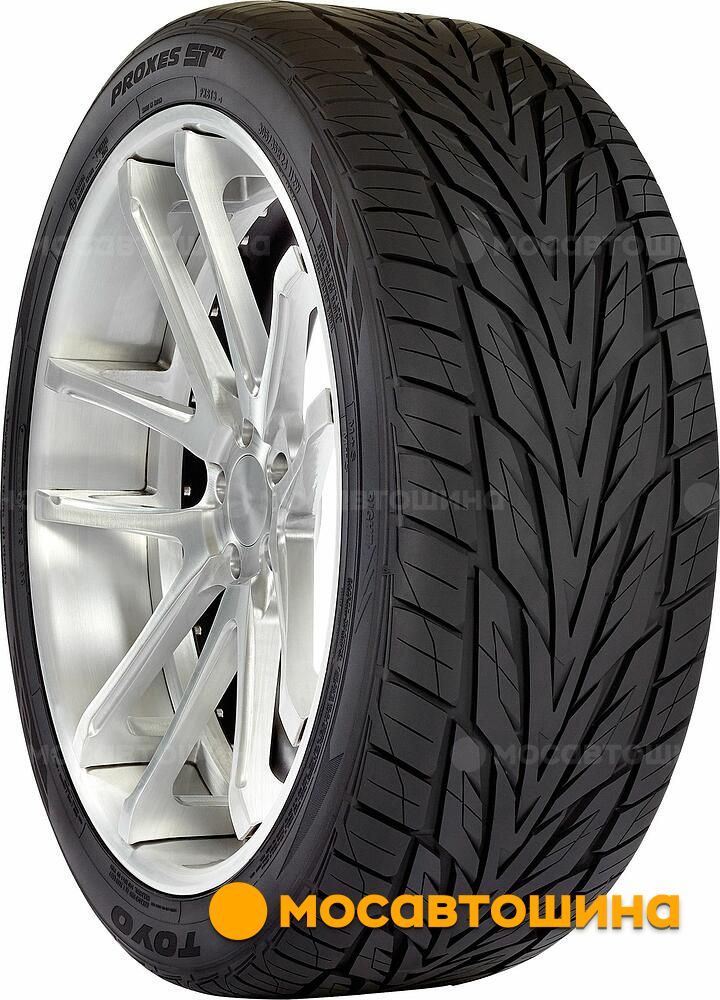
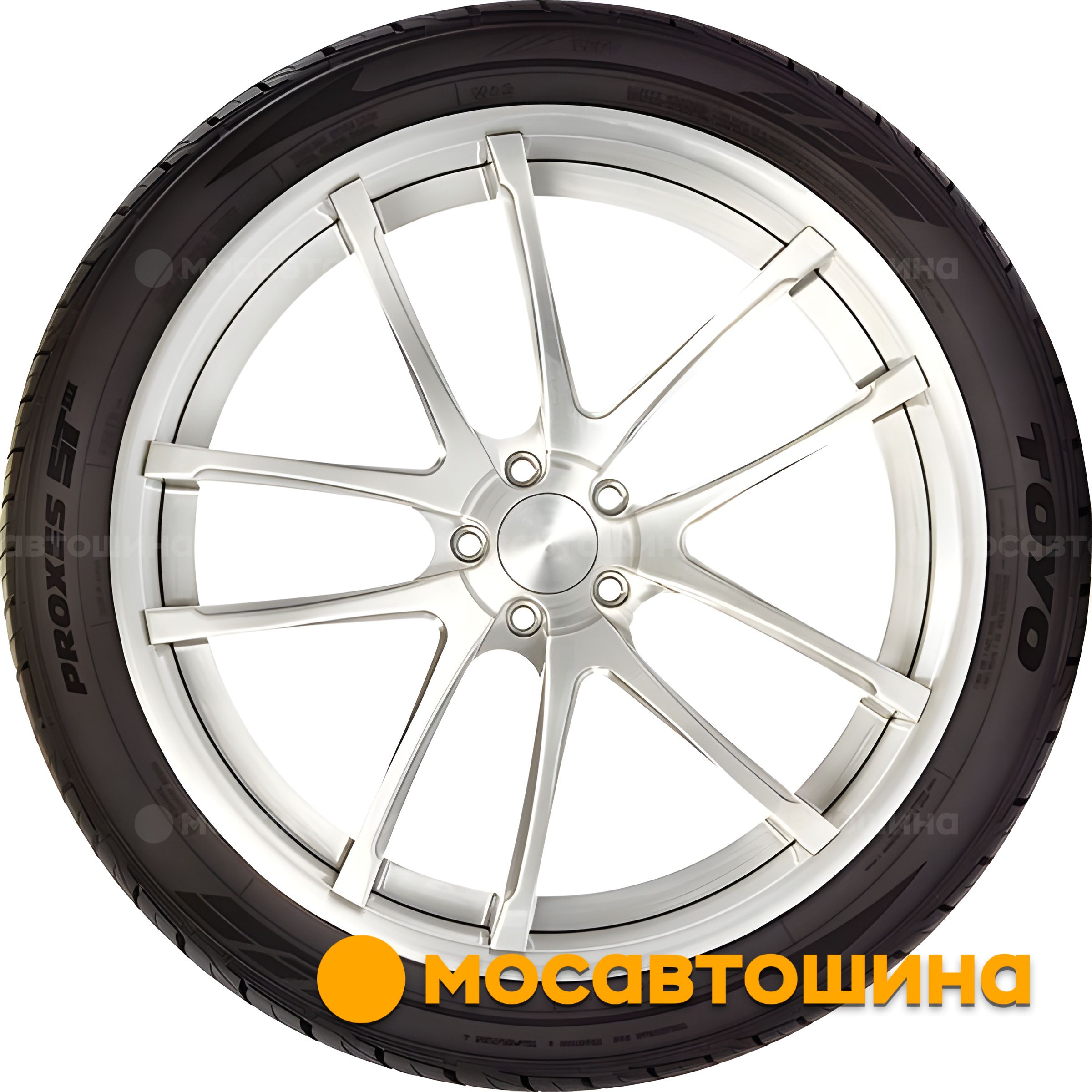
The Toyo Proxes S/T III tire, like its previous generation model, is designed for powerful crossovers and SUVs that are exclusively used on paved roads. It belongs to the UHP category and demonstrates most of its advantages at high speeds. Compared to the previous model, this tire has improved braking efficiency on wet surfaces and handling in dry weather.
Modified tread pattern
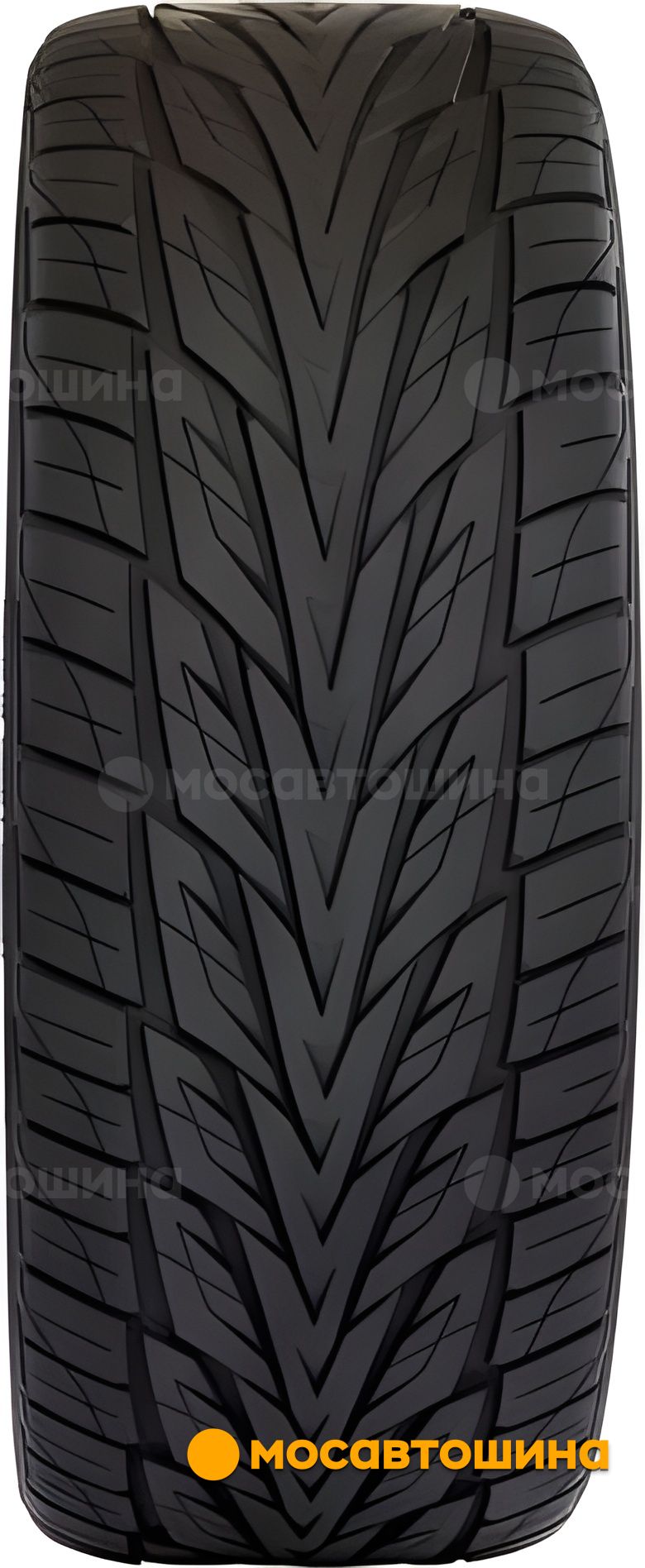
Conceptually, this model is not too different from its predecessor. Japanese tire manufacturers preferred not to abandon the V-shaped tread pattern, but at the same time, they completely redesigned it, essentially creating it from scratch. One of the key differences is the absence of smooth curves characteristic of the tread pattern of the previous generation tire. Additionally, the blocks have increased in size, becoming much stiffer and more resistant to deformation. All changes are driven by the desire to maximize the speed of transmitting longitudinal and transverse accelerations to the tire's carcass elements. This has improved its stability and responsiveness when driving at high speeds.
Lightning-shaped drainage grooves
One of the most significant innovations in the tire's tread design is the longitudinal drainage grooves in the central part. They have a complex zigzag shape, and their width increases as they move towards the shoulder areas. Additionally, the grooves are located at an acute angle to the direction of motion, which, in combination with other features, significantly accelerates the process of water evacuation from the contact patch. The ultimate result of this solution was an increase in the tire's resistance to aquaplaning. This effect is observed at speeds significantly higher than those of the previous generation model.
Arrow-shaped blocks in the center
No less than the drainage grooves, the blocks forming the longitudinal rib that runs exactly along the center of the tread have sharp angles. These elements have an arrow-shaped form and are connected by a rigid bridge that limits their mobility relative to each other. When in contact with the road surface, this rib forms a multitude of additional edges. Being positioned at different angles, they significantly enhance traction on slippery roads and also provide directional stability and stability when driving at high speeds. It's also worth noting the presence of special triangular notches in the central tread blocks. These elements further dry the contact patch, thereby improving traction on wet surfaces.
Parallelogram-shaped blocks
Complex geometric shapes are used in other areas of the tread as well. In particular, the longitudinal ribs adjacent to the shoulder areas are composed of massive blocks with a parallelogram shape. They are directed along and positioned at a slight angle to the wheel's axis of rotation. This solution has improved the tire's traction properties on dry surfaces, and when driving on them at high speeds, it has improved directional stability. Additionally, this gives the tire's reactions to steering wheel turns even more speed and accuracy.
Key features of the Toyo Proxes S/T III tire for crossovers
- a completely modified tread pattern provides the tire with increased efficiency during braking on wet and handling on dry surfaces;
- zigzag-shaped drainage grooves improve resistance to aquaplaning;
- arrow-shaped blocks in the center with triangular notches provide more reliable traction on wet surfaces;
- parallelogram-shaped blocks improve directional stability and also give the tire increased stability during maneuvering and high-speed driving.
In stock and to order 33
| Modification | Availability | Price | ||||||||||||||||||||||||||||||||||||||||||||||||||||||||||||||||||||||||||||||||||||||||||||||||
|---|---|---|---|---|---|---|---|---|---|---|---|---|---|---|---|---|---|---|---|---|---|---|---|---|---|---|---|---|---|---|---|---|---|---|---|---|---|---|---|---|---|---|---|---|---|---|---|---|---|---|---|---|---|---|---|---|---|---|---|---|---|---|---|---|---|---|---|---|---|---|---|---|---|---|---|---|---|---|---|---|---|---|---|---|---|---|---|---|---|---|---|---|---|---|---|---|---|---|
| Toyo Proxes S/T III 225/60 R17 103V XL | 20 850 ₽ | |||||||||||||||||||||||||||||||||||||||||||||||||||||||||||||||||||||||||||||||||||||||||||||||||
| Toyo Proxes S/T III 225/65 R17 106V XL | 18 180 ₽ | |||||||||||||||||||||||||||||||||||||||||||||||||||||||||||||||||||||||||||||||||||||||||||||||||
| Toyo Proxes S/T III 235/65 R17 108V XL | 19 340 ₽ | |||||||||||||||||||||||||||||||||||||||||||||||||||||||||||||||||||||||||||||||||||||||||||||||||
| Toyo Proxes S/T III 255/60 R17 110V XL | 20 470 ₽ | |||||||||||||||||||||||||||||||||||||||||||||||||||||||||||||||||||||||||||||||||||||||||||||||||
| Toyo Proxes S/T III 265/65 R17 112V | 23 870 ₽ | |||||||||||||||||||||||||||||||||||||||||||||||||||||||||||||||||||||||||||||||||||||||||||||||||
| Toyo Proxes S/T III 275/60 R17 110V | 26 660 ₽ | |||||||||||||||||||||||||||||||||||||||||||||||||||||||||||||||||||||||||||||||||||||||||||||||||
| Toyo Proxes S/T III 225/55 R18 102V XL | 21 050 ₽ | |||||||||||||||||||||||||||||||||||||||||||||||||||||||||||||||||||||||||||||||||||||||||||||||||
| Toyo Proxes S/T III 235/60 R18 107V XL | 21 200 ₽ | |||||||||||||||||||||||||||||||||||||||||||||||||||||||||||||||||||||||||||||||||||||||||||||||||
| Toyo Proxes S/T III 245/60 R18 105V | 22 820 ₽ | |||||||||||||||||||||||||||||||||||||||||||||||||||||||||||||||||||||||||||||||||||||||||||||||||
| Toyo Proxes S/T III 255/55 R18 109V XL | 20 630 ₽ | |||||||||||||||||||||||||||||||||||||||||||||||||||||||||||||||||||||||||||||||||||||||||||||||||
Reviews 96
Add a feedback- Dry road
- Wet road
- Comfort
- Course stability
- Silent
- Rate
- Braking
- Aquaplaning
- Speed
- Wearability
- Quality
- Price/performance
- Rate
A good value for a highway tire, though not the quietest with such a tread. Reviews about driving on snow and ice are especially entertaining... and off-road... would you not check the manufacturer's website before buying something, to see what conditions this tire is designed for? After all, it's clearly stated in black and white on the TOYO website - a highway tire! With a 2 out of 5 rating for off-road use.
- Vehicle:
- Volvo XC70
- Control on a dry road
- Steering in the wet
- Drive comfort
- Course stability
- Quiet in motion
- Braking efficiency
- Resistant to aquaplaning
- Velocity characteristics
- Wearability
- Quality of production
- Price justifiability
- Rate
I liked the design, so I got it. Plus it's a new model.
Before that, I had the original Toyo Proxes R36, so all the comparisons are with it. So, let's get started:
-The tire is pretty quiet
-On wet roads, it holds the car better
-On dry roads, it's like riding on rails)
-Fuel consumption increased in the first 2-3 thousand kilometers, but- Vehicle:
- Mazda CX-5
- Buy again?:
- Most likely
- Control on a dry road
- Steering in the wet
- Drive comfort
- Course stability
- Quiet in motion
- Braking efficiency
- Resistant to aquaplaning
- Velocity characteristics
- Wearability
- Quality of production
- Price justifiability
- Rate
I've driven 285/45/20" for three seasons, about 60,000 km (many of them in mountainous areas in the south of the country). The tread is worn out (it's no longer acceptable for me to drive with such a low tread). I'll try to buy the same ones next time. But I think I can sell the old ones without any problems.
I have two Touareg V8 TDI, and on the second one, I have Nokian Hakka Green (with my driving style, it wore out in just one season). Toyo performs excellently at high speeds. Rain, puddles - it's their element. It balances perfectly. Nokian is also excellent, but after a year, it no longer allows itself to be balanced (although there were no significant impacts) and loses to the Japanese in terms of aquaplaning and cornering at high speeds. When driving on Toyo on dry roads, you need to hold the steering wheel firmly. The relatively low-profile tire has very good grip and traction (Nokian is noticeably weaker), but I don't consider this a minus.
Honestly, I've never particularly noticed the noise that many people write about in reviews. I've always been a bit concerned about the uncertain emergency braking from high speeds on any surface, but after driving on Nokian, I realized that it's just the mass and weight distribution of the Touareg, specifically with this engine and transmission.
Interestingly, with the same power output of both my cars (around 400-420 hp), Toyo is unequivocally more economical than Nokian with an aggressive driving style (40-230 km/h, city/slightly highway - Toyo 11.5-12.5 liters, Nokian 12.5-15 liters), but significantly less economical at a constant speed of 150-170 km/h on the highway - for example, from Krasnodar to St. Petersburg (highway - Toyo 10-11.5 liters, Nokian 7-9 liters). I haven't driven in serious off-road or snow conditions. I gave five stars in the corresponding lines of the characteristic evaluation so as not to lower the rating of the tire, which is not designed for snow and ice in principle. The price for Japanese quality is very adequate.
- Vehicle:
- Volkswagen Touareg
- Buy again?:
- Definitely yes
- Control on a dry road
- Steering in the wet
- Drive comfort
- Course stability
- Quiet in motion
- Braking efficiency
- Resistant to aquaplaning
- Velocity characteristics
- Wearability
- Quality of production
- Price justifiability