Tyres and wheels for Hyundai Elantra, wheel size on Хуундаи Елантра
Подбор шин и дисков по автомобилю Хуундаи Елантра

Другие модели Hyundai
Hyundai Accent, Hyundai Alcazar, Hyundai Amica, Hyundai Aslan, Hyundai Atos, Hyundai Atos Prime, Hyundai Aura, Hyundai Avante, Hyundai Avante N, Hyundai Azera, Hyundai Bayon, Hyundai Casper, Hyundai Casper Electric, Hyundai Celesta, Hyundai Centennial, Hyundai Click, Hyundai Coupe, Hyundai Creta, Hyundai Creta Grand, Hyundai Custin, Hyundai Custo, Hyundai Dynasty, Hyundai Elantra, Hyundai Elantra EV, Hyundai Elantra GT, Hyundai Elantra HD, Hyundai Elantra Langdong, Hyundai Elantra LaVita, Hyundai Elantra Lingdong, Hyundai Elantra N, Hyundai Elantra Touring, Hyundai Elantra Yuedong, Hyundai Elexio, Hyundai Elite i20, Hyundai Encino, Hyundai Entourage, Hyundai EO, Hyundai Eon, Hyundai Equus, Hyundai Excel, Hyundai Exter, Hyundai Galloper, Hyundai Genesis, Hyundai Genesis Coupe, Hyundai Getz, Hyundai Grand Creta, Hyundai Grand i10, Hyundai Grand i10 Nios, Hyundai Grand Santa Fe, Hyundai Grand Starex, Hyundai Grandeur, Hyundai H-100, Hyundai H1, Hyundai H300, Hyundai H350, Hyundai HB20, Hyundai HB20S, Hyundai HB20X, Hyundai HR, Hyundai i10, Hyundai i20, Hyundai i20 Active, Hyundai i20 Coupe, Hyundai i20 N, Hyundai i25, Hyundai i30, Hyundai i30 Fastback, Hyundai i30 Fastback N, Hyundai i30 N, Hyundai i30 Sedan, Hyundai i30 Sedan N, Hyundai i40, Hyundai i45, Hyundai i800, Hyundai iLoad, Hyundai iMax, Hyundai Inster, Hyundai Ioniq, Hyundai IONIQ 5, Hyundai IONIQ 5 N, Hyundai Ioniq 6, Hyundai IONIQ 6 N, Hyundai IONIQ 9, Hyundai ix20, Hyundai ix25, Hyundai ix35, Hyundai ix55, Hyundai ix55 (Veracruz), Hyundai JM, Hyundai Kauai, Hyundai Kona, Hyundai Kona N, Hyundai Kusto, Hyundai Lafesta, Hyundai Lantra, Hyundai Lavita, Hyundai Marcia, Hyundai Matrix, Hyundai Maxcruz, Hyundai Mighty, Hyundai Mistra, Hyundai Mufasa, Hyundai Nexo, Hyundai NF, Hyundai Palisade, Hyundai Pony, Hyundai Porter, Hyundai Porter II, Hyundai Reina, Hyundai Santa Cruz, Hyundai Santa Fe, Hyundai Santa Fe Classic, Hyundai Santa Fe Sport, Hyundai Santa Fe XL, Hyundai Santamo, Hyundai Santro, Hyundai Santro Xing, Hyundai Santro Zip, Hyundai Scoupe, Hyundai Solaris, Hyundai Solati, Hyundai Sonata, Hyundai Sonata Hybrid, Hyundai Sonata NF, Hyundai Sonica, Hyundai ST1, Hyundai Starex, Hyundai Stargazer, Hyundai Stargazer X, Hyundai Staria, Hyundai Terracan, Hyundai Tiburon, Hyundai Tiburon Turbulence, Hyundai Trajet, Hyundai Tucson, Hyundai Tucson L, Hyundai Tuscani, Hyundai Veloster, Hyundai Veloster N, Hyundai Venue, Hyundai Veracruz, Hyundai Verna, Hyundai Verna RV, Hyundai Xcent, Hyundai XG, Hyundai XG300, Hyundai XG350,Параметры дисков на Хуундаи Елантра
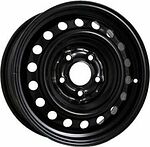
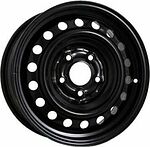
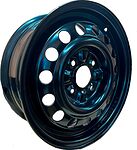
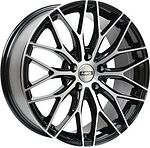
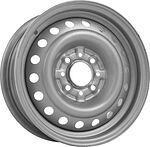
- PCD 4x114.3 диаметром от 14 до 15, шириной от 5.5 до 5.5 и профилем от ET46 до ET46как у Mitsubishi Colt
- PCD 5x114.3 диаметром от 15 до 18, шириной от 5.5 до 7.5 и профилем от ET42 до ET55как у Honda Accord
Tires on Hyundai Elantra
- Tyre size from R13 to R18, width from 175 to 235 and profile from 40 to 70
- Minimum tyre size: 175/65 R14, maximum: 235/40 R18
Favorite winter tires
Наиболее популярные модели шин






Photos of tyres on Hyundai Elantra
![Автомобильные шины Windforce Catchfors H/P на автомобиле hyundai elantra [2590]](/i/w2a/56842289.jpg "Автомобильные шины Windforce Catchfors H/P на автомобиле hyundai elantra [2590]")
Tires on Hyundai Elantra (Хуундаи)
The Hyundai Elantra is a compact car in the C segment. It has been produced since 1990. Initially, it was called Lantra, as Mitsubishi offered a similar model with a similar name, Magna Elante, as well as Avante, which was similar to the Audi Avant wagon. In 2001, the car received its modern name - Elantra.Body J1
The first public appearance of this car took place in October 1990. It became the successor to the larger Stellar, successfully competing with the then leaders of the segment due to its lower price. The engine range was limited to a single gasoline engine with a volume of 1.6 liters and a power of 113 hp, developed by Mitsubishi. In 1992, a so-called "facelift" was carried out, thanks to which the car received a more harmonious appearance with more rounded body panels. The engine range was expanded with inline "fours" with a volume of 1.5 and 1.8 liters, also developed by Mitsubishi. In addition, the standard equipment list included ABS brakes, front airbags, fog lights, and electric side mirrors.Body J2/RD
The release of the second-generation car took place in 1995. It was offered with two body types. In addition to the previously existing sedan, a wagon was added. The latter was distinguished by the absence of a false radiator grille above the bumper, and this space was closed by the bumper. The engine range was completely borrowed from the previous model, being represented by inline "fours" with a volume of 1.5 to 1.8 liters of the Alpha and Beta series. In 1998, the car underwent a restyling, during which the wagon returned to the false radiator grille. Another innovation was the appearance of a version with a 1.9-liter diesel engine with a power of 68 hp, developed by PSA, as well as with a 2-liter gasoline engine.Body XD
The car of the third generation was presented in 2000. This was a completely new model that did not resemble its predecessor even externally. Another innovation was the disappearance of the wagon from the lineup, which was replaced by a liftback. The engine range was significantly expanded, partly composed of previously used engines, but modernized to meet current environmental standards.Body HD
In 2006, the brand presented a car of the fourth iteration, which was a deep modernization of the previous generation model. Externally, it was distinguished by rounded forms, while maintaining the same interior and trunk space. The engine range remained virtually unchanged and consisted of gasoline inline "fours" with a volume of 1.6 to 2 liters of the Gamma and Beta series, as well as a turbocharged 1.6-liter diesel engine. All power units were distinguished by moderate fuel appetite and were combined with a 5-speed "mechanics" or an optional 4-speed "automatic".Body MD/UD/JK
In 2010, the car changed its appearance again. The fifth-generation model was distinguished by a more aggressive exterior and was offered with two body types - sedan and coupe. The car was built on the "global" J5 platform, which was used in many other models of the Hyundai-Kia concern. When using many mechanical components from the predecessor, it was distinguished by a much wider list of standard and additional equipment. Moreover, over the years of serial production, the list of standard equipment was constantly expanding, which largely determined the popularity of this car.Body AD
The launch of the sixth-generation car into serial production took place in 2015. Compared to its predecessor, the design became more conservative. At the same time, the sedan became more similar to a fastback due to the inclination and location of the rear glass. Similar changes were made to the interior, which featured a less curved dashboard than before. The engine range consisted of inline gasoline "fours" of its own design from the Kappa and Gamma series, which made up the majority of sales, as well as a new 1.6-liter Smartstream engine. In turn, the "diesel" part was represented by a 1.6-liter engine of the U series.Body CN7
In the seventh generation, presented in 2020, the car again underwent significant changes in appearance, while maintaining its tendency to fastback, remaining a sedan. Compared to its predecessor, the interior space increased significantly, especially in the legroom area of the rear seat passengers, and a new dashboard with two displays appeared. The use of the new CL4 platform made it possible to significantly expand the list of electronic systems aimed at increasing safety. The "base" engine is still a 1.6-liter gasoline engine, which works in pair with a 6-speed "automatic", which has become part of the standard equipment of most versions. In turn, the "charged" version N-Line, as before, is equipped with a 1.6-liter turbocharged Smartstream G engine. In addition, a version with an updated "hybrid" power plant appeared, where an electric motor is used during parking and coasting. Even today, on domestic roads, you can still find cars of the first generations, not to mention those produced much later. For all these models, the online store "Mosavtoshina" offers a wide range of tires and wheels.Advantages of selecting tires for Hyundai Elantra on our website:
- the catalog is constantly updated and contains both new and already popular models;- the automated selection system will offer at least several attractive options in a matter of seconds;
- all positions in the catalog are offered with extended warranty periods;
- any difficulties that arise during selection can be resolved by contacting the online store managers.