Tyre reviews Bridgestone Blizzak DM V3. Page 1 290
-
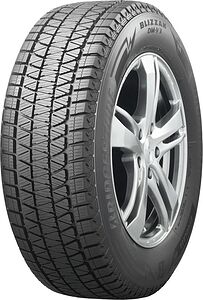
Bridgestone Blizzak DM V3

Статистика отзывов на шины Bridgestone Blizzak DM V3
Ниже отображены сводные характеристики шины, основанные на отзывах и оценках автовладельцев со всего мира.
При учёте общей оценки летней шины её показатели на снегу и льду не учитываются.
- Средняя оценка шин Bridgestone Blizzak DM V3 пользователями сайта:
- Количество отзывов на шины Bridgestone Blizzak DM V3: 290 шт.
- Место в рейтинге: 447
- Место в рейтинге (зимние): 96
- Control on a dry road
- Steering in the wet
- Control in the snow
- Control on ice
- Drive comfort
- Quiet in motion
- Braking efficiency
- Resistant to aquaplaning
- Velocity characteristics
- Wearability
- Quality of production
- Price justifiability
Оценки шин Bridgestone Blizzak DM V3 по месяцам
- Rate
Dear Editor, Chase your editors. The tire came out in December 2019, and the author of one of the fake reviews has been driving on it for four seasons already. Is he from the future?
- Vehicle:
- Bugatti Chiron
- Control on a dry road
- Steering in the wet
- Control in the snow
- Control on ice
- Drive comfort
- Course stability
- Quiet in motion
- Braking efficiency
- Resistant to aquaplaning
- Velocity characteristics
- Wearability
- Quality of production
- Price justifiability
- Rate
I'm astonished by some, one drives for 7 seasons, another for 4, they seem to be tire testers from the factory. I was able to experience the excellent qualities of this tire for the first time, previously I only had studs and only Nokia. This winter, unlike the previous one, gave me the opportunity to understand that in Moscow, the DM V3 is what you need. I had to drive the car in different conditions, including ice. Of course, the Audi electronics does
- Vehicle:
- Audi Q7
- Buy again?:
- Most likely
- Control on a dry road
- Steering in the wet
- Control in the snow
- Control on ice
- Drive comfort
- Course stability
- Quiet in motion
- Braking efficiency
- Resistant to aquaplaning
- Velocity characteristics
- Wearability
- Quality of production
- Price justifiability
- Rate
Previously I had Bridgestone DMV2, Nokian Hakkapeliitta 7, and this autumn I installed DMV3. In comparison with DMV2 - it's fire! The car corners smoothly, on the ice it behaves as expected. Very little side slip. It's not fair to compare with Nokian though - it had studs. But I can say for sure that it's not worse. I write this review after the cyclone brought abundant snowfall. The
- Vehicle:
- Toyota FJ Cruiser
- Buy again?:
- Definitely yes
- Control on a dry road
- Steering in the wet
- Control in the snow
- Control on ice
- Drive comfort
- Course stability
- Quiet in motion
- Braking efficiency
- Resistant to aquaplaning
- Velocity characteristics
- Wearability
- Quality of production
- Price justifiability
- Rate
The first generation RAV4 (permanent four-wheel drive) ran on the previous generation DM-Z3 for many years (including in the Arctic region). These were wonderful tires from Japan. They never let me down, not once. In 2020, I bought this highly advertised new model (215/65 R16, which turned out to be made in Russia). In comparison, even with 40% worn-out DM-Z3, they are worse. I'm disappointed. At a roundabout, when it's slightly slippery (snow on ice), I brake (up to the ABS screeching at the end of braking), but the car doesn't seem to want to stop. I'm overcome with vague doubts that the ones made in Russia and in Japan are different tires (if you can say that).
- Vehicle:
- Toyota RAV4
- Control on a dry road
- Steering in the wet
- Control in the snow
- Control on ice
- Drive comfort
- Course stability
- Quiet in motion
- Braking efficiency
- Resistant to aquaplaning
- Velocity characteristics
- Wearability
- Quality of production
- Price justifiability
- Rate
Of all the tires, this one is the best. The only downside is that it wears out quickly. I've worn it out over the winter. Many trips on the highway. Apparently, the 170km/h index can't handle speeds above 140-150.
- Vehicle:
- Toyota Tundra
- Buy again?:
- Most likely
- Control on a dry road
- Steering in the wet
- Control in the snow
- Control on ice
- Drive comfort
- Course stability
- Quiet in motion
- Braking efficiency
- Resistant to aquaplaning
- Velocity characteristics
- Wearability
- Quality of production
- Price justifiability
- Rate
It's time to write a review about these tires. The car was purchased with fairly worn-out V2 and V1 tires, so for this winter, I decided to update the tires to feel more confident, and new tires are always more pleasant in all respects. The tires are made in Russia, size 235/60/18. I installed them on the car in September and ran them in, then waited for normal frosts below -40, which happened recently. I won't compare them to the old ones - it's incorrect, I'll just describe the sensations.
I had to test them in a good snowfall with a blizzard at -15 - they drive great on the asphalt highway, there's almost no noise, and the handling is predictable and confident. After leaving the highway, I had to drive about a kilometer through freshly fallen deep snow - the tires dig in perfectly, the car's systems were not activated, except for one moment when I got stuck deep enough to engage the forced four-wheel drive - there were no questions here - I calmly drove out of the snow and returned to the highway.
I also had to drive through snowy mush in a borderline temperature regime - I won't compare it to studded tires - it's not correct, but the tires left a very good impression - the braking distance is predictable, the start after stopping is very confident, and the turns are held perfectly.
The -40 test showed that the tires are almost completely unaffected by squareness after a long period of inactivity - I sat down and drove off, no jerks. They drive confidently, there's no "glassiness".
- Vehicle:
- Lexus RX
- Buy again?:
- Definitely yes
- Control on a dry road
- Steering in the wet
- Control in the snow
- Control on ice
- Drive comfort
- Course stability
- Quiet in motion
- Braking efficiency
- Resistant to aquaplaning
- Velocity characteristics
- Wearability
- Quality of production
- Price justifiability
- The product was purchased at Mosautoshina
- Rate
Excellent winter tires for crossovers and heavy off-road vehicles. The first impression - the rubber is very soft, minor irregularities are handled very well. Quiet, like a normal summer highway. The "grip" is decent on all types of surfaces. I switched to them from studded tires and was pleasantly surprised. On pure ice with a water film, studded tires will be better, but only while they are new. In fact, the tires turned out to be more grippy on all types of surfaces than 3-year-old studded tires from Goodyear, which, however, 90% of the time drove on clean asphalt, and as a result, some of the studs wore out, and some flew out (such are the winters in St. Petersburg). Over 20,000 km on a heavy off-road vehicle, they wore out by 2-3 mm, depending on the axle. Before reaching the "legal" remainder, at the current rate of wear, they will last another 70-80,000 km. Definitely worth their money.
- Vehicle:
- Chevrolet Tahoe
- Size:
- 275/55 R20 117T XL
- Buy again?:
- Definitely yes
- City:
- Saint Petersburg
- Control on a dry road
- Steering in the wet
- Control in the snow
- Control on ice
- Drive comfort
- Course stability
- Quiet in motion
- Braking efficiency
- Resistant to aquaplaning
- Velocity characteristics
- Wearability
- Quality of production
- Price justifiability
- The product was purchased at Mosautoshina
- Rate
Excellent "slippers". R20 265/55.
On the move, comfortable and do not hum, in turns, they steadily hold the car, and ruts during movement are not felt.
However, one needs to take into account the reality of the roads.
According to Land Rover's recommendation, the pressure should be 2.4, but in regions with poor urban roads, the wheels transmit potholes to the body quite strongly. When the pressure is reduced to 2.2, driving becomes significantly more comfortable for both the driver and the suspension.- Vehicle:
- Land Rover Range Rover
- Size:
- 265/50 R20 107T
- Buy again?:
- Definitely yes
- City:
- Moscow
- Control on a dry road
- Steering in the wet
- Control in the snow
- Control on ice
- Drive comfort
- Course stability
- Quiet in motion
- Braking efficiency
- Resistant to aquaplaning
- Velocity characteristics
- Wearability
- Quality of production
- Price justifiability
- Rate
Something, though, Bridgestone does well: quality tread compound. Sipes - yes, sipes - that are bonded so securely to the road surface even on ice you shouldn't have any trouble controlling the car.
- Vehicle:
- Hyundai Sonata Hybrid
- Control on a dry road
- Steering in the wet
- Control in the snow
- Control on ice
- Course stability
- Drive comfort
- Quiet in motion
- Braking efficiency
- Resistant to aquaplaning
- Velocity characteristics
- Wearability
- Quality of production
- Price justifiability
- The product was purchased at Mosautoshina
- Rate
I bought these tires due to the lack of studded alternatives in the original (various widths) size. I chose the DM V3 based on my life experience in the Far East (where they are considered the best) and I have never regretted it! In the middle lane, the tires also show themselves perfectly. Excellent grip on all types of winter coatings (even by the standards of studded tires) and, most importantly, understandable and predictable handling. They work well with the car's stabilization systems. And all this with a high level of comfort, characteristic of non-studded tires. One drawback - they pick up all the dirt from the road, the car gets dirty very quickly. In all other respects - only delight. I assume that for such a combination of qualities, I will have to pay with a not very high resource, but I am ready for it.
- Vehicle:
- BMW X5 (F15)
- Size:
- 255/50 R19 107T XL
- Buy again?:
- Definitely yes
- City:
- Великий Новгород
- Control on a dry road
- Steering in the wet
- Control in the snow
- Control on ice
- Drive comfort
- Course stability
- Quiet in motion
- Braking efficiency
- Resistant to aquaplaning
- Velocity characteristics
- Wearability
- Quality of production
- Price justifiability