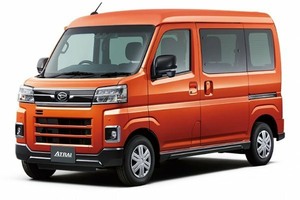
Tyres and wheels for Daihatsu Atrai, wheel size on Даихатсу Атраи
Подбор шин и дисков по автомобилю Даихатсу Атраи
Другие модели Daihatsu
Daihatsu Altis, Daihatsu Applause, Daihatsu Atrai, Daihatsu Atrai 7, Daihatsu Atrai Wagon, Daihatsu Ayla, Daihatsu Be-Go, Daihatsu Boon, Daihatsu Boon Luminas, Daihatsu Cast, Daihatsu Cast Activa, Daihatsu Cast Sport, Daihatsu Cast Style, Daihatsu Charade, Daihatsu Coo, Daihatsu Copen, Daihatsu Cuore, Daihatsu Dario Terios, Daihatsu Delta Wagon, Daihatsu Delta Wide, Daihatsu Esse, Daihatsu Feroza, Daihatsu Gran Max, Daihatsu Gran Move, Daihatsu Hi-Max, Daihatsu Hijet, Daihatsu Hijet Caddie, Daihatsu Hijet Truck, Daihatsu Leeza, Daihatsu Luxio, Daihatsu Materia, Daihatsu Max, Daihatsu Mebius, Daihatsu Mira, Daihatsu Mira Avy, Daihatsu Mira Cocoa, Daihatsu Mira Custom, Daihatsu Mira e:S, Daihatsu Mira Gino, Daihatsu Mira Gino 1000, Daihatsu Mira Tocot, Daihatsu Move, Daihatsu Move Canbus, Daihatsu Move Conte, Daihatsu Move Conte Custom, Daihatsu Move Custom, Daihatsu Move Latte, Daihatsu Naked, Daihatsu Opti, Daihatsu Pyzar, Daihatsu Rocky, Daihatsu Rugger, Daihatsu Sigra, Daihatsu Sirion, Daihatsu Sonica, Daihatsu Storia, Daihatsu Taft, Daihatsu Tanto, Daihatsu Tanto Custom, Daihatsu Tanto Exe, Daihatsu Tanto Exe Custom, Daihatsu Tanto FunCross, Daihatsu Terios, Daihatsu Terios Kid, Daihatsu Terios Lucia, Daihatsu Thor, Daihatsu Thor Custom, Daihatsu Trevis, Daihatsu Wake, Daihatsu Xenia, Daihatsu YRV,Параметры дисков на Даихатсу Атраи
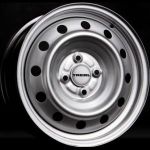
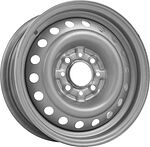
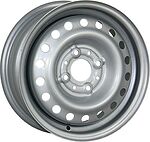
- PCD 4x100 диаметром от 13 до 13, шириной от 4.5 до 4.5 и профилем от ET45 до ET45как у Chevrolet Spark
- PCD 4x110 диаметром от 12 до 12, шириной от 4B до 4B и профилем от ET40 до ET40

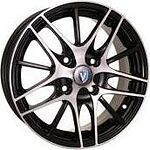
Tires on Daihatsu Atrai
- Tyre size from R12 to R14, width from 155 to LT155 and profile from 65 to 80.
- Minimum tyre size: 155/70 R13, maximum: LT155/80 R12
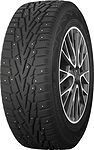




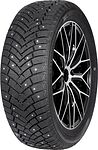

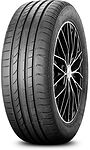
Tires on Daihatsu Atrai (Даихатсу)
In 1981, the Japanese company introduced the Daihatsu Atrai minivan, created on the basis of the utilitarian Daihatsu Hijet model. The novelty was an attempt to turn a commercial kei car into a more comfortable family vehicle, without going beyond the strict Japanese requirements for compact cars in the kei category. Atrai received improved interior trim, an extended list of equipment, and a more passenger-oriented layout. Unlike the base Hijet, where cargo capacity was a priority, Atrai focused on comfort and versatility.First Generation
The appearance of this car was a logical development of the Hijet platform, which had already proven itself as a reliable basis for small commercial vehicles. The design of the first generation retained the characteristic kei car layout with an engine located under the floor or in the rear of the body. This architecture allowed for the most efficient use of internal volume.
Externally, Atrai differed from Hijet with a more expressive front-end design and additional comfort elements. Already in the early versions, sliding side doors, improved sound insulation, and full-fledged passenger interior trim were offered. The internal space was designed for the transportation of four people, and the rear seat row could be folded, increasing the volume of the trunk.
The power units met the requirements of the Japanese kei segment. Compact 3-cylinder gasoline engines with a volume of 550 "cubes" were used, working in conjunction with a manual transmission. Despite the modest power, the car was distinguished by its economy and good maneuverability in urban environments.
Second Generation
In 1994, the next-generation minivan debuted, which was created on the modernized Hijet platform of the eighth generation. Changes affected both design and technology. The body became more efficient in terms of aerodynamics, and the salon received a significantly more modern design.
One of the key differences of the second generation was the possibility of choosing between monodrive and all-wheel drive. This version was especially in demand in regions of Japan with harsh winters and mountainous terrain. Compared to similar versions of Suzuki Every, the Daihatsu model differed with a softer suspension setting and better sound insulation.
The engine range also changed: after the reform of Japanese legislation for kei cars, the volume of power units increased to 660 "cubes". The new engines received electronic fuel injection and improved environmental efficiency. Some versions were equipped with a turbocharger, which significantly improved the dynamics of the compact minivan. Another difference was the abandonment of the leaf spring rear axle in favor of a 3-link independent suspension.
The equipment became much richer. Depending on the configuration, the car could receive air conditioning, electric windows, central locking, and an audio system. For family buyers, modifications with transforming seats and additional interior trim options were also offered.
Third and Subsequent Generations
In later generations, the car finally formed as a compact family minivan, distinguished by high practicality. The body became higher and wider, which allowed to increase the space for passengers and improve the ergonomics of the salon. One of the characteristic features of modern versions is a high level of transformation of the salon. Seats can be folded in various combinations, turning a small car into either a compact cargo van or a comfortable space for travel. Such versatility became an important advantage over many competitors in the segment.
Modern engines with a volume of 660 "cubes" meet strict Japanese environmental standards and are distinguished by high fuel economy. Depending on the modification, atmospheric and turbocharged versions are available. The transmission can include both a manual gearbox and a variator. Additional equipment includes stabilization systems, rear-view cameras, multimedia complexes, and parking assistance systems. As a result, Atrai has turned into a full-fledged urban minivan, which combines compact dimensions with an unexpectedly high level of comfort.
For this minivan, compact wheels characteristic of kei cars are used. The most common landing diameter is 12 or 13 inches, and popular tire sizes are 145/80 R12 and 145/70 R13. They can be conveniently selected in the online store "Mosavtoshina", where a wide range of wheel sets is presented.
Advantages of selecting tires for Daihatsu Atrai on our website:
- the assortment includes various tire models for compact urban cars, which allows you to choose the optimal option for daily operation;
- a wide selection of disks with suitable parameters gives the opportunity to maintain the factory settings of the chassis or choose a more stylish-looking option;
- automated search provides wide opportunities for independent selection of optimal wheel products using only a few parameters;
- specialists will provide the most detailed information on any item in the catalog.