Tyre reviews Bridgestone Turanza ER30. Page 1 542
-
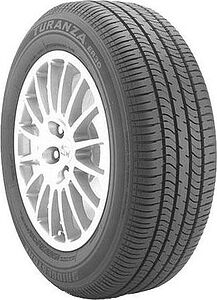
Bridgestone Turanza ER30
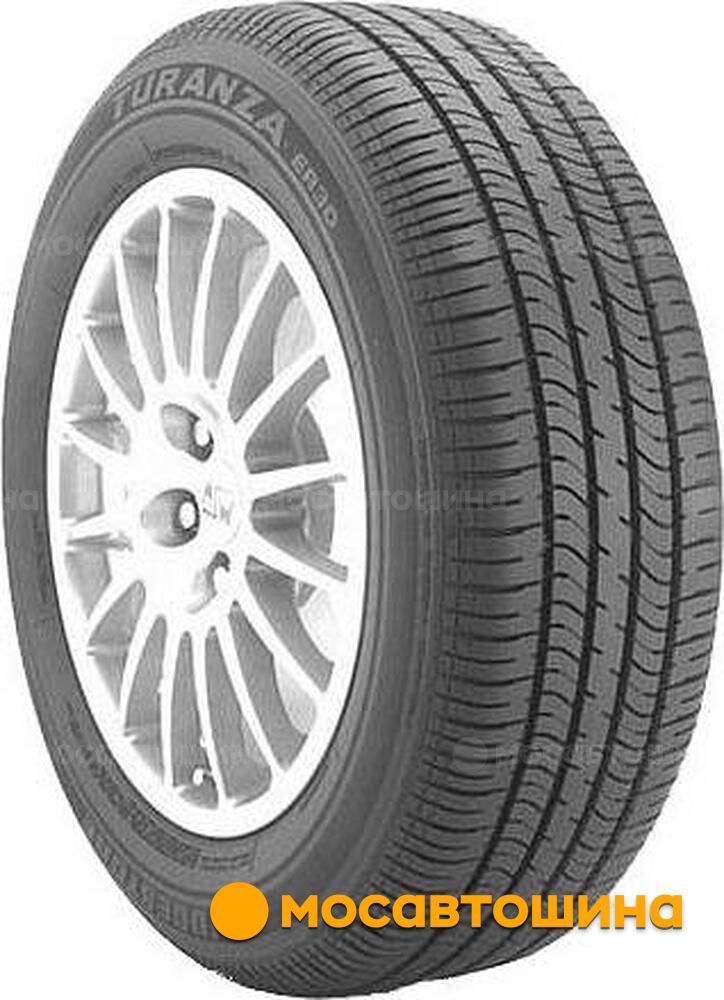
Статистика отзывов на шины Bridgestone Turanza ER30
Ниже отображены сводные характеристики шины, основанные на отзывах и оценках автовладельцев со всего мира.
При учёте общей оценки летней шины её показатели на снегу и льду не учитываются.
- Средняя оценка шин Bridgestone Turanza ER30 пользователями сайта:
- Количество отзывов на шины Bridgestone Turanza ER30: 542 шт.
- Место в рейтинге: 1308
- Место в рейтинге (летние): 650
- Control on a dry road
- Braking on dry roads
- Steering in the wet
- Braking on wet roads
- Control on dirt
- Drive comfort
- Internal noise
- Quiet in motion
- Rate
- Resistant to aquaplaning
- Velocity characteristics
- Wearability
- Quality of production
- Price/performance
Оценки шин Bridgestone Turanza ER30 по месяцам
- Rate
Bridgestone Turanza ER30 (Japan) was a standard fitment on the new Mitsubishi Lancer 9 (1.6 engine, Interior trim), purchased in 2007 from an official dealer as a second vehicle for the family.
Prior to putting on Bridgestone tires, I had only driven on Pirelli, Nokian, Michelin, and Falken tyres.
Tire size: 15 inches, 195/60
After nearly 38,000 km
- Vehicle:
- Mitsubishi Lancer 1,6L 2003-2007
- Control on a dry road
- Steering in the wet
- Course stability
- Drive comfort
- Quiet in motion
- Braking efficiency
- Resistant to aquaplaning
- Velocity characteristics
- Wearability
- Quality of production
- Price justifiability
- Rate
Standing on the Lancer 9, it had come with him from Japan. Ran 50,000 km and wear about 40%! Excellent stability even at high speeds, I drove into such holes that it's scary to recall, and accordingly, the result - NOTHING! Absolutely no damage, even a hint is not there. Completely suitable for Russian roads, practically eternal. Makes noise, but for me, it's not critical.
- Vehicle:
- Mitsubishi Lancer 1,6L 2003-2007
- Control on a dry road
- Steering in the wet
- Course stability
- Drive comfort
- Quiet in motion
- Braking efficiency
- Resistant to aquaplaning
- Velocity characteristics
- Wearability
- Quality of production
- Price justifiability
- Rate
Good tires
I'm generally surprised by the reviews of those who get bulges on these tires. Bridgestone has the stiffest sidewall in mid-profile tires (I have 195/60 R15), after repeatedly driving at a decent speed on Kaluga and Bryansk "highways of WWII times" I'm all right, knock on wood. Acquaintances in the same places changed the wheel due to a bulge. It's also clear with mud - not for these
- Control on a dry road
- Steering in the wet
- Control on dirt
- Quiet in motion
- Rate
- Wearability
- Price/performance
- Rate
The tires were included with the car purchase from the previous owner. At the time of purchase, the tread depth was approximately 80% of new. Plus, I drove over 40,000 km on it!!! The summer tire was only used during the warm season. It was used aggressively - without braking before potholes, tram tracks, and other obstacles. As a result, the wheels remained round and the sidewalls remained whole, without bulges.
- Vehicle:
- Toyota Camry 2,2L 1991-1998
- Control on a dry road
- Steering in the wet
- Course stability
- Drive comfort
- Quiet in motion
- Braking efficiency
- Resistant to aquaplaning
- Velocity characteristics
- Wearability
- Quality of production
- Price justifiability
- Rate
I've read a lot of reviews about these tires and as usual, people have different opinions. Of course, the tire is a bit noisy, but it's hard to compare it with anything. It holds the road perfectly, both on dry and wet surfaces. I was pleasantly surprised by the wear: initially, there was an impression that the tire was made of wood, but it turned out to be a wrong opinion, and despite the mileage of 20-25 thousand kilometers per season, after the
- Vehicle:
- BMW 7 (E65, E66)
- Buy again?:
- Most likely
- Control on a dry road
- Steering in the wet
- Course stability
- Drive comfort
- Quiet in motion
- Braking efficiency
- Resistant to aquaplaning
- Velocity characteristics
- Wearability
- Quality of production
- Price justifiability
- Rate
I'm in the second year of ownership, the previous owner went for another three. In total, it's my fifth. 235/60R16 in size. Overall impression - ambiguous. On the one hand, high wear resistance (characteristic of Bridgestone) - the tire is covered with surface cracks, but the depth of the tread allows it to be exploited at least another season. The tire is quite quiet (not surprising, given the pattern). On the other hand, it's
- Vehicle:
- Hyundai Tucson 2,7L 2004-2007
- Control on a dry road
- Steering in the wet
- Course stability
- Drive comfort
- Quiet in motion
- Braking efficiency
- Resistant to aquaplaning
- Velocity characteristics
- Wearability
- Quality of production
- Price justifiability
- Rate
Was supplied with the car, otherwise would never have bought it.....
After 20,000, two bulges came out on the front wheel from hitting potholes. Installed tire plugs and sent to the rear. Makes noise. Unmanageable in puddles at 50 km/h.
Pros: Lasts for 60,000 km.
Cons: Everything else- Control on a dry road
- Steering in the wet
- Control on dirt
- Quiet in motion
- Rate
- Wearability
- Rate
Good stock tires
On the highway and in the city, everything is OK, both on dry and wet surfaces. On dirt roads, only while dry, during rain, it doesn't drive on muddy ground! And regarding winter, normal people drive on winter tires in winter!
Disadvantages: none obvious- Control on a dry road
- Steering in the wet
- Control on dirt
- Quiet in motion
- Rate
- Wearability
- Rate
It could have been better
I drove on Suzuki Ignis for two seasons, on the third, a huge bulge appeared on the rear wheel, and I don't remember hitting anything with that wheel. The tread wear is around 50% at 15,000 km. I was really disappointed with its behavior at temperatures around and slightly below 0 - it's only a summer tire, and we can have frost in September, when braking, the car immediately loses traction with the road,
- Control on a dry road
- Steering in the wet
- Control on dirt
- Quiet in motion
- Rate
- Wearability
- Price/performance
- Rate
Got them in a car dealership, as an option - as a bonus. Mainly driving in the city, stop-and-go, but on free stretches I don't like it when someone is lingering ahead. On dry roads, it holds the road decently, but on wet roads, it keeps me on edge. And if you also get on cobblestones - then you slow down to 40, otherwise, it skids. It makes a decent noise, but that's not the main drawback
- Control on a dry road
- Steering in the wet
- Control on dirt
- Quiet in motion
- Rate
- Rate
- Wearability
- Price/performance