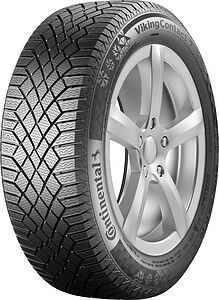
The winner of the test of winter tires of size 205/55 R16 was the Continental VikingContact 7 model (926 points), which stood out for its high level of traction on ice and dry asphalt, as well as excellent results on snow. However, it was not without criticism, albeit minor: the expert group had claims regarding handling during extreme maneuvers.
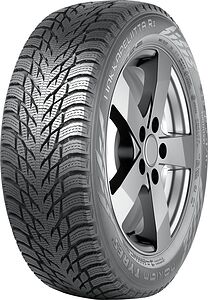
The Russian-made Nokian Hakkapeliitta R3 tires scored 914 points, which allowed them not only to join the "excellent tires" group but also to receive the silver medal of the test. The testers did not find any drawbacks in this model, but they discovered a lot of advantages. These include high grip properties, reliable handling on ice and snow, and the highest fuel economy among the test participants. Nevertheless, on ice and snow, in most estimates, Nokian tires are inferior to the German development. Second place.
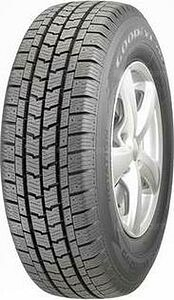
The bronze medalists of the test are the Goodyear UltraGrip Ice 2 tires, "assembled" in Poland. Experts noted that the tires are characterized by "incomprehensible" handling on snow during extreme maneuvering, but this is outweighed by the unequivocal pluses. These include: the best braking properties in the test and effective braking on ice, as well as excellent lateral stability on wet pavement. 909 points.
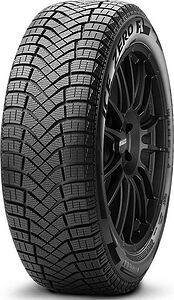
Made in Russia Pirelli Ice Zero FR tires (892 points) took fourth place in the overall rating, despite increased fuel consumption and not very high acoustic comfort. Undoubted advantages of the model: excellent brakes and good "grip" on snow, "aggressive" (as the testers put it) handling on slippery ice and snow.
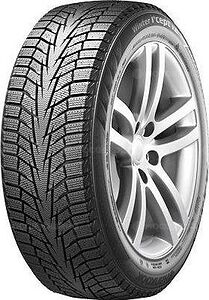
Hankook Winter i*Cept iZ2 W616 tires of South Korean production were only able to score 880 points. They, without a doubt, against the backdrop of the top three, look a bit dull, but in general, they are an acceptable and affordable option for operation on winter roads. They are characterized by good passability and directional stability, as well as problem-free handling when driving actively on snow. Fifth place.
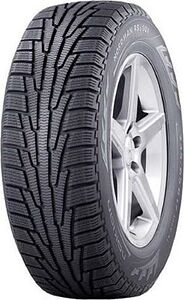
With the sixth overall result, the Nokian Nordman RS2 tires of Russian "origin" finished the competition. As surprisingly as it may seem, it was they who were recorded as having the leading longitudinal traction properties on a snowy surface. In addition, they demonstrated good handling on ice and snow. The undisputed advantages of the model, experts also included passability. 873 points.
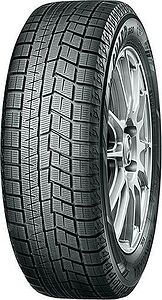
The purebred "Japanese" Yokohama iceGuard iG60 (863 points) finished with the seventh overall result. It showed decent handling on snow and ice, and clear handling on a snowy road. Nevertheless, its drawbacks pulled the tire into the lower part of the final winter tire rating 2020. In particular, a low level of comfort, weak braking properties on asphalt, and lateral stability on ice hindered the model's better placement.
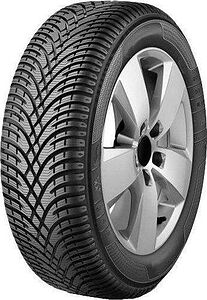
If the BFGoodrich g-Force Winter 2 (861 points) made in Poland were allowed to participate in the test on a general basis, they would have taken eighth place in the ranking, splitting the clan of "Scandinavians" into two parts: one of which undoubtedly contributes to improving safety in harsh climatic conditions, and it is necessary to seriously think about acquiring models from the second part of the list - is it worth it?
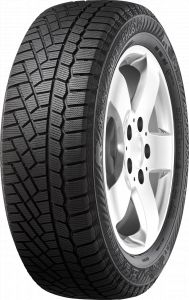
Under number eight finished the model Gislaved Soft * Frost 200 (860 points), the country of origin of which is indicated as Slovakia. The testers noted not only the tense behavior of these tires on snow when performing extreme maneuvers, but also decent handling on slippery winter coatings, and effective braking on dry road.
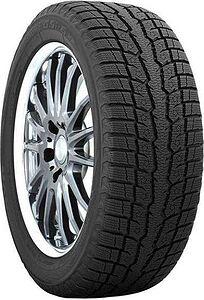
Representing the Japanese tire industry, the Toyo Observe GSi-6 HP scored a total of 853 points. Against the background of excellent braking properties, difficulties with keeping the course on snow and a low level of comfort were identified. Ninth place.
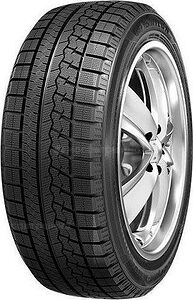
In the tenth line of the final rating of the Za Rulem test of winter tires 2020/2021, the Sailun Winterpro SW61 tires (841 points) with a Chinese "passport" turned out. Surprisingly, they literally shocked the testers with their economy and leading braking properties on a wet road. The directional stability on snow is also pleasing. But with ice, these tires clearly do not get along. Are they exactly of the Nordic type?
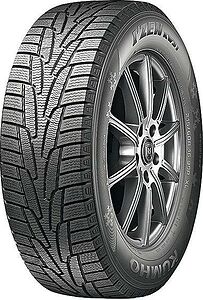
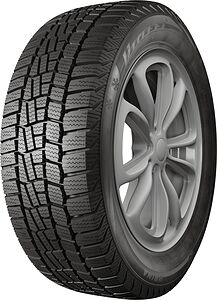
Eleventh place was shared by Kumho's South Korean Marshal I`Zen KW31 tires and the well-known to Russian motorists Viatti Brina. The products of Kumho's subsidiary brand showed their weaknesses on ice and in cross-grip properties on snow.
Viatti tires, traditionally taking the penultimate place, showed high braking efficiency on snow against the backdrop of the worst braking properties on a wet road, unpredictable behavior on ice and snow. With 833 points.
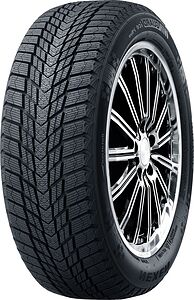
The thirteenth place was taken by South Korean Nexen WinGuard Ice Plus tires (805 points). Their extremely weak test results are due to poor traction properties on winter surfaces, the worst brakes on dry pavement, and the highest fuel consumption.