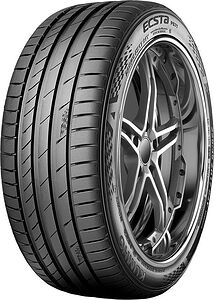
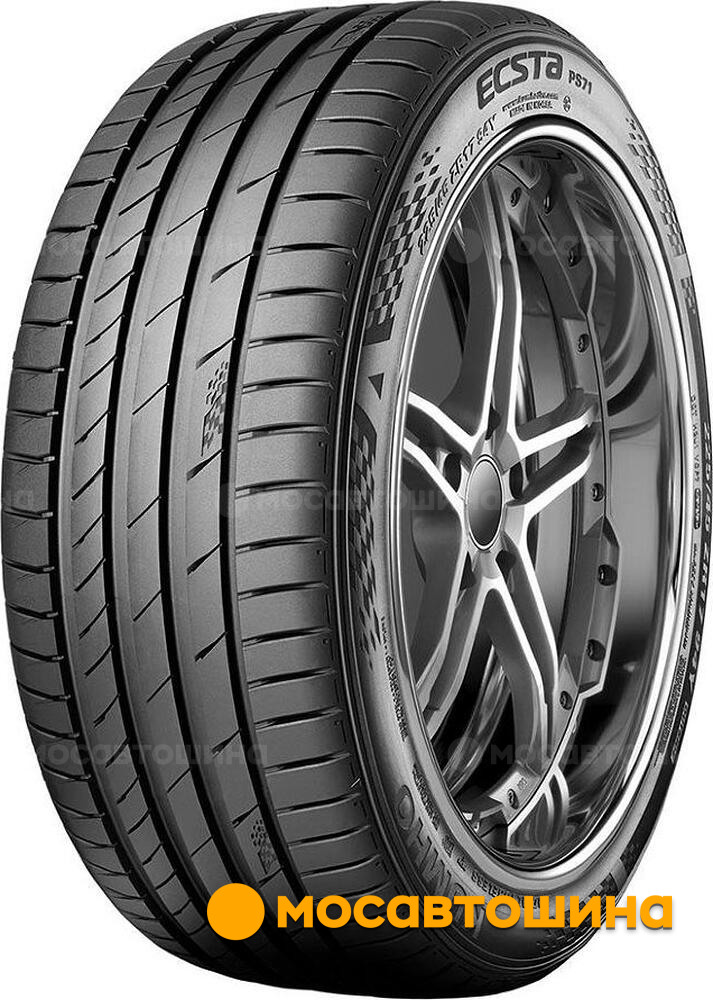
Tyre reviews Kumho Ecsta PS71. Page 12 939

  • Kumho Ecsta PS71
    Kumho Ecsta PS71

Статистика отзывов на шины Kumho Ecsta PS71

Ниже отображены сводные характеристики шины, основанные на отзывах и оценках автовладельцев со всего мира.
При учёте общей оценки летней шины её показатели на снегу и льду не учитываются.

  • Средняя оценка шин Kumho Ecsta PS71 пользователями сайта: 4.66273 из 5
  • Количество отзывов на шины Kumho Ecsta PS71: 936 шт.
  • Место в рейтинге: 530
  • Место в рейтинге (летние): 306
Control on a dry road
Steering in the wet
Drive comfort
Quiet in motion
Braking efficiency
Resistant to aquaplaning
Velocity characteristics
Wearability
Quality of production
Price justifiability
Все оценки пользователей
Оценки реальных покупателей

Оценки шин Kumho Ecsta PS71 по месяцам

По распределению
оценок

1
3%
2
1%
3
2%
4
13%
5
81%
  • about tyre Kumho Ecsta PS71

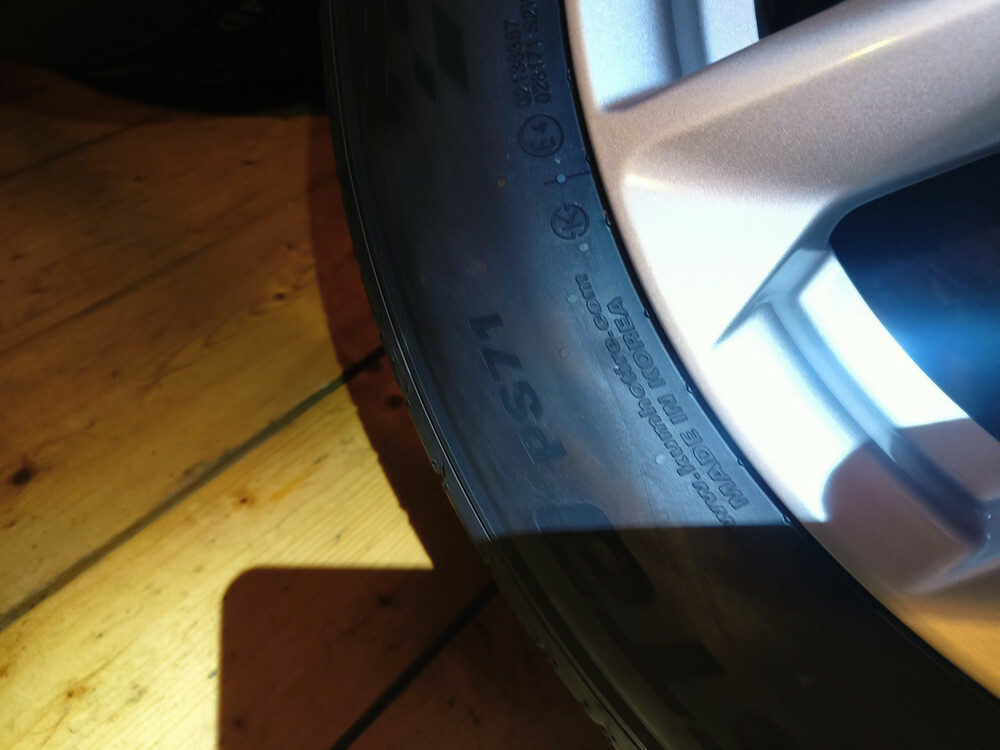
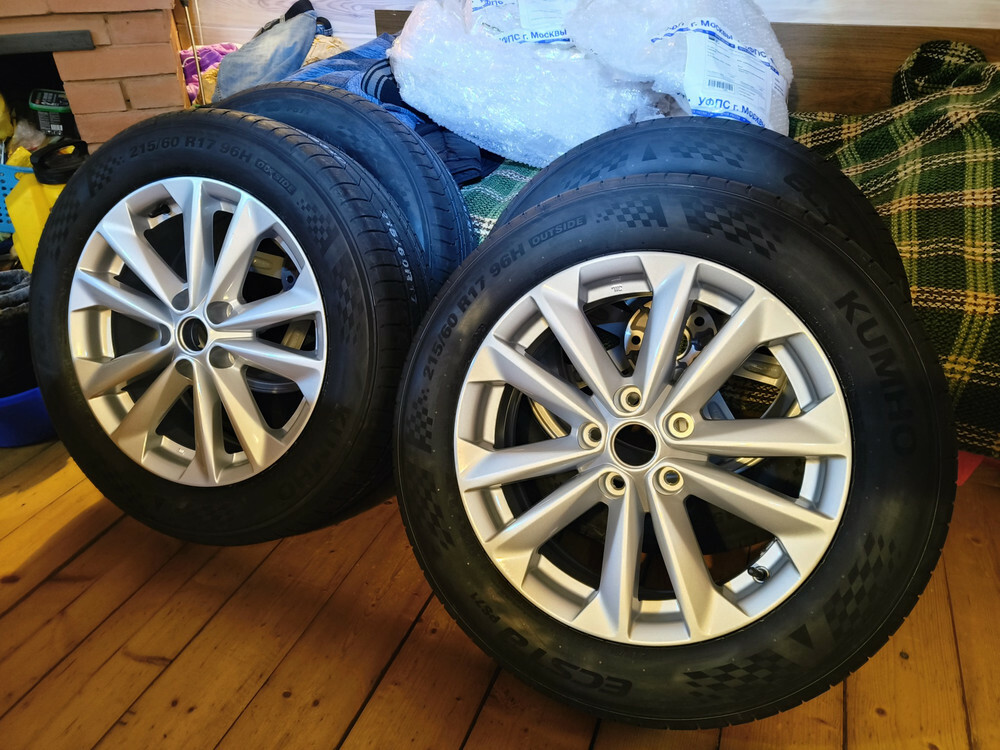
    The product was purchased at Mosautoshina
    Rate
    5

    The seller takes a long time to ship the goods and does not respond to questions

    Size:
    215/60 R17 96H
    Rate
  • Feedback about tyre Kumho Ecsta PS71

    Rate
    5

    Excellent tires for the money!

    Size:
    235/50 R19 103W XL
    Rate
  • Feedback about tyre Kumho Ecsta PS71

    Rate
    5

    Good tires, not the first season I'm using them! Excellent seller!

    Size:
    265/50 R20 111W XL
    Rate
  • Feedback about tyre Kumho Ecsta PS71

    Rate
    5

    They handle the road well, in the rain too.

    Size:
    215/40 R17 87Y XL
    Rate
  • Feedback about tyre Kumho Ecsta PS71

    Rate
    5

    excellent

    Size:
    265/65 R17 112V
    Rate
  • about tyre Kumho Ecsta PS71

    The product was purchased at Mosautoshina
    Rate
    4.3

    Very soft! Pleasant to ride around the city and with finger! The only thing that didn't like it because of the soft rubber, the slightest sharpness, it tends to puncture

    Vehicle:
    Kia K5
    Size:
    215/55 R17 94W
    Buy again?:
    Most likely
    City:
    Saint Petersburg
    Control on a dry road
    Steering in the wet
    Course stability
    Drive comfort
    Quiet in motion
    Braking efficiency
    Resistant to aquaplaning
    Velocity characteristics
    Wearability
    Quality of production
    Price justifiability
  • Feedback about tyre Kumho Ecsta PS71

    Rate
    5

    Timely delivery, the tires hold the road well

    Size:
    235/50 R19 103W XL
    Rate
  • about tyre Kumho Ecsta PS71

    The product was purchased at Mosautoshina
    Rate
    4.7

    The most reasonable combination of price and quality for RunFlat technology.

    Vehicle:
    BMW 3 (F30, F31)
    Size:
    225/45 R18 91Y RF
    Buy again?:
    Definitely yes
    City:
    Saint Petersburg
    Control on a dry road
    Steering in the wet
    Course stability
    Drive comfort
    Quiet in motion
    Braking efficiency
    Resistant to aquaplaning
    Velocity characteristics
    Wearability
    Quality of production
    Price justifiability
  • Feedback about tyre Kumho Ecsta PS71

    Rate
    4

    Traction is not bad, but it's quite noisy.

    Size:
    235/60 R18 107W XL
    Rate
  • Feedback about tyre Kumho Ecsta PS71

    Rate
    5

    Tire Pressure Monitoring System (TPMS) is an electronic system designed to monitor the air pressure inside the pneumatic tires on various types of vehicles
    A TPMS can provide real-time tire pressure information to the driver of the vehicle, either via a gauge, a pictogram display, or a simple low-pressure warning light
    TPMS are provided both at an original equipment (OE) and an aftermarket service level by all leading tire manufacturers
    The system uses tire pressure monitoring sensors which are usually mounted on the wheels (in the tire) or sometimes attached to the valve stem
    These sensors generally measure the tire pressure every few seconds while the vehicle is moving and transmit that information to the vehicle's on-board computer
    The on-board computer then compares that information to a threshold value set by the vehicle manufacturer and if the pressure drops below that threshold the system alerts the driver via a warning light or other display method
    In the United States, the National Highway Traffic Safety Administration (NHTSA) has mandated TPMS on all new passenger cars, light trucks, and vans weighing 10,000 pounds or less since 2008
    The European Union has also mandated TPMS on all new passenger cars since November 2014
    The system was first introduced by PSI (Pneumo-Sensor Interface) in 1996 for the Renault Safrane and the Renault Laguna before being widely adopted in the industry
    The first generation TPMS directly measured the air pressure in each of the four tires, but not the temperature or other factors that can affect tire pressure
    This led to the development of the second generation TPMS, which uses sensors that measure both the pressure and temperature of each tire and can also detect the speed and acceleration of the vehicle, allowing for more accurate and reliable tire pressure monitoring
    The third generation TPMS uses advanced sensors and algorithms to monitor the tire pressure in real-time and can also provide other information such as tire wear and tread depth
    Some TPMS also have the ability to reset the system after a tire rotation or replacement, which can help to ensure that the system remains accurate and reliable over time
    Overall, TPMS have become an important safety feature in the automotive industry, helping to reduce the risk of tire-related accidents and improving vehicle safety and efficiency
    By providing real-time tire pressure information, TPMS can help drivers to identify potential tire problems before they become serious, and can also help to improve fuel efficiency and reduce tire wear
    As the technology continues to evolve, we can expect to see even more advanced TPMS systems that provide even more detailed information and insights into tire condition and performance
    These advancements will likely play a key role in the development of autonomous vehicles and other advanced transportation systems, where accurate and reliable tire pressure monitoring will be critical to ensuring safety and efficiency
    In conclusion, TPMS have become an essential component of modern vehicles, providing a critical layer of safety and efficiency that can help to reduce the risk of accidents and improve overall vehicle performance
    By understanding the history, development, and benefits of TPMS, we can appreciate the importance of this technology and its potential to continue to evolve and improve in the future

    Size:
    235/60 R18 107W XL
    Rate