The winter tire Nokian Hakkapeliitta 1 is installed on passenger cars of various classes. It is a flagship model for the Finnish brand, as it has made it one of the leaders in the development and production of winter passenger tires. Against the background of numerous competitors from other well-known brands, it had excellent traction properties on snow and ice, while also differing in its long service life and fuel efficiency.
Increased number of traction edges
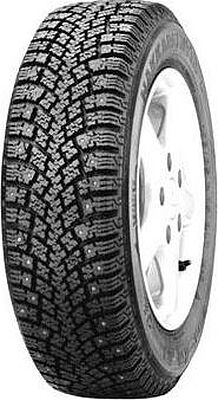
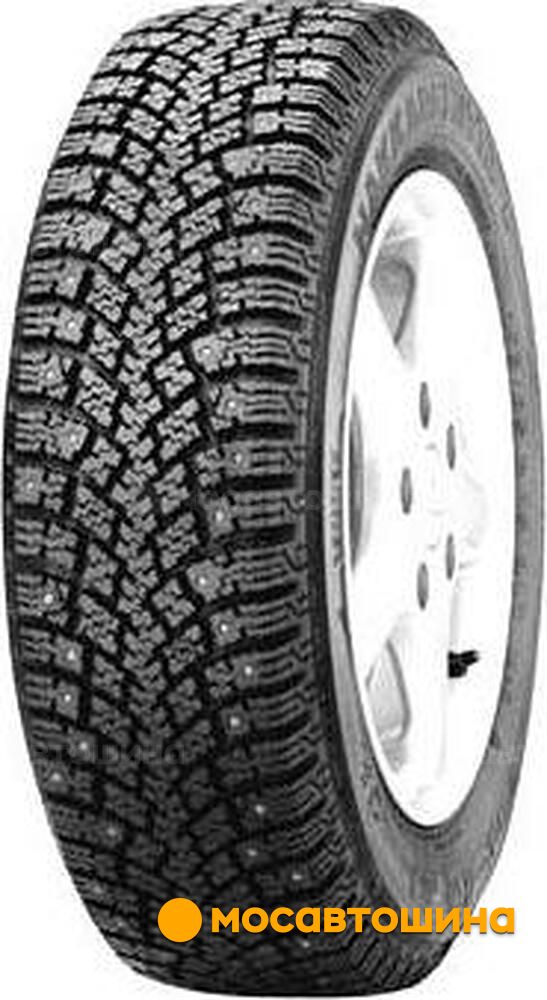
One of the key features of the tire was the huge number of blocks at the time of its creation. In addition, the elements had a complex polygonal shape, which further increased the number of traction edges. At the same time, the drainage grooves located between the blocks further enhanced the effectiveness of their work on snow due to the increased depth and width.
"Anti-skid chains"
The next important feature of the tire was the scheme of stud arrangement. The steel elements formed longitudinal rows during movement - "anti-skid chains". They provide the tire with excellent transverse stability on icy surfaces, as well as high efficiency when accelerating and braking.
Winter compound
This model was one of the first where the Finnish concern began to apply special rubber compounds, the physicochemical properties of which were selected taking into account the features of tire operation in winter. The compound is characterized by excellent elasticity, which is preserved even at extremely low external temperatures. This allows the tire to provide reliability in complex climatic conditions of Northern European countries.
Thousands of slits
Another distinctive feature of the tread is the presence of special narrow slits. The elements located throughout the tread are separated from each other by a few millimeters. High density was achieved due to the curved shape of the slit walls. It limits the mobility of the blocks, thereby improving the stability of the traction properties.
Main features:
- a directional symmetric tread provides confident behavior on any winter surface;
- excellent resistance to aquaplaning and slushplaning due to the increased number and direction of drainage grooves against the direction of movement;
- a rubber compound with increased elasticity at extremely low temperatures;
- a multitude of small blocks provide confident behavior on snow;
- zigzag lamellas in the central part and straight slits in the shoulder blocks enhance longitudinal traction on icy surfaces;
- studs arranged in longitudinal rows provide confident behavior on ice.
 Enlarge
  РОССИЯ
 Enlarge