
-
 Enlarge
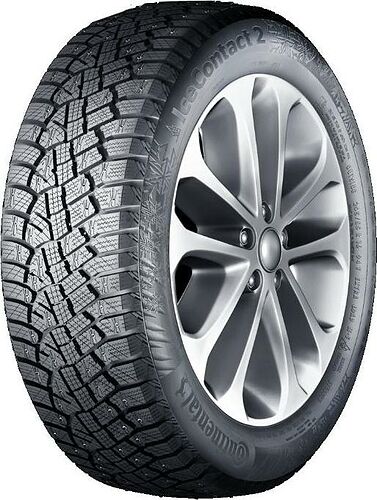
 Continental ContiIceContact 2 -
 Enlarge
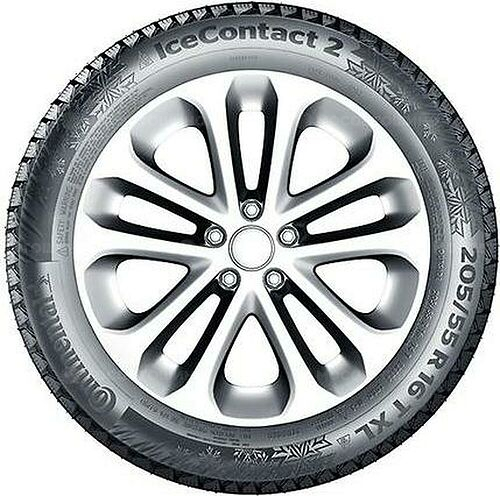
 Continental ContiIceContact 2 -
 Enlarge
 Continental ContiIceContact 2

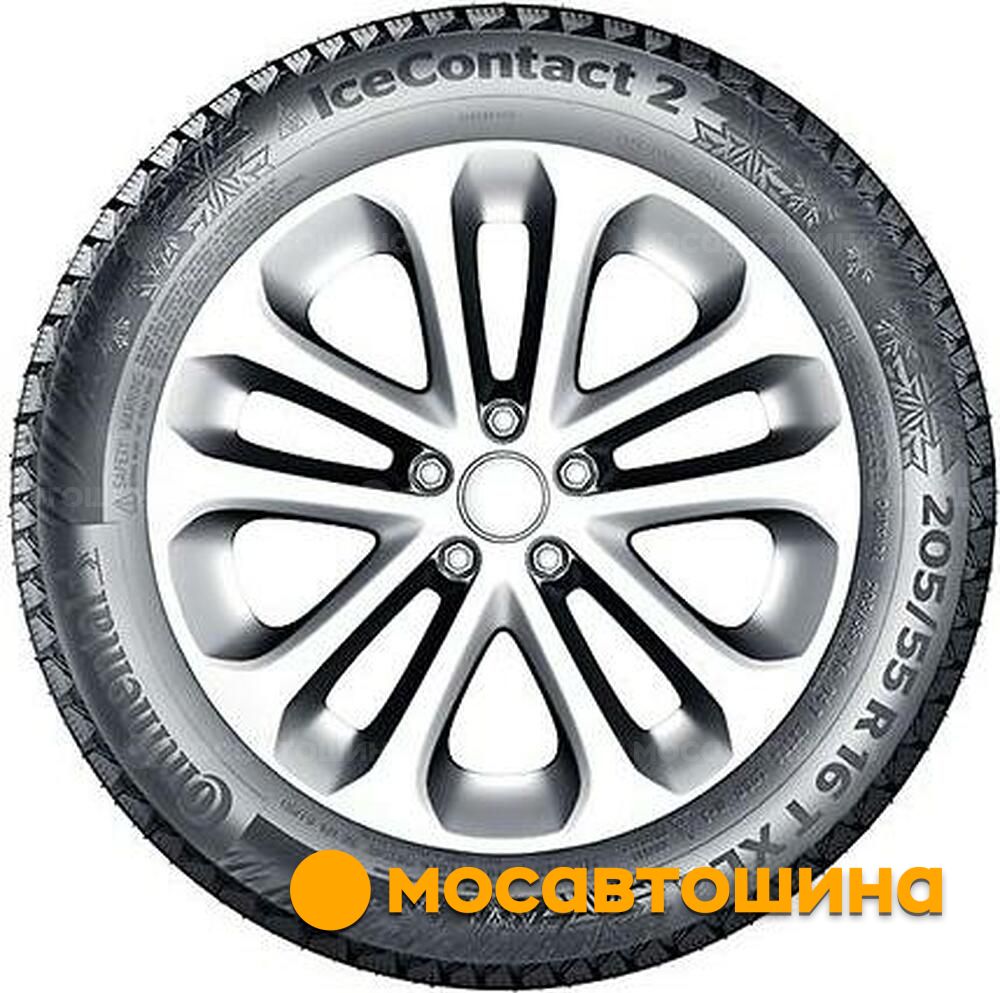

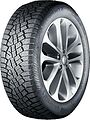
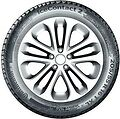
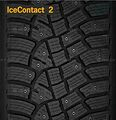
Description Continental ContiIceContact 2
The Continental ContiIceContact 2 winter tire is the next generation of one of the most popular models from the renowned German manufacturer. As before, its specialists chose to take a more difficult path, preferring to develop the novelty "from scratch". This model uses only a part of the technologies applied in the previous generation tire. Such an approach allowed for a significant improvement of most operational characteristics, starting from ice traction and ending with fuel efficiency.
New studding system
The requirements for winter tires introduced in European countries several years ago put their manufacturers in front of a difficult choice - to limit the number of studs or use any number of them, but at the expense of reducing the aggressiveness of their impact on the road surface. The specialists of Continental AG preferred the second option, developing a new studding system called Kristal Stud.
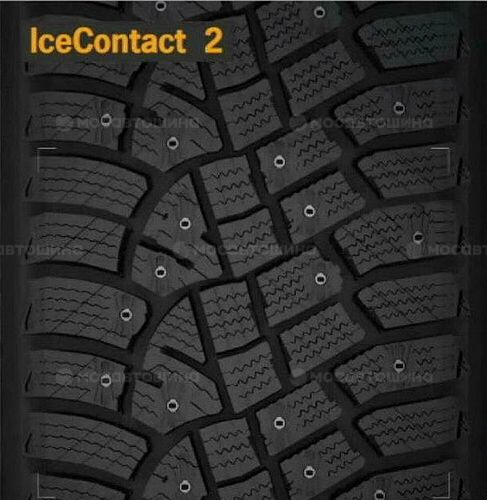
Careful attitude to roads is ensured due to the small size of the studs and the optimized shape of their carbide inserts. At the same time, their number has increased by more than one and a half times. Some tire sizes have 190 studs, instead of 130 in the previous generation model. In combination with their location in 18 longitudinal rows instead of 9 in the predecessor, the contact with the road of the maximum number of these steel elements, as well as the polyhedral shape of the carbide inserts themselves, made it possible to significantly improve the longitudinal traction characteristics on ice. The German manufacturer claims a 10 percent reduction in braking distance on ice. In addition, it is impossible not to note the use of a special adhesive compound for more reliable fixation of the stud in the tread. In its updated version, it is able to hold the stud under a load of up to 50 kg. This is 4 times more than in the tire of the previous generation.
Updated rubber compound composition
The composition of the compound has undergone no less significant changes. The manufacturer claims that it includes about fifteen new components. One of them is the latest polymer compounds that have given the rubber compound, and therefore the tread itself, a number of unique physicochemical properties. First of all, this is the optimal elasticity, which remains at a practically unchanged level in a very wide temperature range, including temperatures several dozen degrees below "zero". In real operating conditions, this feature manifests itself in the form of very stable coupling properties in any road and weather conditions. In addition, with their help, the integrity of the tread is ensured during operation during thaws or a change of season.
Excellent traction characteristics on snow
Like many other components of the Continental ContiIceContact 2 tire, its tread pattern has also been developed from scratch. The key innovation in its design is the increase in the number of individual blocks, which was achieved by reducing their size. In combination with the significant distance between all tread elements, this has significantly improved the traction and coupling characteristics on snow.
Special "ice pockets"
The tread of this tire contains a multitude of miniature elements that improve one or another operational property. One of them is the so-called "ice pockets". They are located in the areas where the studs are installed. Their main functional purpose is to crush and remove ice crumbs from the area of contact between the carbide insert and the road surface. This prevents them from sticking to the stud, which in turn improves the tire's traction on ice.
Several types of lamellas
The next feature of the tread design of this tire is the use of several types of lamellas. This is due to the desire of the developers to give these elements different functionality, and the tire itself - universal characteristics.
In particular, in the central part of the tread, there are lamellas that, when in contact with the road, are blocked not only by their walls but also by themselves, which significantly limits not only the transverse but also the longitudinal mobility of the blocks. This significantly improves the directional stability and maneuverability of the tire.
In turn, the lamellas in the shoulder areas of the tread are blocked only by their walls, which limits the mobility of the blocks only in the transverse direction. On the one hand, this increases the effectiveness when braking on slippery surfaces, and on the other hand, it improves stability and traction when maneuvering and cornering, as well as providing higher stability of the tread to uneven wear.
In addition, there are special longitudinal lamellas in the shoulder areas of the tread. These elements create the so-called "edge effect", thanks to which the tire is given additional traction and stability when performing maneuvers on slippery roads due to rain, snow, and ice.
Main features of the Continental ContiIceContact 2 tire
- almost two hundred studs form twenty continuous rows during movement, which, in combination with the optimized shape of their carbide inserts, provides reliable and stable traction on ice;
- the fixation of studs in the tread using a special adhesive compound minimizes the risk of their premature loss;
- special "ice pockets" in the areas of stud installation crush and remove ice crumbs from them, which improves traction on icy surfaces;
- optimal elasticity in a very wide temperature range, excellent resistance to high-temperature effects is ensured due to the optimized rubber compound with a number of new components;
- the newly developed asymmetric tread pattern with an increased number of blocks provides excellent traction and coupling characteristics on snow;
- several types of lamellas improve a number of basic operational characteristics, starting from traction on ice and ending with stability and maneuverability when maneuvering and cornering.