Tyres and wheels for Seat Inca, wheel size on Сеат Инса
Другие модели Seat
Seat 133, Seat Alhambra, Seat Altea, Seat Altea Freetrack, Seat Altea XL, Seat Arona, Seat Arosa, Seat Ateca, Seat Cordoba, Seat Exeo, Seat Ibiza, Seat Inca, Seat Leon, Seat Malaga, Seat Marbella, Seat Mii, Seat Tarraco, Seat Toledo,Параметры дисков на Сеат Инса
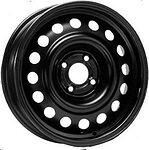
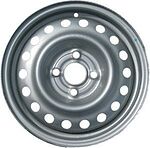
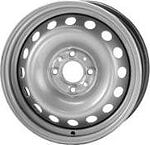
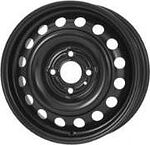
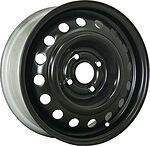
- PCD 4x100 диаметром от 14 до 14, шириной от 5.5 до 5.5 и профилем от ET35 до ET35как у Suzuki Ignis
Tires on Seat Inca
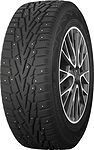
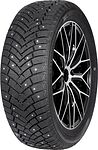
- Tyre size from R14 to R15, width from 175 to 185 and profile from 55 to 65.
- Minimum tyre size: 175/65 R14, maximum: 185/60 R14





Tires on Seat Inca (Сеат)
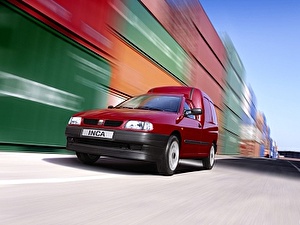
The compact van Seat Inca was present in the production range of the Spanish brand from 1996 to 2004. The car was created based on the Cordoba Vario universal, being oriented towards cargo transportation on the so-called "last mile". Against the background of its "classmates", it stood out for its combination of practicality, functionality, reliability, and low operating costs.Design features
The van was created on the A03 platform, which it shared with the Seat Ibiza and Volkswagen Polo, which debuted in the mid-1990s. The deep technical unification with these cars ended behind the middle body post, where the cargo compartment and semi-dependent rear beam with reinforced springs and shock absorbers were located. The insufficient length of the wheelbase was offset by the high roof, which preserved good maneuverability and ease of handling on narrow streets. The volume of the available cargo space was around 2.5 "cubes". Depending on the configuration, the payload capacity ranged from 550 to 600 kilograms. Another difference from passenger cars was the bumpers made of unpainted plastic and the moldings on the sides.
Engine range, as a model's advantage
The engine lineup consisted of gasoline and diesel power units. The base models were the 1.4- and 1.6-liter "atmospheric" gasoline engines, producing 60 and 75 horsepower, respectively. Both engines were combined with a 5-speed "mechanics", the gear ratios of which were selected to provide traction at low and medium speeds. Both "combinations" also stood out for their minimal maintenance cost and high repairability.
The Inca gained the most fame thanks to its diesel versions. The most massive was the "atmospheric" 1.9 SDI with 64 horsepower and 125 Nm of torque. Its main feature was exceptional reliability. Such an engine calmly withstood large mileage, did not require complex maintenance, and demonstrated fuel consumption at the level of 5-6 liters per 100 kilometers. An alternative to it was a version of the same engine with a turbocharger, producing 90 horsepower and 202 Nm of torque. This version was ideal for use with a fully loaded cargo compartment and transportation on highways, demonstrating, in addition to excellent traction, enviable fuel economy.
"Passenger" salon
Like the entire front part of the car, the interior of the cabin was almost completely borrowed from the passenger cars of the Spanish brand. The front panel with hard plastic looked simple but had successful ergonomics. Large control buttons for ventilation and heating were designed for use in work gloves, and the instrument panel remained well-readable even in bright sunlight. Of course, there were no large displays or digital interfaces here - in the mid-90s, such equipment was absent in the segment of compact vans, as a class. Instead, the manufacturer bet on functionality. The salon had many niches for documents, and the high seating position provided a good view in dense city traffic. Top versions added to this set a hydraulic power steering, central locking, electric windows, and air conditioning. For commercial vehicles of that period, such a set could not be called standard. Thanks to this, the car was perceived as less utilitarian compared to most of its "classmates" of that time.
Differences in everyday use
The deep technical unification with the mass models of the Volkswagen concern largely predetermined the advantage of the Inca over its competitors. First of all, in terms of repair. A significant part of the components was suitable for the Ibiza, Cordoba, and Polo, which greatly simplified the process of eliminating malfunctions. Even years after the production was completed, problems with finding "consumables" remain minimal. The weak points included corrosion of the rear arches and cargo compartment doors, especially in specimens that were operated in a humid climate. With intense commercial operation, the elements of the rear suspension and the mechanism of the swinging doors required attention.
This practically did not affect the reputation of the Inca as a very reliable "workhorse". Many specimens continued to be used even after mileage exceeding 300 thousand kilometers. For a compact delivery van, such endurance became an important factor. To a large extent, the strong points of this model were due to the presence in the standard equipment of wheels with a diameter of 13 and 14 inches, as well as tires with a profile height of 60 to 70%. Such models are widely represented in the online store "Mosavtoshina", allowing you to choose the most functional options for almost any operating conditions.
Advantages of selecting tires for Seat Inca on our website:
- possibility to perform the selection of tires taking into account the specific loading parameters of the car and road conditions;
- wide range of stamped and cast wheels designed for daily commercial operation;
- automated search system on the site with a comfortable filtering system will help to make a high-quality selection of suitable wheel products on your own;
- specialists will help to eliminate any difficulties with the selection, consult on issues of compatibility, seasonal use, and other features of choice.