Tyres and wheels for ГАЗ Volga, wheel size on ГАЗ ВОЛГА
Подбор шин и дисков по автомобилю ГАЗ ВОЛГА
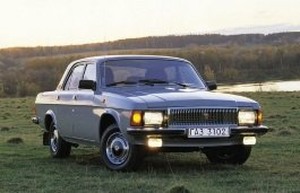
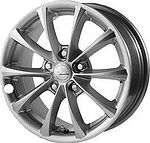
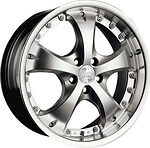
Параметры дисков на ГАЗ ВОЛГА
- PCD 5x10⁸ диаметром от 15 до 15, шириной от 6.5 до 6.5 и профилем от ET45 до ET45как у Peugeot 605
- PCD 5x139.7 диаметром от 14 до 14, шириной от 5.5 до 5.5 и профилем от ET6 до ET6
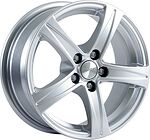
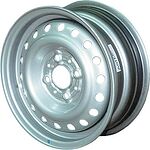
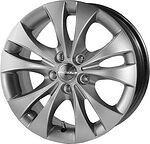
Tires on ГАЗ Volga
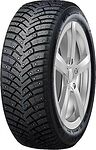
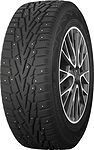
- Tyre size from R14 to R15, width from 195 to 205 and profile from 65 to 70.
- Minimum tyre size: 195/65 R15, maximum: 205/70 R14







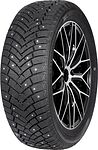

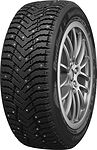
Tires on ГАЗ Volga (ГАЗ)
The GAZ "Volga" first appeared in serial production in 1956, when the GAZ-21 sedan went on the conveyor belt at the GAZ plant in Gorky - a car that was to become the symbol of the Soviet middle class and official transport for several decades. Under the name "Volga", a whole series of models of different generations were released, each of which reflected the technological and economic realities of its time. Cars of this line were used as official sedans, taxis, cars for government agencies and private owners, who valued the spacious salon, soft suspension and robust design.First Generation
The model with the index GAZ-21, produced from 1956 to 1970, became the first "Volga" and at the same time one of the most technologically advanced Soviet cars of its time. The design included a bearing body, independent front suspension on transverse levers and a rear axle on springs - a layout that ensured a comfortable ride even on poor roads.
Under the hood was a four-cylinder in-line engine with a volume of 2.4 liters and a power of about 70-75 horsepower. For the late 1950s, this was a fairly modern unit with an overhead valve scheme. It worked in pair with a three-speed manual gearbox, which was controlled by a lever on the steering column. Among the unusual features of the equipment of the early cars, one can note the centralized lubrication system of the chassis and the possibility of installing an automatic transmission - an extremely rare option for the Soviet automotive industry of that period. The interior was distinguished by wide sofas, metal trim of the instrument panel and a large steering wheel.
Second Generation
In 1970, the GAZ-24 replaced the first model, which became the most massive and recognizable "Volga". The new car received a more rigorous and modern design of the body, increased stiffness of the structure and improved ergonomics of the salon. The technical base remained traditional: longitudinal engine layout, rear-wheel drive and dependent rear suspension on springs. However, the modernized ZMZ-24 engine with a power of about 95 horsepower provided more confident dynamics and traction.
The interior became more functional: there were separate front seats, a new instrument panel, a more efficient ventilation system. GAZ-24 was actively used as a taxi, official cars and cars of special services. In addition to standard sedans, station wagons, ambulance versions and cars for the police were produced.
Modernization of the Design
In 1982, the model with the index 3102 was presented, which was actually a deep modernization of the GAZ-24. This car was intended for departmental use and did not go on mass sale. The main technical feature was the modernized ZMZ engine with a chamber-spark ignition system, which made it possible to reduce fuel consumption and improve environmental performance. The power was 105 horsepower.
Externally, it differed from the new front part of the body, changed optics and a different radiator grille. Inside, there were more high-quality finishing materials, a new instrument panel and improved noise insulation. Despite the preservation of the classic chassis architecture, the handling became more stable due to the improved suspension.
In 1997, the production of the model with the index 3110 began, which became the most modern interpretation of the classic "Volga". Despite the preservation of the basic GAZ-24 platform, the car received an updated body, new optics and improved ergonomics of the interior. Under the hood, various engines were installed: petrol engines ZMZ with a volume of 2.3-2.5 liters and a power of up to 150 horsepower, as well as injective versions with electronic control. Some modifications were equipped with imported engines and modernized transmissions.
The salon became noticeably more modern: there were electric windows, an improved heating system, more convenient seats and a new instrument panel. Later versions also received a power steering and disc brakes of increased diameter. The production of the classic "Volga" line was completed in the late 2000s, when the market finally shifted towards more modern models.
For various generations, wheels with a landing diameter of 14 and 15 inches are used, most often with tires 205/70 R14, 195/70 R14 or 195/65 R15. Such sizes provide softness of the course and stability of the car on uneven roads, which is traditionally valued by the owners of this model. It is convenient to select suitable kits in the online store "Mosavtoshina", where a wide range of wheel products is presented.
Advantages of selecting tires for GAZ Volga on our website:
- a wide selection of tires of different brands and price categories allows you to choose the optimal option for a classic sedan, taking into account the operating conditions and personal preferences;
- the possibility of choosing from a large number of options for 14- and 15-inch disks, both steel and alloy, with different designs;
- an automated search system allows you to quickly find compatible sizes of wheel sets for a specific modification by just a few parameters;
- specialists will help determine the correct wheel parameters and offer the most rational options, taking into account the budget and features of operation.