The Membat Enjoy summer tire is one of the latest developments in the Chinese tire industry. Unlike previous models, it has much better performance in any conditions. A significant increase in operational and consumer qualities was achieved through the involvement of foreign specialists, as well as the use of the latest equipment and technologies in the production process.
Asymmetric tread pattern
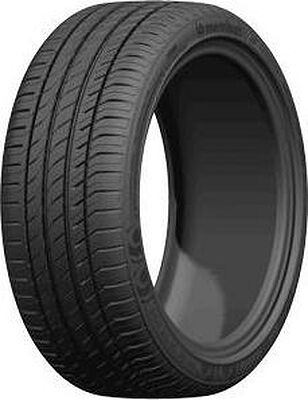
One of the distinctive features of the Membat Enjoy model is the tread pattern with an asymmetric arrangement of elements. It is divided into several functional zones, each of which is designed to provide maximum grip when driving on dry and wet roads.
Wide longitudinal ribs
All tread elements are grouped into four longitudinal ribs, separated from each other by drainage grooves. They are characterized by very massive sizes, which made it possible to achieve a significant increase in the contact patch area, which in turn increased the grip on dry roads. In addition, such a structure of the tread pattern provides good directional stability, as well as reduced rolling resistance, the magnitude of which directly affects fuel efficiency.
Excellent stability in turns
It is also worth noting the structure of the shoulder zones of the Membat Enjoy tread. They occupy a significant part of it. In addition, the shoulder zones contain many individual blocks, the massive size of which contributes to increased resistance to lateral skidding. Another significant advantage of such a structure of the shoulder zones is the high efficiency of braking, provided by the presence of many transverse gripping edges.
Main features of the Membat Enjoy tire
- The asymmetric tread pattern allows the tire to demonstrate excellent performance on both dry and wet roads;
- Four wide longitudinal ribs, which provide good directional stability and reduced rolling resistance;
- A rubber compound with a high content of silicon-containing materials, which increases the grip with the wet road while increasing the service life of the tread;
- Wide drainage grooves, located both longitudinally and transversely, effectively remove excess water from the contact patch, providing high resistance to aquaplaning.
 Enlarge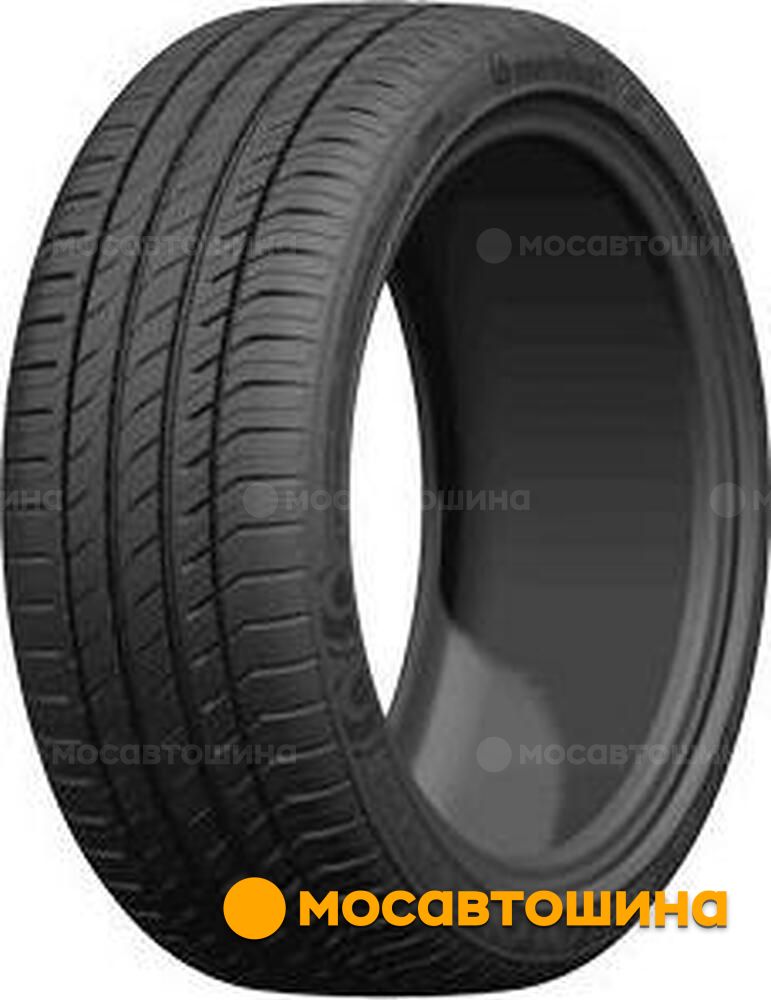
 КИТАЙ
КИТАЙ