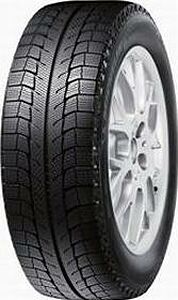
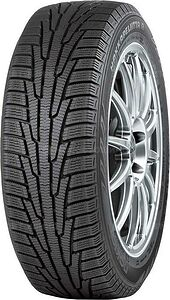
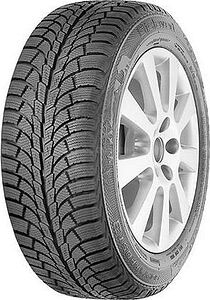
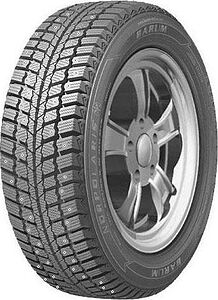
Traction on ice and snow Traction on asphalt Handling on asphalt
Noise Increased rolling resistance
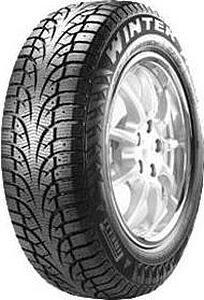
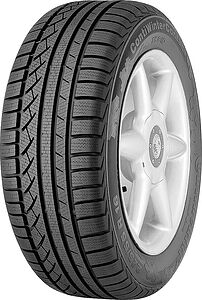
Tires are the best option for studded tires for urban winter use. They will not fail on ice, and on asphalt they will allow you to drive fast and safely.
Insufficient resistance to slashing Low stability when driving on winter roads
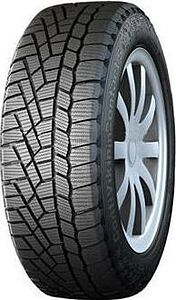
If the snow is thawing, mixed with water, the tires will "float" early. On the ruts, the car behaves unstable - it holds the straight line poorly and wanders. The quietest among studded tires.
Balanced performance on different surfaces Traction and handling on snow Traction on ice in non-studded tire category
Handling on ice
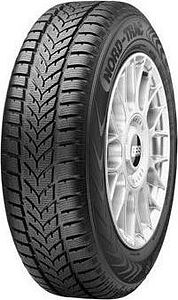
On asphalt - both in terms of coupling properties and handling, they are preferable to most non-studded competitors. This makes the tires particularly attractive for urban winter use.
Traction on snow Handling on ice in the non-studded tire class Braking on wet asphalt in the non-studded tire class
Handling on asphalt
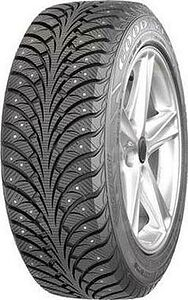
On dry asphalt, the tires demonstrate moderate traction properties, but on a wet surface, they significantly surpass their "soft" classmates in braking. For example, the more "prestigious" Continental ContiVikingContact 5 tires lose to Gislaved in braking distance by as much as 6.5 meters! But in other asphalt disciplines, there is either no difference between these tires or it is small and in favor of Continental tires.
Traction properties on ice and snow Handling on ice and snow Low resistance to slushplaning
On dry asphalt, the tires are helpless - if they somehow manage to steer around an obstacle while braking, the handling track experts noted too sluggish reactions to steering wheel turns and sharp skidding. On wet asphalt, the tires are redeemed - the car brakes well and confidently steers around the obstacle.
Winter driving stability Traction and handling on asphalt
Traction properties and handling on ice Low resistance to slushplaning High rolling resistance
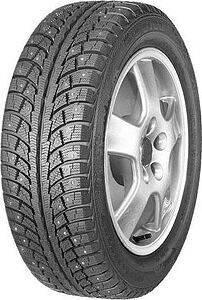
Tires are quite suitable for large cities in Russia, and they can be boldly installed on powerful cars, the owners of which do not intend to abandon active driving even in winter.
Ice grip performance on a non-tread tire Low rolling resistance
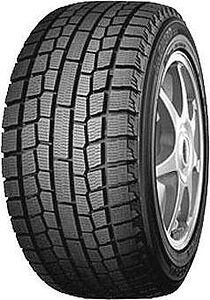
Ice and snow handling Asphalt handling
Thanks to the soft porous tread rubber, Japanese tires show decent longitudinal traction properties on ice, but lag behind competitors on handling tracks: the car sharply, without warning, skids, which is difficult to control even for an experienced expert.
Tread properties on asphalt in the non-treaded tire class.
Traction on ice and snow Handling on all types of surfaces
The handling of the car can be described in one word - slippery, both on snow and on ice. On asphalt, the tires look better - they are especially good at obstacle avoidance with braking.
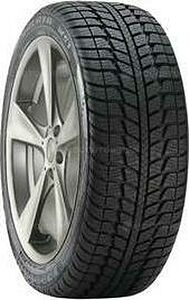
Extremely low traction on ice and snow Handling on ice, snow and wet asphalt Low stability of movement on a winter road Low resistance to slushplaning
The car skids very early and is extremely difficult to control. On snow-water porridge, these tires float sooner than others, and the stability on a road with ruts is the lowest. Wherever you throw it, there's a wedge everywhere. It's only on asphalt that the Chinese tires rise from the bottom lines to the middle ones. Although there's still a problem with handling here.