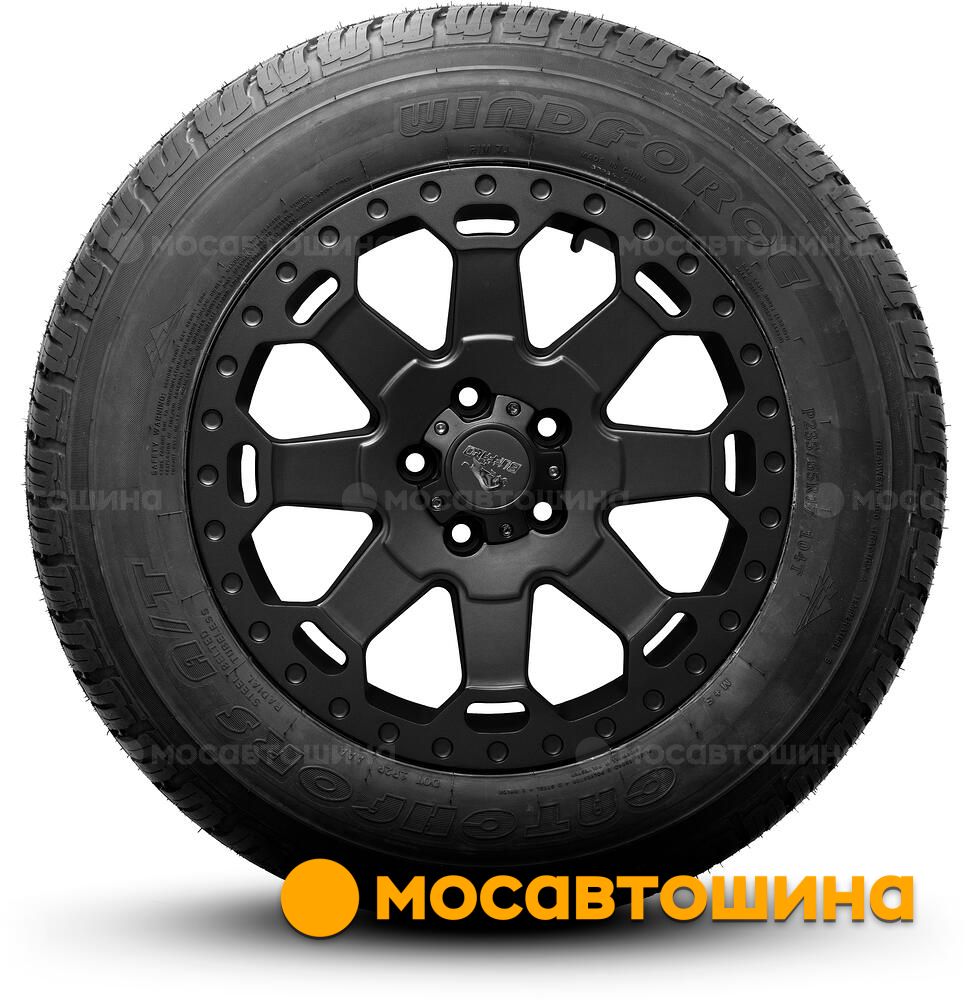
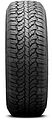
I purchased the tires in September 2022, size 205/75/r15. Accordingly, they have been used for about 2 years of summer driving or approximately 18,000 miles.
The usage breakdown is as follows: 70% city asphalt, 15% highway, 5% gravel and field roads.
Regarding the selection: when searching for tires, I was looking for non-directional AT tires in size 205/75/r15.
The tire size matches my existing 215/65/r16 tires and spare 15" rims, which allows me to replace a winter tire with one of these tires in case of a puncture and drive 50-100 km on an empty highway at any time of the year to the nearest service station.
I needed AT tires because I planned to drive on a lot of dirt and field roads when going fishing, but it turned out that most of my driving was on paved roads.
As for handling: these tires are a compromise in everything - price, quality, and handling.
On dry roads, depending on the temperature:
* Above 25 degrees Celsius, they become sloppy;
* From 5 to 25 degrees Celsius, they are okay;
* Below 5 degrees Celsius, they do not become hard, but they lack the softness of winter tires, and the absence of small lamellas plays a significant role here. They ride quietly, and in comparison with the noise from the car, they are not audible.
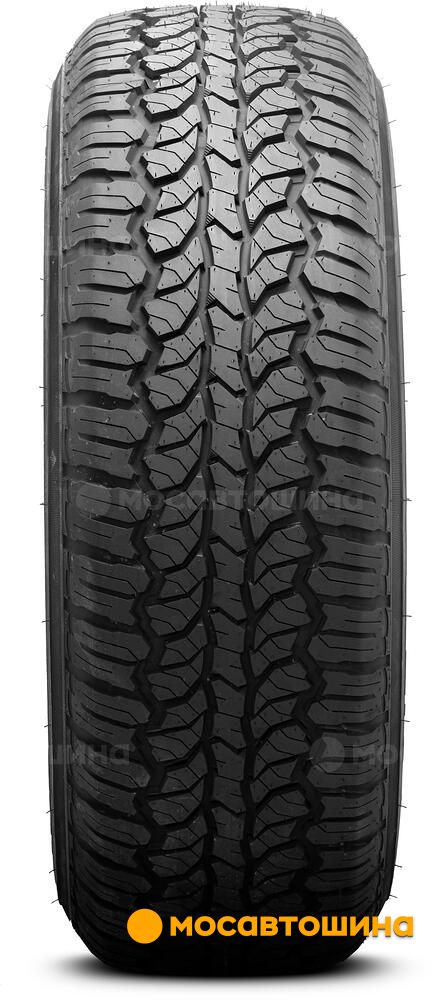
Winter and rain: the tires have a marking allowing for winter use, BUT they do not like snow cover, ice, or slightly wet roads. There is a paradox: the tread drives well on deep snow, confidently holds the water-filled rut, and muddy dirt road, but the lateral grip on wet asphalt is sharply weakened, and you need to slow down when cornering, which led to a change in driving style in the rain and a lack of desire to drive in the first snow and winter...
Off-road - the tires hold well on gravel, sand, tree roots, and curbs; there were no punctures, although they are naturally stiff. When driving over dry caterpillar tracks, it's a harsh vibration and noise; out of curiosity, I deflated them to 1 atm, the tires became flatter, but the shock absorption did not improve much. I didn't deflate them further because I wanted to drive, not crawl.
I didn't have the opportunity to drive in heavy mud, but compared to the native Barguzin, it's like heaven and earth - the car goes where you point it, and it doesn't spin around its axis on every bump.
As for the resource: new tires have a center depth of 7.6 mm, after 18,000 km, the depth is 6.2-6.5 mm. There are no cracks or cuts. They will last for another couple of years if I don't drive off the asphalt too far.
Would I buy them again? Due to the same compromise, I'm inclined to say no, but it will all depend on the prices and availability of tires on the market in a couple of years.
And a separate thank you to the administrators of Mosaavtoshina for the comfortable purchase of these tires.