The Bridgestone Ecopia EP200 is the flagship model of the line of so-called "energy-efficient" tires from this well-known and very popular Japanese manufacturer in our country. Unlike the recently introduced EP150, this tire is designed for passenger cars of the middle and higher classes.
Like other representatives of the Ecopia line, the EP200 was developed with the need to provide maximum fuel efficiency and minimize harmful emissions. To achieve this, Japanese tire manufacturers applied a number of the latest technologies available to them at the time.
Asymmetric Tread Pattern
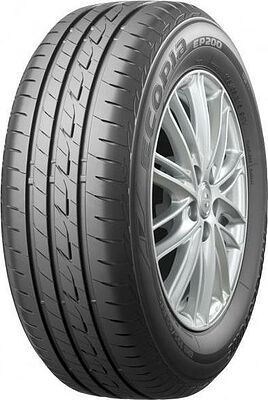
One of the distinctive features of this model is the asymmetric tread pattern. This was necessary because the Japanese tire manufacturers needed to provide not only the highest fuel efficiency, but also excellent traction on both dry and wet roads. Tires with an asymmetric arrangement of tread elements cope with this task best. In this case, the tread is divided into several functional zones, each of which performs a certain set of tasks.
"Leaf-like" Blocks
The central part of the EP200 tread pattern contains two longitudinal ribs, which in turn consist of many individual blocks. They have a leaf-like shape, which provided the tire with a number of important advantages. First of all, this is a more efficient removal of excess water from the contact patch.
In addition, it is impossible not to note the minimal distance between these blocks. Such a structure forms Z-shaped edges, which increase the stiffness of the entire tread rib as a whole. This design feature allows the tire to demonstrate excellent directional stability at high speeds, as well as lightning-fast reactions to steering wheel turns.
Increased Rigidity of the Shoulder Zones
It is impossible not to note the original design of the shoulder zones of the tread pattern. Each of them is a very rigid structure. In combination with massive dimensions, such a design provides the tire with a number of significant advantages. First of all, this is a reduced rolling resistance, as well as resistance to lateral skidding.
At the same time, the shoulder zones of the Bridgestone Ecopia EP200 contain a sufficient number of transverse edges located almost at a right angle to the direction of movement. On wet roads, this allows the tire to demonstrate excellent braking efficiency.
Asymmetric Sidewalls of ECO Shape
In motion, this model is distinguished by a low level of vibration and excellent directional stability. A significant part of these capabilities is provided by the original asymmetric shape of the ECO sidewalls, which also allowed maintaining the rolling resistance at a very low level.
ECOPIA Compound II Rubber Compound
When creating this tire, considerable attention was paid to the rubber compound, as this component provides a significant part of its characteristics. The addition of silicon-containing substances and new-generation polymer compounds to the composition of the compound made it possible to significantly improve a number of important indicators. First of all, this is rolling resistance and resistance to abrasive wear.
Main Features of the Bridgestone Ecopia EP200 Tire
- blocks of "leaf-like" shape, increasing the rigidity of the longitudinal rib, provide directional stability, as well as fast and accurate reactions to steering wheel movement;
- Z-shaped grooves in the central part of the tread pattern allow maintaining the shape of the contact patch unchanged, regardless of the mode of movement and the characteristics of the road surface;
- rigid shoulder zones allow for more confident passage of turns, and the special shape of the sidewalls reduces rolling resistance.
 Enlarge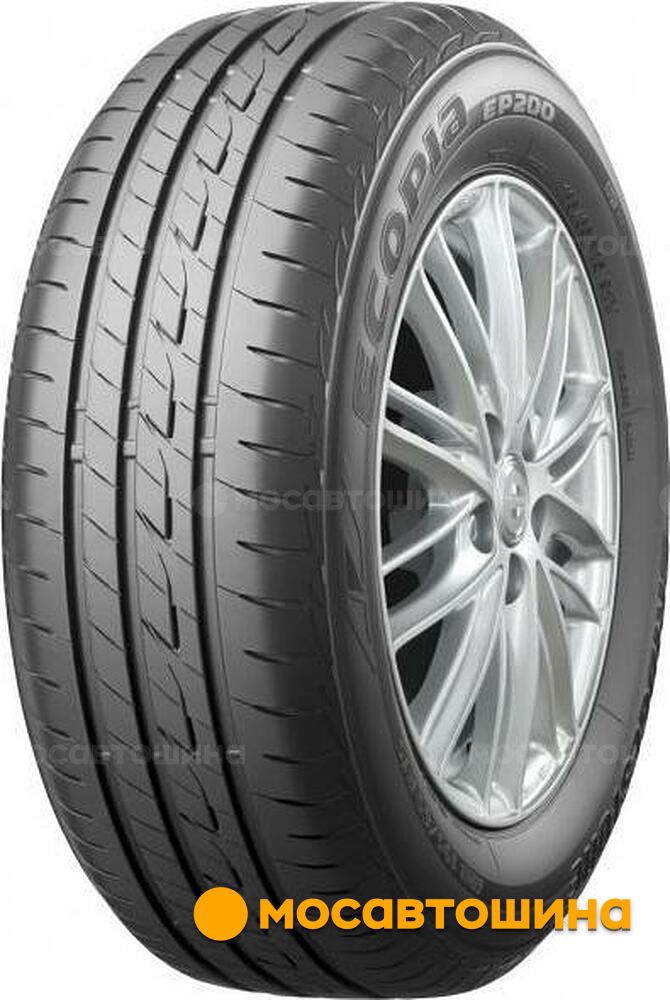
 ТАИЛАНД