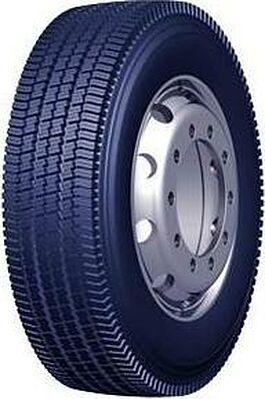
The winter tire LingLong LFW806 is used on the steering axles of trucks. It has proven itself well in operation in difficult winter conditions. When creating this model, the company's specialists tried to take into account all the nuances of operation, and the main emphasis was placed on passability and stability. To obtain the necessary qualities, a unique tread design was used, created using the latest modeling methods.
New additives in the rubber mixture
For improved driving qualities at negative temperatures, the tire should have increased elasticity. For this, the rubber mixture has an increased content of silica, which not only increased the coupling properties at negative temperatures but also accelerated the recovery of the tread. As a result, the loads on the suspension elements decreased, and the comfort of movement increased. Silicon helped increase the resistance of the rubber to wear, which significantly increased the mileage of the tire. Also, the new rubber mixture helped reduce rolling resistance, reducing fuel consumption while driving and increasing stability.
Original tread pattern
The new tread pattern made it possible to obtain maximum traction and coupling characteristics in difficult winter conditions. The special shape of the blocks provides increased coupling with any surface. Four deep channels quickly remove snow and water from the contact zone, ensuring confident control on any surface. Special small channels increase stability on ice and reduce noise while driving. In the shoulder area, there are elongated blocks that increase coupling during maneuvers, preventing lateral skidding. A special rubber ring in the shoulder area increases protection against lateral damage and punctures.
Main features of the LingLong LFW806 tire
- excellent coupling with various road surfaces is provided by a unique tread pattern;
- increased tire mileage was achieved due to the use of new additives in the rubber mixture;
- reduced fuel consumption while driving is ensured by reducing rolling resistance;
- increased coupling during maneuvers is achieved due to the use of elongated blocks in the shoulder area.
 Enlarge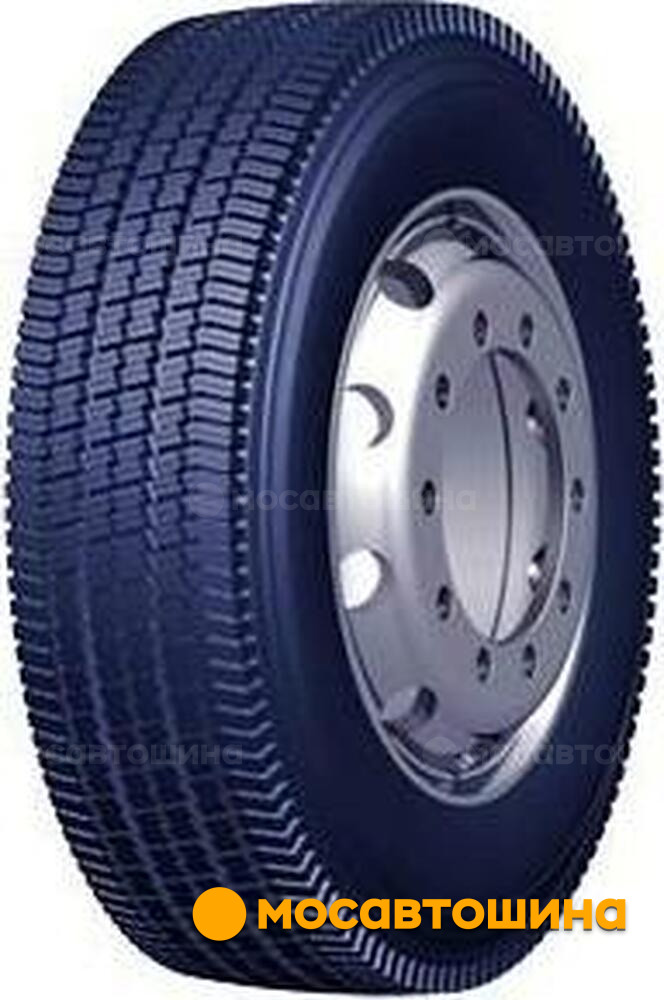
 КИТАЙ
КИТАЙ