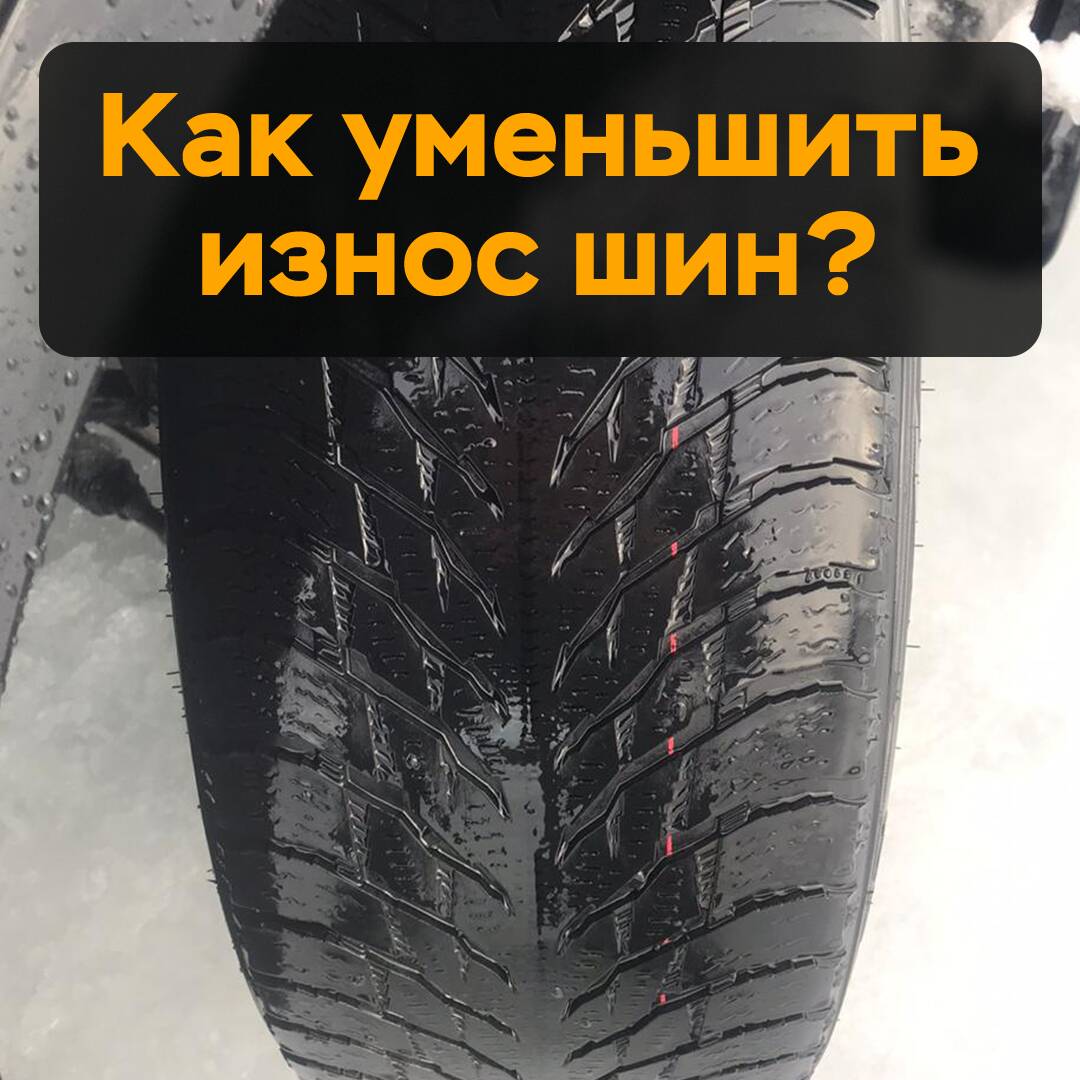
How to reduce tire wear?
Annually, specialists from tire manufacturing companies work to ensure that tires last as long as possible.
When choosing tires, you acquire the result of the synergy of engineers' experience and modern technologies in the field of safety. Of course, premium brand tires are a quality product, but all the characteristics embedded in them will only fully manifest with proper operation. Otherwise, the tire will simply not exhaust its resource due to uneven wear.
What is uneven wear? What types of wear exist and how can they be avoided?
Tire wear is a natural process. Tire manufacturers strive to ensure the smallest degradation of their quality characteristics. However, with uneven wear, everything is different.
Uneven wear primarily indicates a violation of storage, operation, or malfunction of the vehicle.
Uneven wear is a section of the tire where part of the tread elements wears out faster than the others.
According to the current traffic rules, a tire is considered unsuitable for operation when at least one wear indicator is reached.
There is a wear limit. Even if the cause is eliminated, the tire will continue to wear unevenly, i.e., the tire must be replaced.
Among all types of uneven and premature wear, the following are the most common.
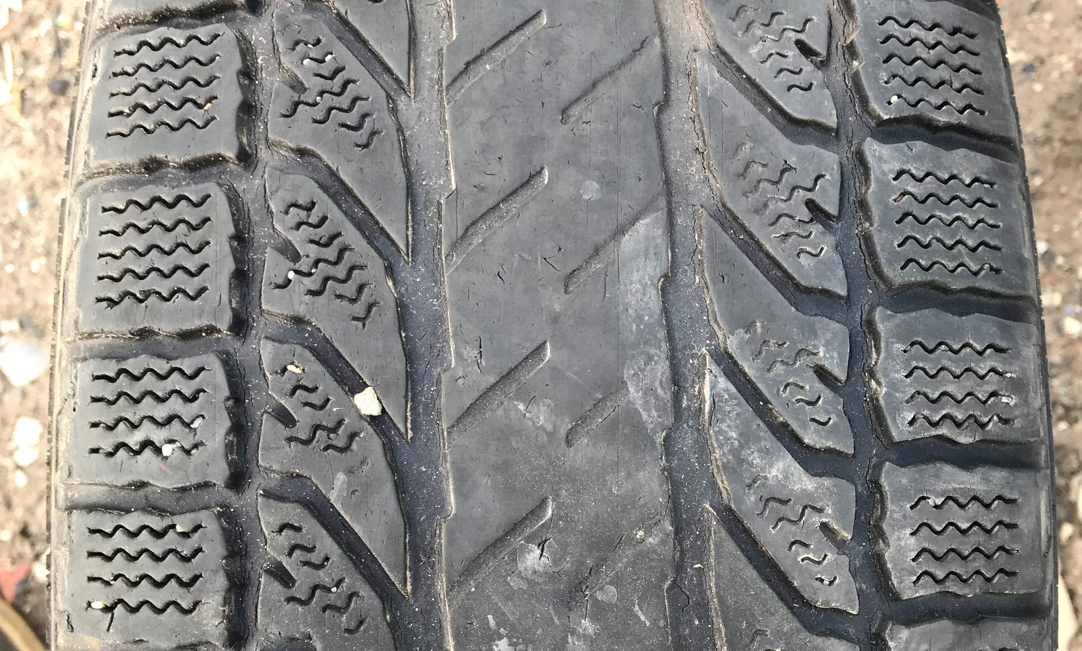
Wear of the central part of the tread
The most common type of wear. Cause: excessive pressure.
Many car owners do not monitor the pressure in the tires. In vain! The fact is that the full potential of the tire is revealed only with the correctly adjusted pressure.
Excessive pressure reduces the contact patch, reducing handling and braking characteristics. Due to increased pressure, the load on the central part of the tread increases, which leads to more intense wear.
How to avoid this?
To avoid wear of the central part of the tread, regularly check the pressure and follow the recommendations of your vehicle's manufacturer. Consider the pressure in the tires during partial or full loading of the vehicle. Often they differ.
Lately, increased wear of the central part of the tread appears even when following the pressure recommendations. Why? Causes: high vehicle speed over long distances and the tire's inability to withstand centrifugal forces. This is often found in tires with a wide profile.
Wear of both shoulder zones of the tread.
First, let's consider the case with more intense wear of both shoulder zones. This type of wear, like the central part of the tread, is directly related to pressure.
Insufficient pressure during operation leads to an unstable contact patch of the tire with the road and increased load on the shoulder zones. The central part of the tread is literally pushed in. In addition to reducing the contact patch, this leads to increased fuel consumption.
Furthermore, insufficient pressure in the tire leads to excessive heating of the sidewalls with subsequent destruction of the sealing layer. The result: the pressure in the tire gradually or sharply decreases, depending on the degree of damage.
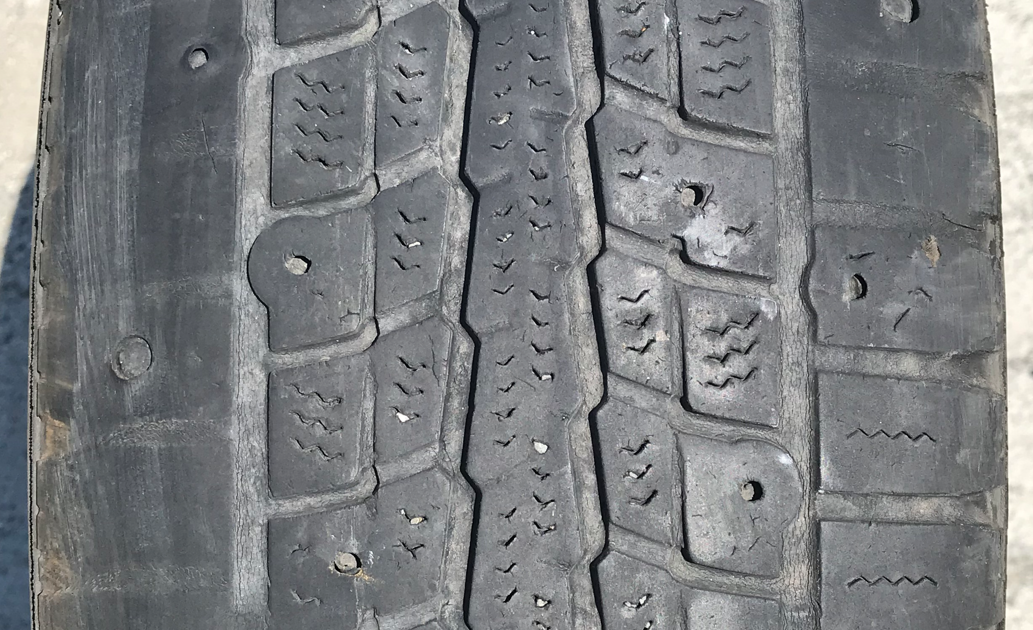
Wear of one shoulder
Cause of wear of one shoulder: incorrect wheel alignment setting.
Proper wheel alignment setting is responsible for the stability of the contact patch at different loads and vehicle speeds. During operation, the wheels experience significant stress; they regularly hit road bumps. Over time, the wheel alignment angle becomes distorted, resulting in uneven tire wear.
Wheels with incorrect alignment settings will operate as if they are on a smooth but constant turn. This directly affects handling. You may also feel the car being pulled to the side.
Wear of one shoulder can be noticed by increased fuel consumption.
With incorrect wheel alignment, the wheels resist rolling more and consume more energy.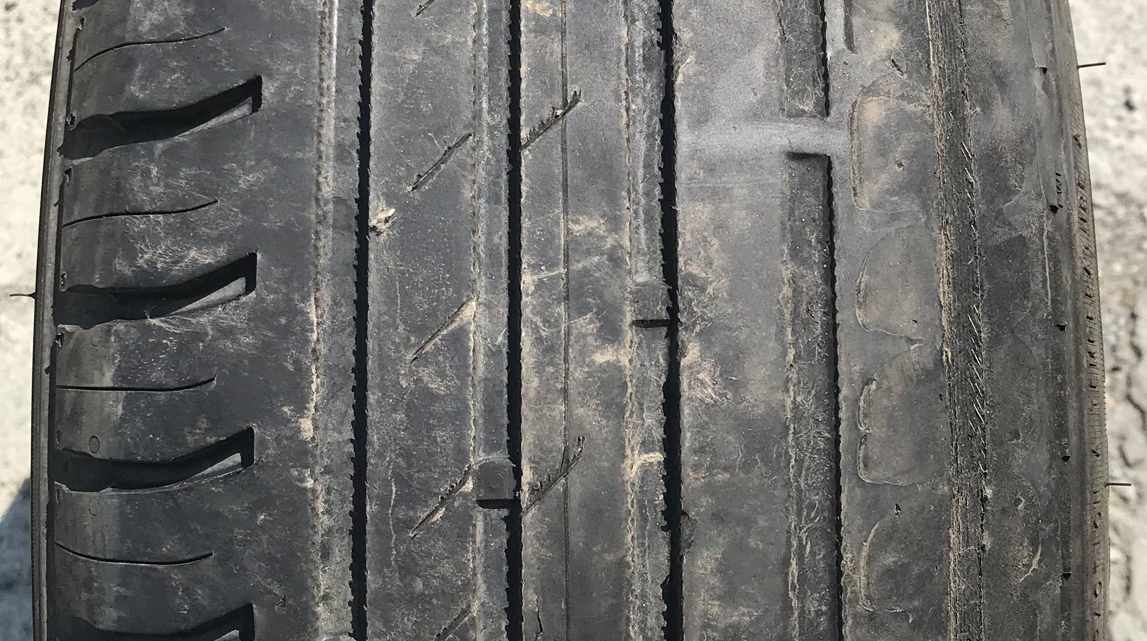
How to avoid this?
Regularly perform a visual inspection of your tires. If you notice more intense and uneven wear of one of the shoulder zones, contact the service for wheel alignment checking. This will ensure road safety and exclude premature tire failure.
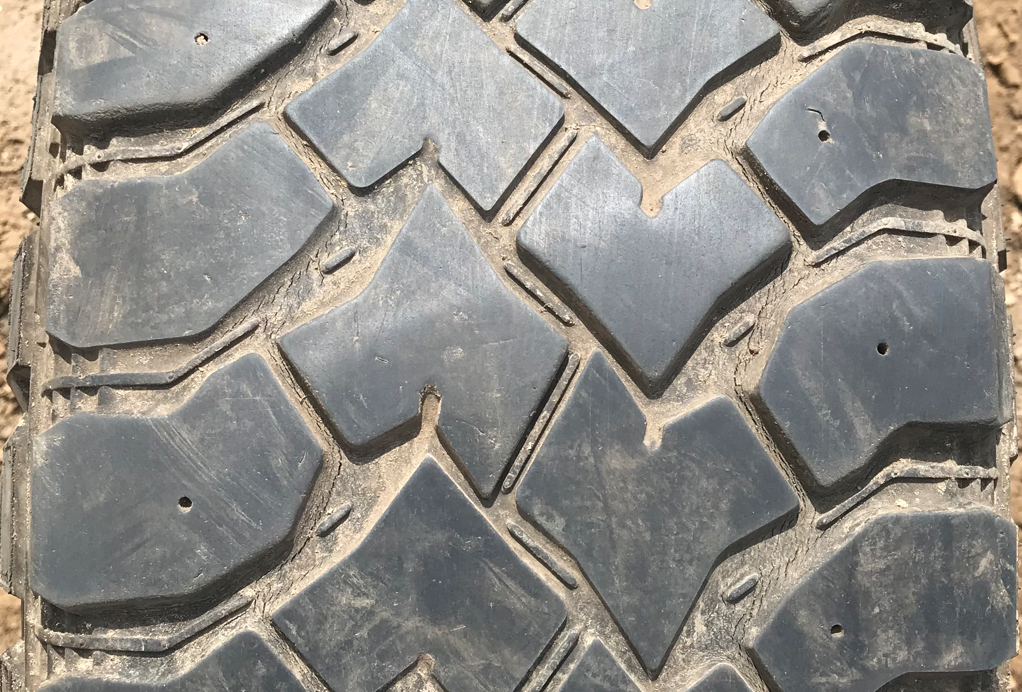
Diagonal or wavy wear of the tread
This type of uneven wear is less common. It is directly related to improper vehicle operation – malfunction of suspension elements or wheel imbalance.
Cause: the wheel is in contact with the road intermittently, literally jumping over some tread elements.
Operating a vehicle with diagonal wear will inevitably lead to premature tire failure. This is dangerous because the contact patch, and therefore control of the vehicle, is unstable.
How to avoid this?
Pay attention to steering wheel vibrations. Even the slightest oscillations indicate a problem. When detecting signs of vibration, contact a service center to identify and fix the issues.
Perform regular tire rotation, i.e., swap their positions. This will contribute to more even wear of the tires between the axles.
Driver's memo
* Remember: effective tire operation is only possible with your active participation.
* Follow the recommended pressure.
* Regularly inspect tires for uneven wear.
* Trust tire mounting work only to a certified tire center.