
-
 Enlarge
 Toyo Proxes NE
Description Toyo Proxes NE
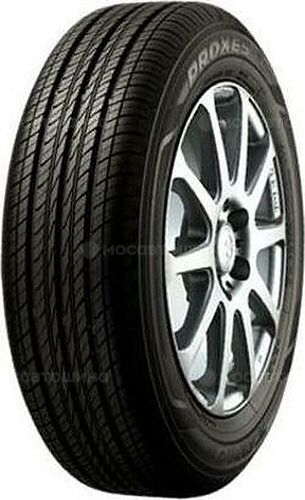
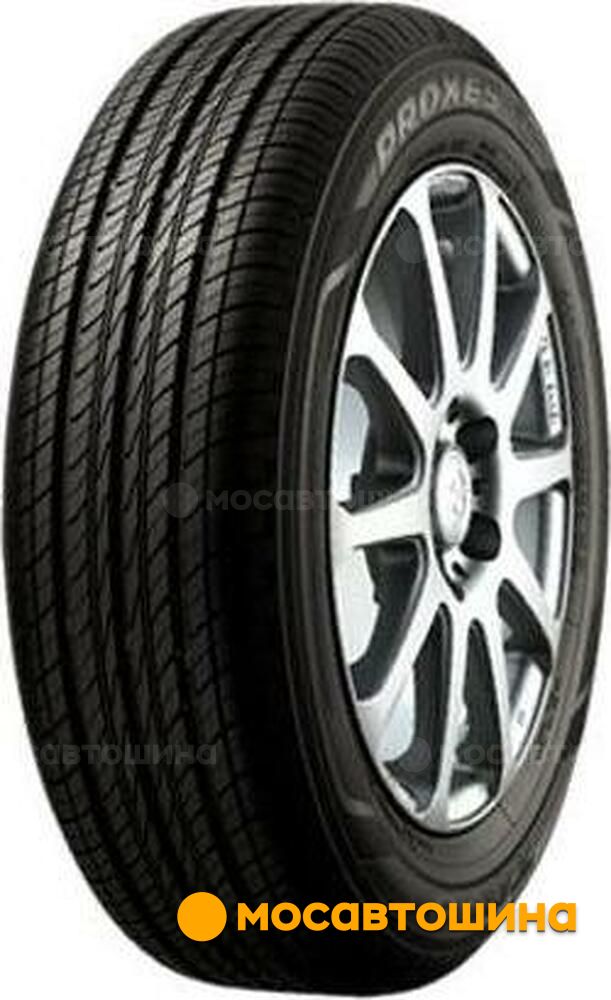
Toyo Proxes NE – a summer tire for a range of passenger vehicles, including electric cars. Its specificity is the use of secondary raw materials in its production, which makes the model stand out for its environmental friendliness. Among its characteristics, it is worth highlighting the reduced rolling resistance, which is particularly relevant for electric vehicles, reliable traction on wet roads, and even wear of the tread through pressure distribution across all points of the contact zone.
The multilayer carcass features a cord made from a special polyester fiber called Ecocircle, which is the result of secondary recycling. It contributes, in combination with the specific design of the tread layer, to reducing rolling resistance and increasing resistance to mechanical stress. Therefore, the tire is effective not only on conventional vehicles but also on electric cars, whose weight significantly exceeds that of ordinary ICE vehicles.
The tread has several rib structures that provide high precision steering at various speed modes. The main role in this function is played by the solid element in the center, which is complemented by segmented ribs in the middle zone and the shoulder area, between which stiffness bridges are located. These small elements guarantee the preservation of the block shape even under intense loads, thus maintaining the efficiency of the working properties.
The water drainage system, represented by deep circumferential grooves and a network of smaller grooves, also plays a significant role. Due to its development, it can quickly dry the contact zone, maintaining the strength of the tire's fixation on the road surface during rain. This significantly increases the level of driving safety, maintaining control over the vehicle.
Main features of Toyo Proxes NE:
- use on passenger vehicles, including those running on electricity;
- use of secondary raw materials in production;
- high resistance to deformation and local damage due to the reinforced carcass;
- improved handling at high speeds due to the rib structure of the tread;
- minimization of rolling resistance, which has resulted in reduced energy consumption by engines