
-
 Enlarge
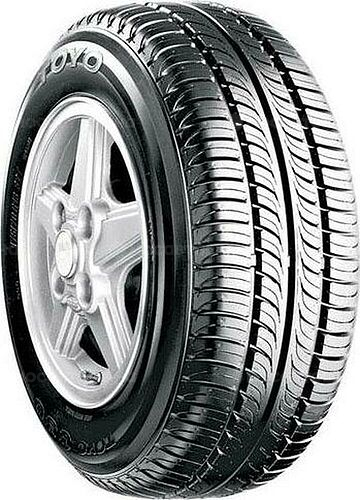
 Toyo 330
Description Toyo 330
The Toyo 330 summer tire is the result of a deep modernization of the 300 model, which it replaced. The fate of the novelty in the domestic market initially developed not quite successfully, since our roads turned out to be too uneven for it. The result of this was fairly large-scale changes in the design of this model, which made it possible to improve, in addition to strength and reliability, a number of other no less important operational properties.
Reinforced carcass
Currently, this model is offered on our market in its newer version, which differs from the initial version with a reinforced carcass structure. It has a two-layer breaker made entirely of nylon cord. This material, despite its small weight, is characterized by high mechanical strength. In the form of a dense cord, it is also distinguished by high resistance to dynamic deformation, which positively affected the stability and controllability at high speed, resistance to punctures and cuts, as well as uneven wear.
Original S-shaped tread design
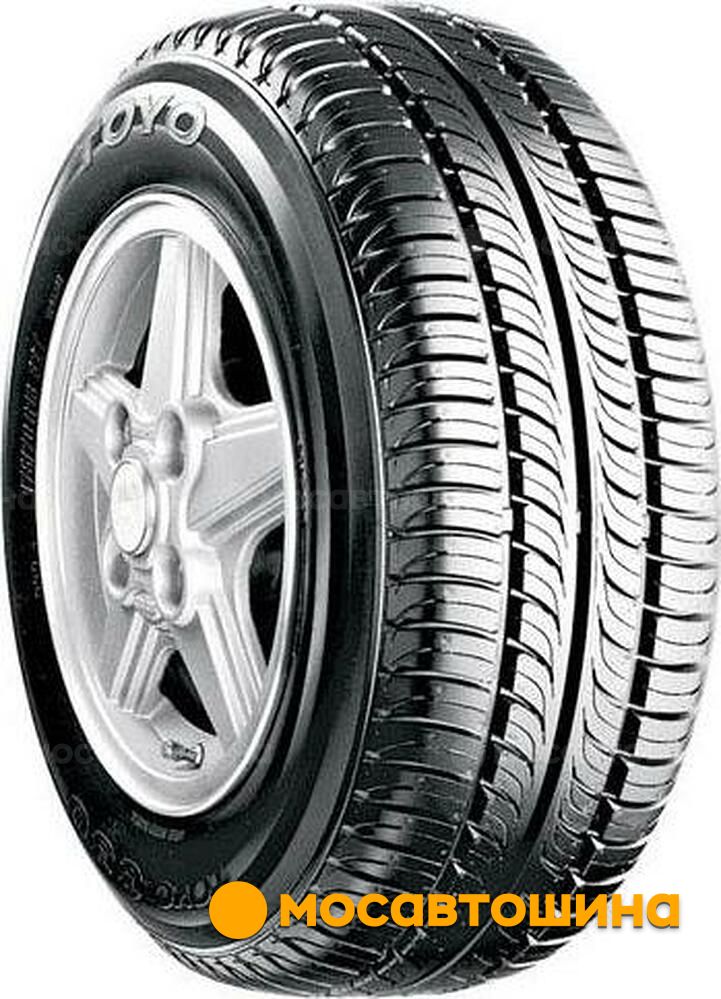
Directly above the rigid breaker is the tread, which in this model is characterized by an original S-shaped design. Its non-ordinariness lies in the presence of only four longitudinal ribs, each of which, due to this feature, in addition to a seamless structure, is distinguished by massive sizes. One of the advantages of this design is increased stability and responsiveness of handling, which simplifies the process of controlling the trajectory of the vehicle's movement. At the same time, due to the S-shaped arrangement of the tread elements, the developers were able to increase the size of the contact patch, which led to an improvement in traction properties.
Main features of the Toyo 330 tire
- a two-layer breaker made of nylon cord increases reliability, improves handling and responsiveness, especially at high speeds;
- the original S-shaped tread pattern is characterized by increased contact patch size, high resistance to uneven wear and low noise level;
- three wide longitudinal drainage grooves in combination with transverse channels of curved shape improve resistance to aquaplaning.