Traction properties on wet and dry asphalt Handling on wet asphalt Comfort
price
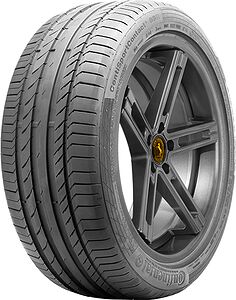
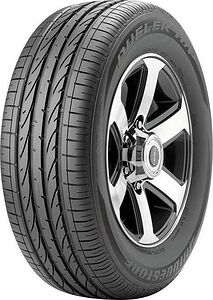
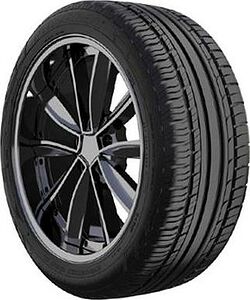
Beautiful tires for fast and comfortable driving.
The test leaders with a minimal gap from the closest competitors are determined by a slightly more successful balance of consumer qualities, and first of all - beautiful coupling properties on wet asphalt. Lovers of active driving will be delighted with soft transitions into skidding, practically always leaving the possibility of maintaining control over the car. On dry asphalt, however, skidding sometimes becomes excessively sweeping (fifth place on the track), but there are no problems with skid control here either. The comfort is also at a high level - the tires are quiet and soft. And on dirt, the "high-speed" tread of these tires provides an acceptable grip.
average handling performance on dry asphalt insufficient resistance to aquaplaning
We recommend these to those looking for safe and comfortable tires on the Volkswagen Touareg or Audi Q7. But for Porsche, it's better to choose other tires that are more suitable for the car's pronounced sporty character.
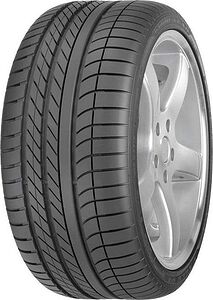
Goodyear tires are traditionally strong on wet asphalt - and this model is no exception: the shortest braking distance! The behavior of the car on the "wet" handling track was also liked. However, aquaplaning on "deep water" starts early. Most likely, the reason is the insufficient width of the longitudinal grooves of the tread. On dry pavement, the tires are better suited to longitudinal loads than to transverse ones: skidding on the handling track starts earlier than on Michelin or Continental tires. At the same time, the zone of insensitivity is slightly expanded, which is why even when driving straight, the driver may experience some tension. However, the smoothness of the ride is simply excellent, and these tires are also very quiet.
Dry handling and stability high aquaplaning resistance lateral handling on wet asphalt
passability average comfort indicators
Beautiful tires for those who want to get the most pleasure from dynamic driving on dry asphalt.
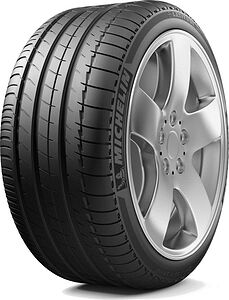
The car on the "dry" handling track responds academically accurately to steering and traction actions, demonstrating an ideal balance of understeer and oversteer. On wet asphalt - wonderful grip properties in the transverse direction, but in terms of perceived longitudinal loads, the tires concede to half of the competitors: the braking distance is more than four meters longer than, for example, on Goodyear tires. However, on "big water", Michelin tires had no equal. The comfort ratings are moderate, and it's better not to leave the asphalt without extreme necessity.
Tire friction properties on dry and wet asphalt Braking stability on wet asphalt.
average handling performance on dry asphalt average ride smoothness
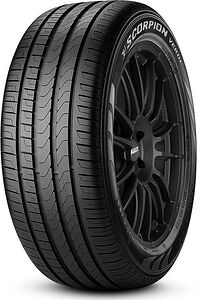
Having won in the "democratic" dimension of 215/65R16, the tires performed well against the background of high-speed top models. Good braking properties on wet asphalt are backed up by good handling manners on the track. Slippages are small, and the driver always feels the edge beyond which it is better not to go. On dry asphalt, a tendency to skid prevented them from showing the best time. Curiously, with these tires, the reactive force on the steering wheel has noticeably increased. Comfort is at a medium level, and on seams and potholes - quite harsh blows. On sand - the best traction properties after Hankook tires.
High aquaplaning resistance handling on dry asphalt.
Insufficient ride smoothness high rolling resistance
On both dry and wet asphalt, the lag in coupling properties from the leaders can only be recorded with the help of special equipment. And on the handling tracks, Porsche behaves very confidently, except that the transitions to skidding occur a bit sharper than on Michelin or Continental tires. Everything is in order with resistance to aquaplaning, as well as with "acoustics". And only the smoothness of the ride leaves much to be desired. Significant lag behind the leaders is noted only during tests for rolling resistance - here heavy Japanese tires traditionally lose to European competitors.
Traction and handling on wet pavement Traction and handling on dry pavement
off-road capability low ride smoothness
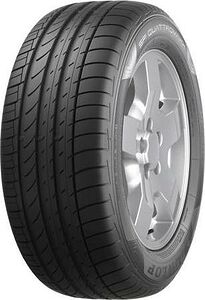
The tread pattern is unlikely to suggest that these are "designer" tires. However, the tires cope with their direct duties quite well. Both on wet and dry asphalt, they have excellent traction properties, which is confirmed by the best times for passing the handling track. Although, for this, you need to work with the steering wheel in advance - especially on dry asphalt, where the Cayenne sometimes reacts to steering with a delay. The main claims are related to the poor traction properties on dirt and the not very high level of comfort: Dunlop tires transmit minor vibrations from the micro-profile of the road surface to the body more strongly than others.
Low rolling resistance traction properties and wet handling reliability
Low aquaplaning resistance medium ride smoothness
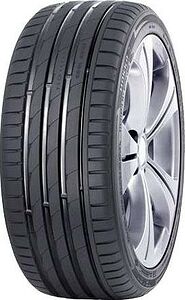
We conducted tests at temperatures ranging from 22 to 28 degrees of heat - in these conditions, the Finnish tires did not shine. But they did not fail either. Confident braking on wet asphalt, minimal skidding on the handling track, but on deep puddles, these tires "float" early. On dry asphalt, unpleasant delays in response to steering actions were noted, which made it difficult to drive the car along the optimal trajectory. On " rough" asphalt, the tires rumble, and on uneven - transmit a slight vibration to the body. However, they roll more easily than others, which will help save a little fuel and slightly improve the dynamic qualities of the car.
Traction properties on dry asphalt Handling on dry asphalt
low aquaplaning resistance handling on wet asphalt low comfort level
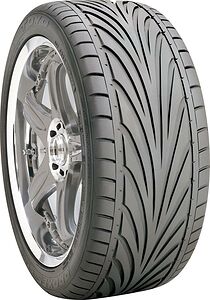
Tires provide good grip on dry asphalt: a winding track can be driven quickly and with pleasure. The start of skidding is felt well, although the skids themselves last a little longer than on the "benchmark" tires Michelin in this type of test. But on a wet surface, Toyo tires concede, and if in terms of track passage time they outpace Korean tires, then in terms of handling convenience, they lose even to them: sharp bursts into prolonged skids. Unpleasant, and with the stability system turned off, it's unsafe. But even more dangerous is the low resistance to aquaplaning. Not surprisingly: the tread pattern depth is only 6.3 mm versus 7-8 mm for competitors. And with comfort, there are problems - the tires are hard and noisy. Not the best option.
Traction properties on wet asphalt handling on wet asphalt
It's unlikely that the owner of a new Porsche would be impressed with these Taiwanese tires, but for those driving five- or six-year-old cars, this could be a decent economy option.
The tires are attractive primarily due to their price - a 275/40R20 tire can be purchased at half the price of a Michelin or Bridgestone of the same size, and there's no talk of a two-fold lag! These tires lag behind the leaders in terms of grip on wet asphalt, but they leave Korean tires behind. At the same time, their resistance to aquaplaning is even higher than that of Nokian or Goodyear tires. Of course, driving on wet asphalt is not very pleasant: if you exceed a certain speed, the car goes into deep skidding. To avoid leaving the track, I had to turn the steering wheel to the limit a couple of times. On dry asphalt, there are fewer problems, although the clarity of reactions is still lacking. Comfort is at a medium level.
Predictable vehicle behaviour on wet asphalt average aquaplaning resistance
Traction properties on wet and dry asphalt low level of comfort high rolling resistance
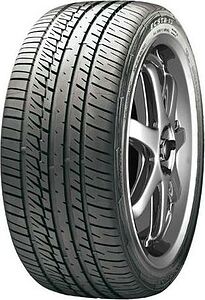
On wet asphalt, skidding starts early, both longitudinally and transversely. But it's comforting that the car's behavior remains predictable. And on puddles, Kumho tires "float" at a relatively high speed. But on dry asphalt, the impact of these tires on handling is negative: the car often falls into deep skids. If you're a little late with correction, you have every chance of ending up off the road. These tires are also not impressive in terms of comfort - they are noisy and stiff. And they roll worse than the others. To put it mildly, there are not many reasons to interest owners of powerful and dynamic all-wheel drive cars.
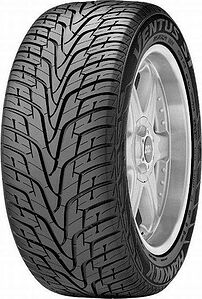
The directional tread looks more symmetrical than the asymmetric tread pattern on other tires, but that's where the advantages end. On wet asphalt, the Hankook tires led to an increase in braking distance from 80 km/h by more than ten meters! And on the handling track, the car was more sliding than driving. The directional tread pattern also performed poorly in aquaplaning resistance tests. And on dry asphalt, little remains of the sports car's sharp reactions, but instead, signs of "split personality" appear: first, the car stands on one radius, and a second later, with the same steering wheel position, it "breaks" and goes into a tighter arc. Unpleasant and unsafe. However, these tires are the only ones in our test with the M+S marking, and on dirt, they do provide good traction. But the Y speed index can be misleading: accelerating on such tires is dangerous not only up to 300, but even up to 150 km/h, especially on wet asphalt.