Michelin Latitude Sport
Tire specifications
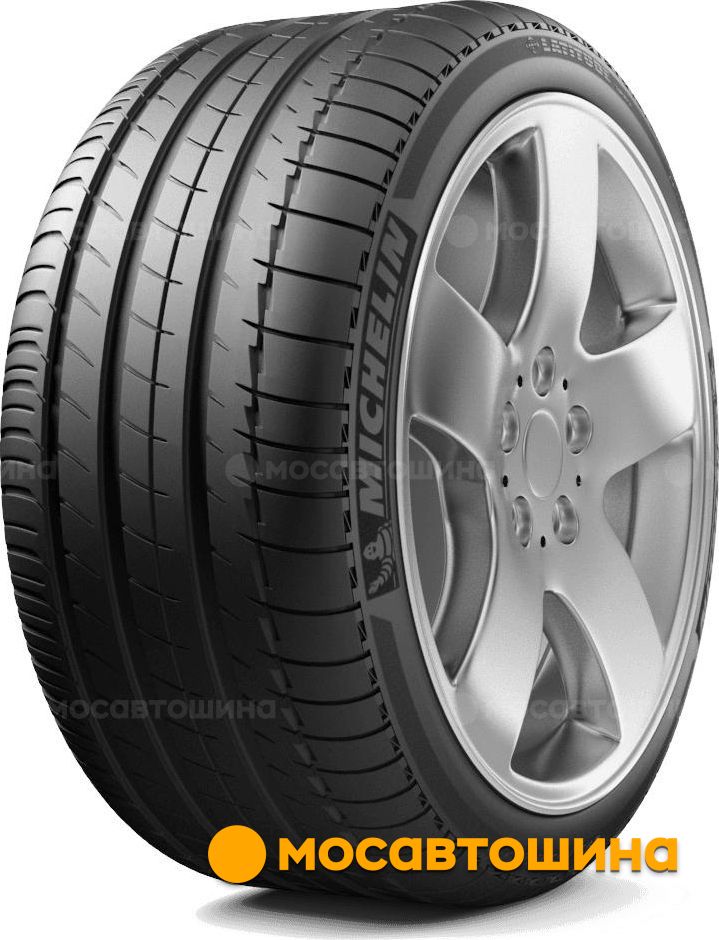
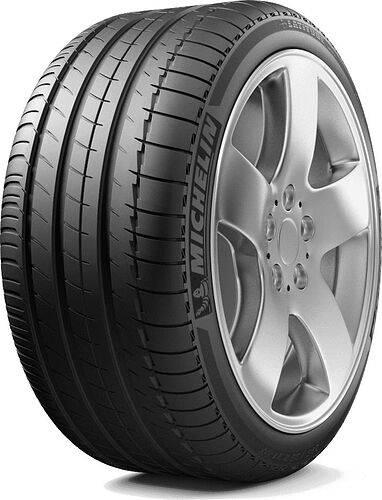
DescriptionDescription Michelin Latitude Sport
The Michelin Latitude Sport summer tire appeared due to the popularity of a new segment of SUVs that can develop high speed and demonstrate excellent handling on asphalt. However, these capabilities can only be realized with the presence of suitable tires. This is the main reason for the appearance of this model.
When developing this tire, the company's specialists used technologies previously applied in motorsports and models for sports cars. Therefore, the composition of the rubber mixture and the design of the tread were borrowed from the very successful sports tire Pilot Sport 2, which can be considered a standard in many ways.
However, the Latitude Sport model cannot be considered a ordinary copy of the Pilot Sport 2. This tire has been significantly modernized. Moreover, we are not just talking about the trivial increase in size and weight, but about much more significant changes in design.
When creating the Michelin Latitude Sport tire, the company's specialists had to solve several difficult tasks. First of all, it was necessary to compensate for the increased centrifugal force due to the greater mass, which causes deformation of the tread. Due to this, the size of the contact patch decreases, which negatively affects the handling characteristics.
To combat this phenomenon, a unique breaker layer was added to the tire design, which is extended into the shoulder zones, and the nylon threads are wound with a variable pitch and at an angle of 0 degrees relative to the axis of rotation. The increase in the area of the breaker layer made it possible to significantly reduce deformation, thereby maximizing the area of the contact patch. The arrangement of the nylon threads with a variable pitch and at an angle of 0 degrees allows for point and effective combat against the non-uniformity of the centrifugal force, which affects different parts of the tread in different ways.
The main features of the Michelin Latitude Sport tire
- A unique nylon breaker layer effectively combats tread deformation that occurs when driving at high speeds;
- Excellent directional stability is provided by the solid and rigid design of the central longitudinal rib;
- The optimized design of the asymmetric tread pattern made it possible to reduce rolling resistance while maintaining other characteristics at a high level.
In stock and to order 6
| Modification | Availability | Price | |
|---|---|---|---|
| Michelin Latitude Sport 235/55 R17 99V | 27 700 ₽ | ||
| Michelin Latitude Sport 255/55 R18 109Y XL | 49 860 ₽ | ||
| Michelin Latitude Sport 275/45 R19 108Y XL | 11 770 ₽ | ||
| Michelin Latitude Sport 275/55 R19 111W | 38 570 ₽ | ||
| Michelin Latitude Sport 275/45 R20 110Y XL | 43 650 ₽ | ||
| Michelin Latitude Sport 295/35 R21 107Y XL | 50 630 ₽ |
Reviews 46
Add a feedback- Dry road
- Wet road
- Course stability
- Comfort
- Silent
- Braking
- Rate
- Aquaplaning
- Speed
- Wearability
- Quality
- Price/performance
- Rate
Factory stock tires, made in France. So far, they have lasted for 6 (!) seasons, yes, worn down below the minimum, but still predictable on dry roads. Newly, this is not just rubber, but a fairy tale for moderately aggressive driving - it handles well on straights, when changing lanes, in high-speed turns and during braking on both wet and dry roads, and is absolutely not prone to aquaplaning. For over 12 years, I have been a loyal
- Vehicle:
- Audi Q5
- Buy again?:
- Definitely yes
- Control on a dry road
- Steering in the wet
- Course stability
- Drive comfort
- Quiet in motion
- Braking efficiency
- Resistant to aquaplaning
- Velocity characteristics
- Wearability
- Quality of production
- Price justifiability
- Rate
Michelin holds the road well if it's well warmed up. It performs well with both a new tread and a nearly worn-out one. Goodyear is too soft, Pirelli is too hard, Continental are good but noisy and have a short lifespan. They are all roughly similar, but you can notice the difference if you try. All other brands are trying to at least be similar or approximate these leaders.
- Vehicle:
- Mercedes-Benz W164 (ML) 63AMG 6.3L 2007-2008
- Control on a dry road
- Steering in the wet
- Course stability
- Drive comfort
- Quiet in motion
- Braking efficiency
- Resistant to aquaplaning
- Velocity characteristics
- Wearability
- Quality of production
- Price justifiability
- Rate
Great tire on dry and wet. 200 km running is as smooth as a rail! I love Michelin so much because they are soft and the sidewalls are great. Honestly, though, the price has become quite rude lately. I'll switch to Hankook.
- Vehicle:
- Land Rover Freelander 2
- Buy again?:
- Most likely
- Control on a dry road
- Steering in the wet
- Course stability
- Drive comfort
- Quiet in motion
- Braking efficiency
- Resistant to aquaplaning
- Velocity characteristics
- Wearability
- Quality of production
- Price justifiability
Tests 1
-
Summer tire test 255/55 R18 3
- Publisher:
- «Авторевю»
- Year:
- 2013
- Dry handling and stability
high aquaplaning resistance
lateral handling on wet asphalt
- passability
average comfort indicators
- Beautiful tires for those who want to get the most pleasure from dynamic driving on dry asphalt.
The car on the "dry" handling track responds academically accurately to steering and traction actions, demonstrating an ideal balance of understeer and oversteer. On wet asphalt - wonderful grip properties in the transverse direction, but in terms of perceived longitudinal loads, the tires concede to half of the competitors: the braking distance is more than four meters longer than, for example, on Goodyear tires. However, on "big water", Michelin tires had no equal. The comfort ratings are moderate, and it's better not to leave the asphalt without extreme necessity.
Score: 8.8