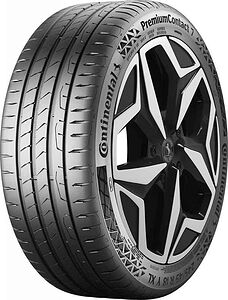
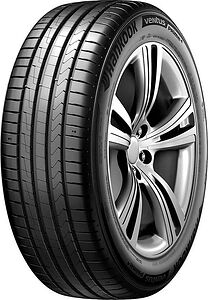
Excellent handling and very short braking distance on dry and wet surfaces
Increased rolling resistance Increased noise level
The Falken tire was able to outperform premium products from Continental, Michelin, and Pirelli in the test thanks to its excellent driving qualities, for which it can be fully forgiven for its somewhat poor fuel economy and slightly increased noise level.
Good handling and short braking distance on dry and wet surfaces Excellent resistance to aquaplaning Good level of comfort, including acoustic
Tires with balanced characteristics and no obvious drawbacks, which work particularly well in terms of handling on wet roads and combine reliable traction with a high level of comfort
Good handling and short braking distance on wet pavement Short braking distance on dry pavement Excellent resistance to lateral aquaplaning Very good level of acoustic comfort
A slight tendency to understeer on dry pavement
Continental tires traditionally demonstrate a good balance of characteristics, but the picture is slightly spoiled by the insufficient steerability on a dry surface
Excellent resistance to longitudinal aquaplaning Very low rolling resistance High driving comfort
Tendency to understeer and relatively long braking distance on dry and wet surfaces
Michelin has a relatively low (but satisfactory) braking efficiency, as well as not the most balanced behavior on dry and wet surfaces, but these minor drawbacks will only be noticeable during aggressive driving and very high loads
Good resistance to lateral aquaplaning High level of comfort
Poor handling and long braking distance on dry and wet surfaces Increased rolling resistance Reduced resistance to longitudinal aquaplaning
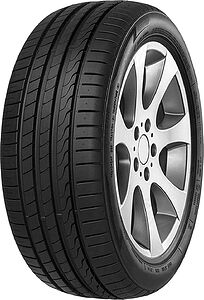
Imperial perform inconsistently, especially on wet surfaces, and given that their braking distance in such conditions was on the verge of what can be considered acceptable, it's unlikely these tires are worthy of recommendation