What are lamellas for in summer tires?
When choosing summer tires, many car owners are confused by the presence of "winter" elements in the tread pattern. A good example is tires with lamellas. Indeed, lamellas that we have already discussed in detail are predominantly characteristic of winter tires, as they are designed to remove the thin water film on ice and improve traction. In this case, the reasons for using lamellas are different.
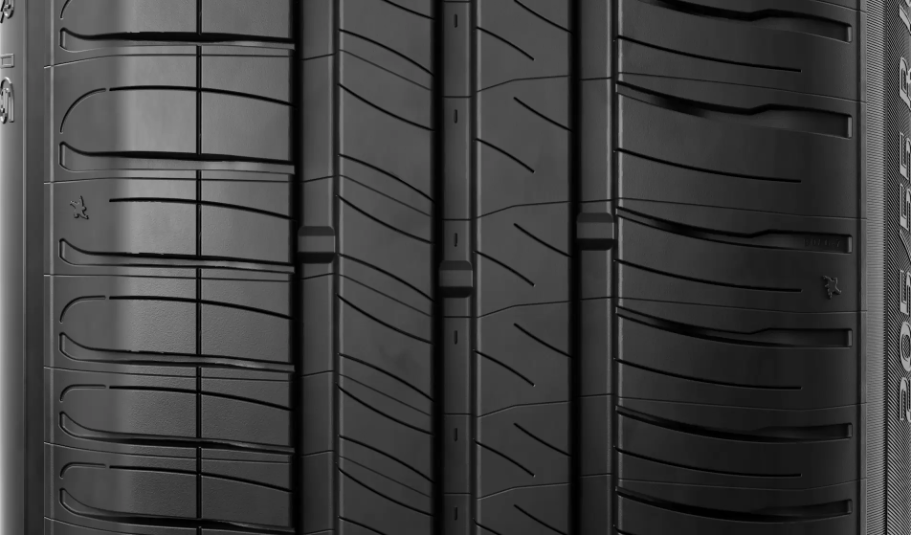
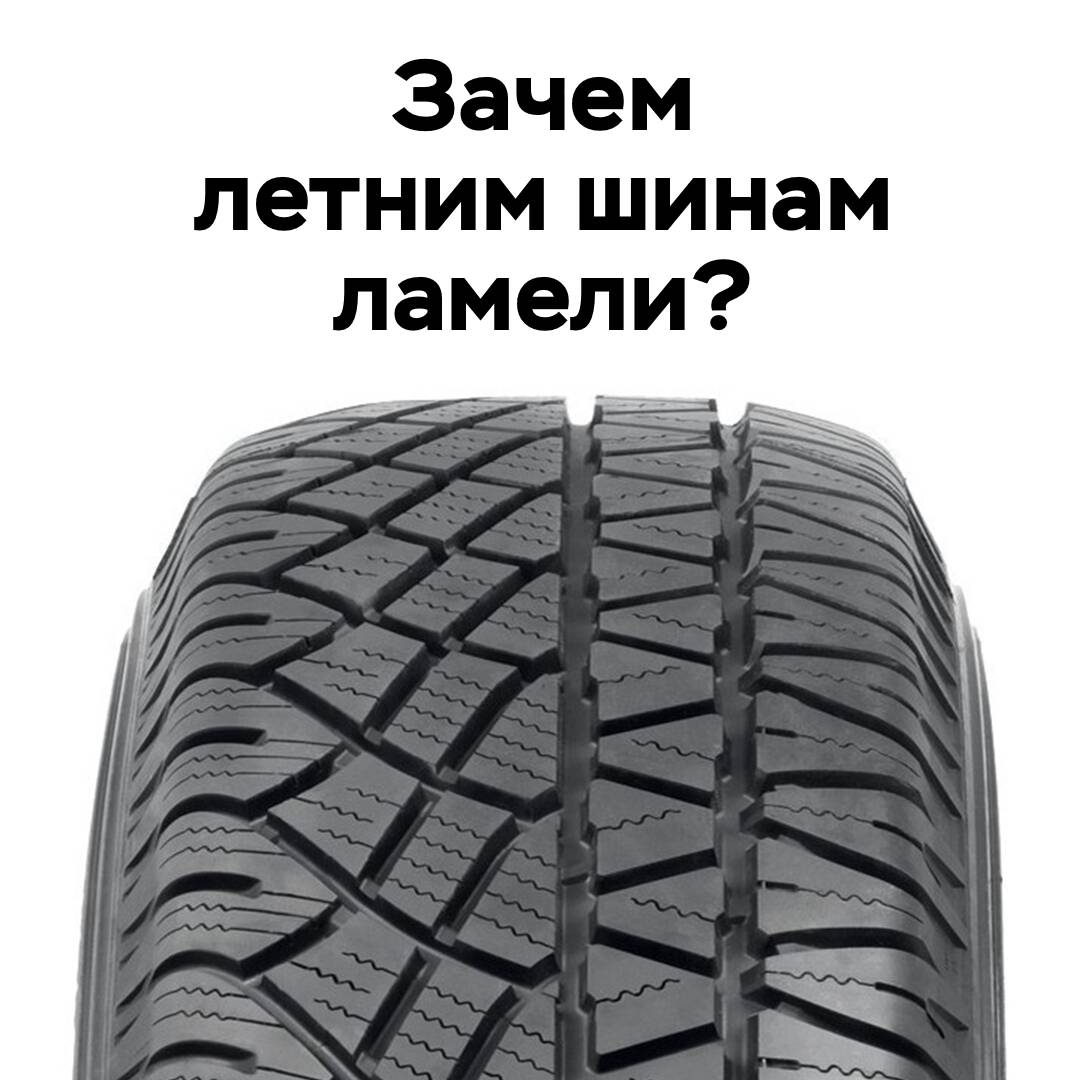
Any tire is always a compromise of characteristics. Summer tires are no exception, and manufacturers often use lamellas, they just visually differ from winter ones in that they represent straight cuts in the blocks, as shown in the figure below. The fact is that to remove water from the contact patch, such a number of lamellas is enough, and considering that summer tires have a tread depth that is usually less than that of winter tires and there is no risk of block breakage due to lamellas, they can be applied even in the simplest "straight" form. A completely different story is when the number of lamellas needs to be preserved or even increased, but the tread depth is higher than that of a regular summer tire. As a rule, this is done in "SUV" segment tires.
A separate note should be made that the presence of lamellas, like in winter tires, does not make summer tires suitable for winter conditions. Despite the similar element in the form of lamellas, the fact remains unchanged that winter and summer tires have fundamentally different rubber compounds, and each type of tire should be used in the season for which it is intended.