
Important criteria for storing tires. Part 2
We continue the topic of proper tire storage. Let's recall that storage in accordance with all requirements is the key to preserving the characteristics and long service life of your tires. Nevertheless, it's not malicious intent, but rather a lack of knowledge about important storage criteria that can lead to significant degradation of characteristics and premature tire failure. Today, we'll take a closer look at the temperature conditions that must be observed for tire storage.
Tires, at first glance, seem like rubber circles that are not afraid of either precipitation or temperature effects. This is not the case. We're talking primarily about long-term effects. While tires are mounted on wheels, under pressure, and often in motion when on a vehicle, seasonal storage is a completely different story. Tires are often stored without wheels, and consequently, the inner area is exposed. The sealing layer is not subject to any harmful external influence, which cannot be said about the layer of sealant found in some tires with this technology. This layer is prone to dust and foreign objects sticking to it, which can have consequences during operation.
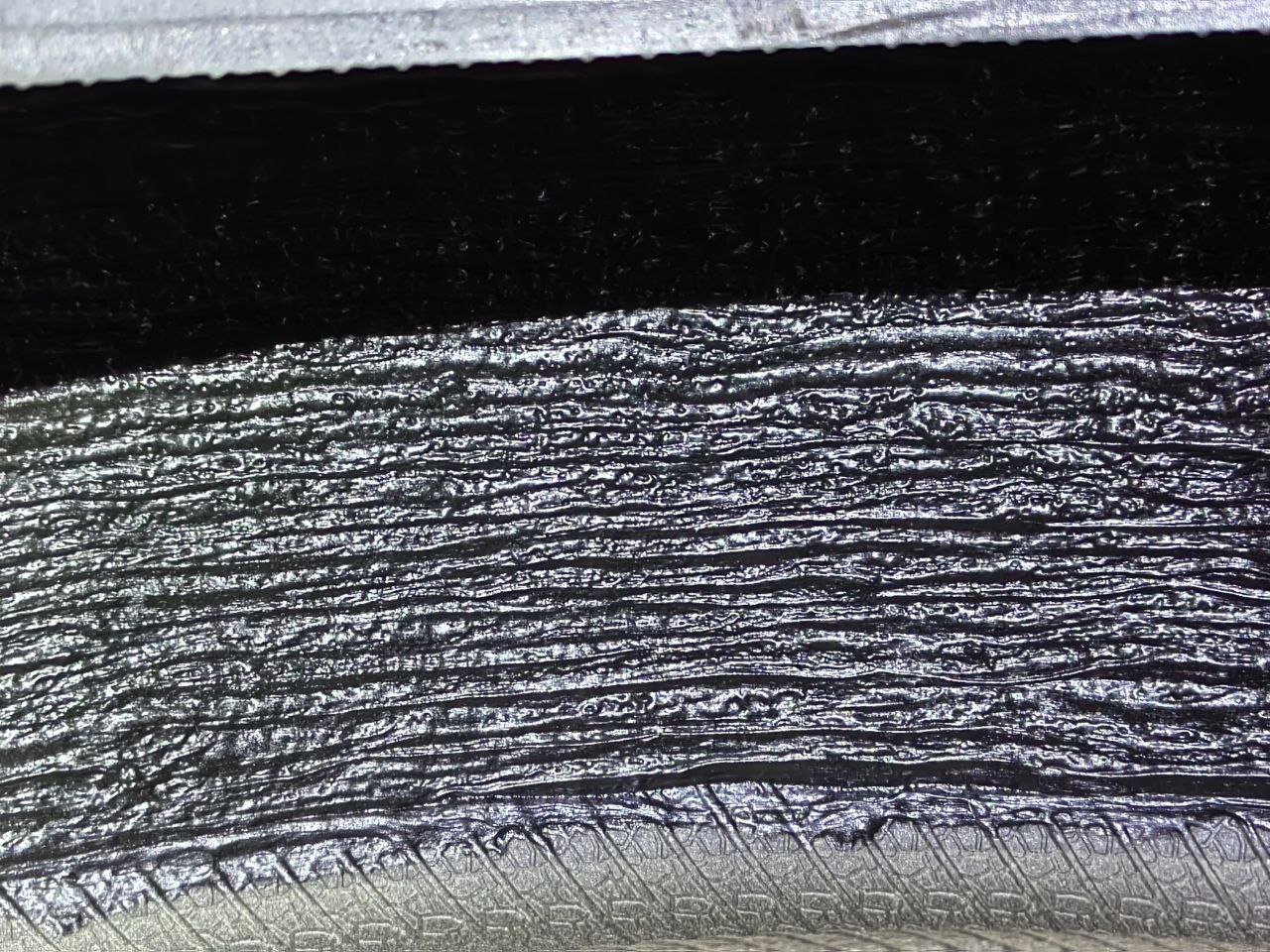
However, it's essential to note that the impact of the environment on tires during storage and the impact of these same factors during operation are not the same. This is why it's crucial to store tires in a dark, well-ventilated area. Ventilation is important because a tire can essentially dry out. Of course, the rubber mixture contains special additives that prevent aging, but these can be destroyed by "greenhouse" conditions. It's also interesting that during seasonal mounting, the tire fitter carefully packs the tires in bags and ties them in a knot before putting them in the salon of your car. This is done so that you can transport your tires to the storage location without any issues and remove them from the bags. But the vast majority of drivers send their tires to storage in exactly this condition.
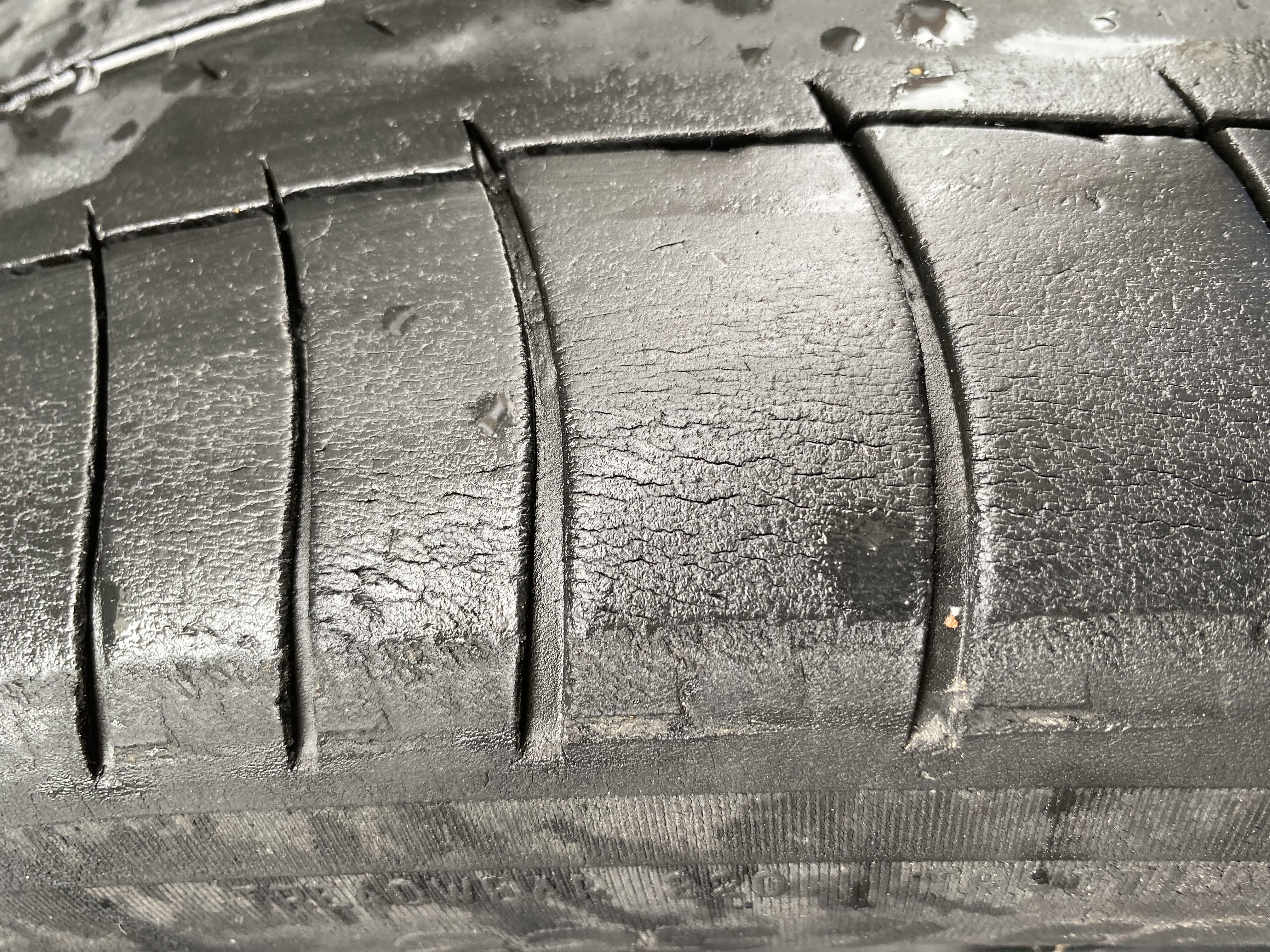
Of course, this should not be done. It's precisely in these conditions that tires suffer the most damage. The rubber mixture essentially dries out and becomes covered with a network of microcracks. Microcracks on the sidewalls are dangerous in terms of maintaining pressure and withstanding impacts. On the tread, there's another threat - chipping of the tread and accelerated wear. That's why tires shouldn't be stored just anywhere. If you don't have a suitable place, you can use the seasonal storage service.