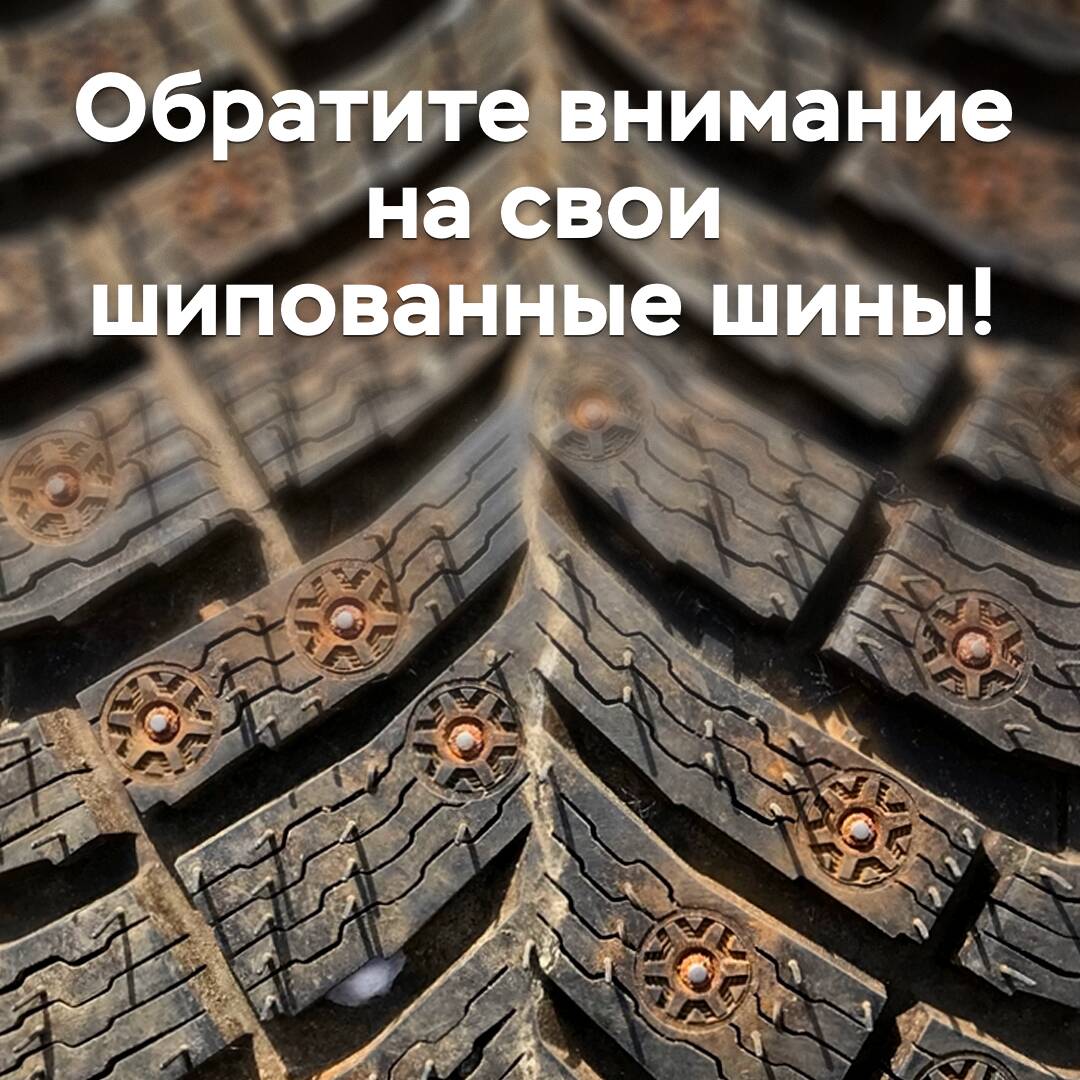
Note your studded tires
Tires are our safety on the roads. Their condition determines how well they can provide safe handling.
When operating studded winter tires, it's essential to remember factors such as proper break-in and overall operation, as the studs in the tread are foreign elements that are constantly under pressure and lateral loads. Today, we'd like to draw your attention to another crucial factor that hasn't been as relevant until recently.
Most manufacturers use aluminum when producing stud casings, but lately, a well-known brand and several budget brands have started reconsidering steel as a material for the casing. Undoubtedly, steel is more reliable, but due to legislative weight restrictions on studs, a transition from one material to another, if it happens, will not be rapid.
Nevertheless, pay attention to the material of your studs' casing. If it's steel, don't forget about the natural corrosion of this material. If you're buying new tires, they shouldn't have any signs of rust in the stud seating area. If such signs are present, it indicates a violation of storage rules for tires.
In turn, don't forget about proper tire operation. In case of prolonged outdoor parking, try to avoid flooded areas. Also, don't forget about proper tire storage during the off-season. Tires should be stored in a dry, well-ventilated room. Also, keep in mind that storing tires in bags is harmful not only to the studs but also to the tires themselves.