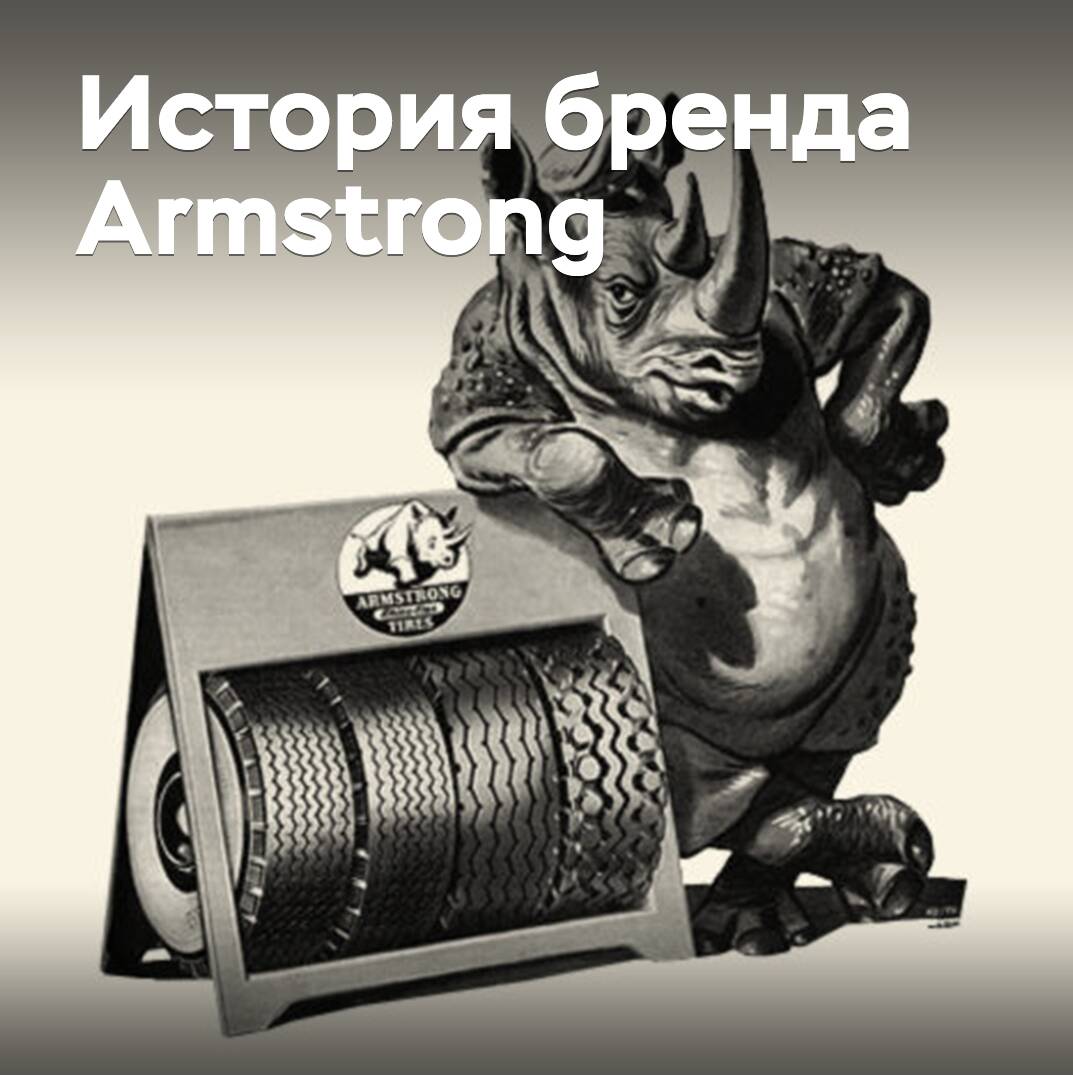
History of the Armstrong brand
The history of the Armstrong Rubber Company began in 1912, when a Scotsman, George Armstrong, realized that with Henry Ford's Model T significantly increasing demand for tires, it was necessary to satisfy it. The company was founded in New Jersey, and at the initial stage, Armstrong made a deal with one of the tire manufacturers to launch a new line of tires, which he named after himself, and in 1918, the successful entrepreneur decided it was time to start producing tires himself.
A new plant in New Jersey also proved to be a successful project, and by 1922, orders had exceeded its capabilities, so production was moved to West Haven, Connecticut. The 1920s were a period of rapid development of American industry, and the tire industry was no exception, however, the stock market crash of 1929 led to catastrophic consequences, and tire manufacturers had to fight for their survival.
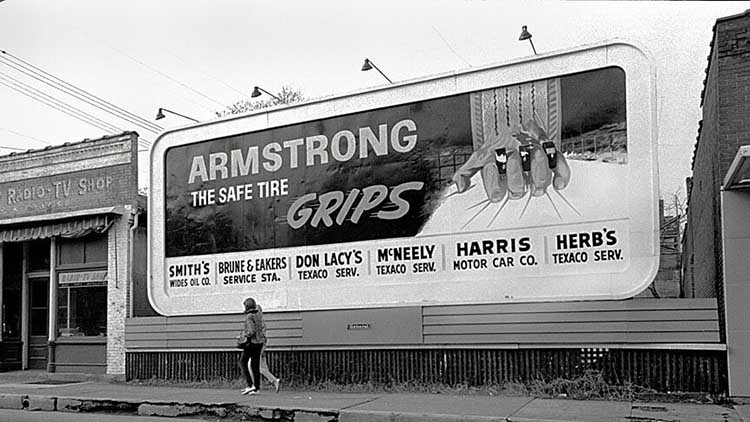
At that time, Armstrong had a heart attack, and although it was not particularly serious, doctors advised him to step aside from the business, so he decided to sell the tire business. The buyers were two Armstrong managers, James Walsh and Frederick McLean, who, despite the extremely difficult economic situation, gathered all the funds they could find, went into debt, and mortgaged their homes. At the time, no one knew if such a risk would pay off, but the first year as new owners, they finished with a profit, and then, in 1936, the rubber workers' union announced a strike, stopping the work of leading tire manufacturers, and the Sears, Roebuck & Company, which sold tires across the country, suddenly faced a shortage of supplies. Walsh and McLean felt that a unique opportunity had opened up before them, immediately contacted Sears, and agreed on supplies with the company, which would eventually become their largest client for decades.
Soon, the Armstrong plant was working in three shifts, producing five thousand tires a day. One of the visitors described what the work at the enterprise looked like, saying, "it was like Dante's hell, but it was hotter and noisier, and it seemed that giants, stripped to the waist, sweating, cursing, and shouting, were working."
World War II contributed to the end of the Great Depression, and due to new army needs, the tire plant began producing, for example, inflatable tanks and guns, which were supposed to deceive the enemy. In addition, there was, of course, a sharp need for tires, but the supply of rubber from plantations in Asia was almost stopped by the Japanese. At the same time, some amount of raw materials was still being delivered, and Armstrong and other companies began to explore the possibility of using a synthetic analogue of natural rubber, which eventually led to a revolution in the tire industry (the first industrial synthetic rubber was obtained by Soviet chemist Sergei Lebedev in 1927).
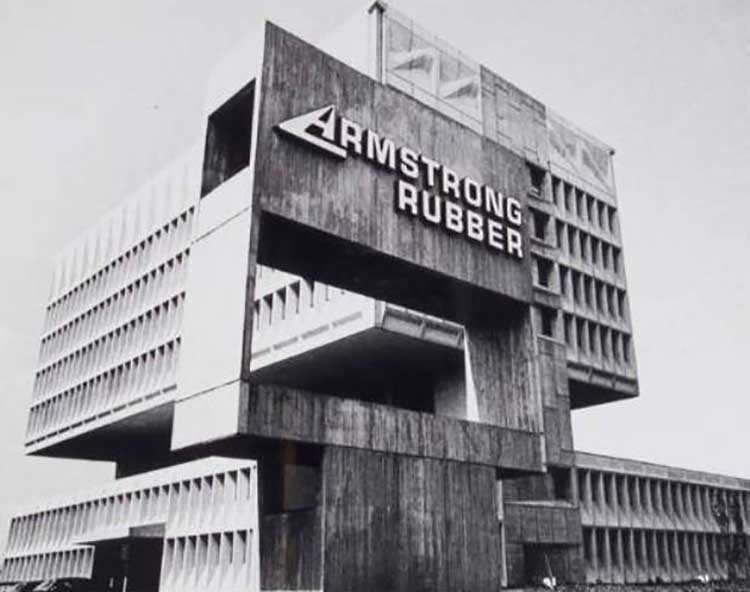
By the 1960s, Sears needed a tire plant on the west coast of the United States, and Armstrong decided to build it in California. At the same time, Sears also began buying tires from Michelin, and Armstrong's position began to deteriorate. However, in 1969, the company's sales exceeded $201 million, increasing by 15% at once, which was the most significant increase in its history. At that time, Armstrong was the fifth-largest tire manufacturer in the world, and the construction of a new headquarters in the brutalist style in New Haven, Connecticut, was begun.
However, in 1973, an oil crisis began in the Middle East, which affected the tire industry, among other things, and as a result, Armstrong was unable to compete with other manufacturers, and the company was first bought by Armtek Corporation, and in 1988 by the Italian Pirelli.
Pirelli continued to produce tires under the popular brand among Americans, but in the mid-1990s, it stopped doing so, and in 2012, the rights to use the brand were purchased by the large trading company Zafco from the UAE, which owns them to this day.
Based on materials from West Haven Voice.